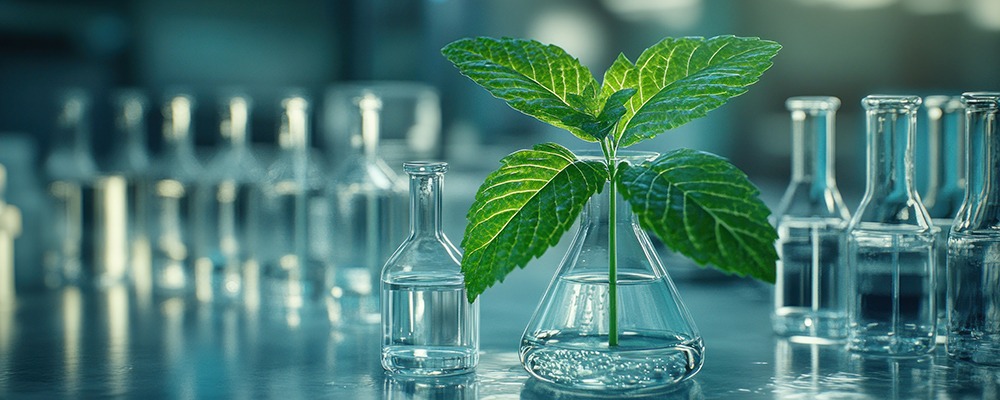
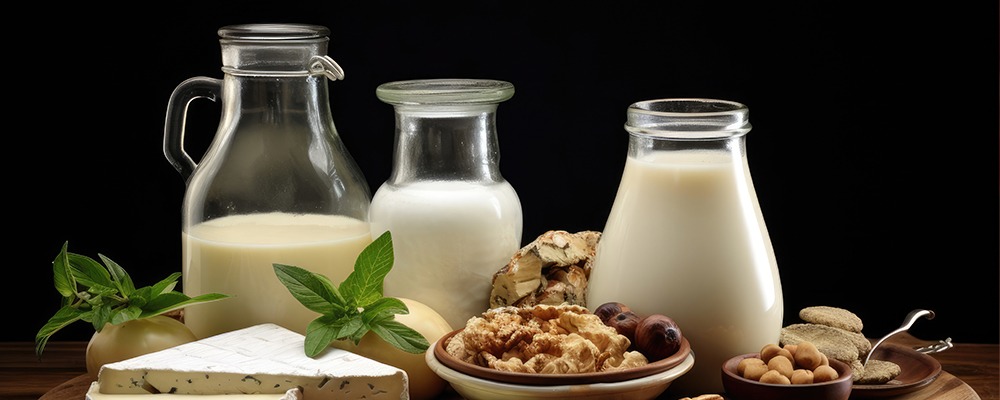
The world of dairy is changing faster than ever before. From lactose-free milk to protein-enriched yoghurts, the traditional image of dairy as a simple source of calcium is being reshaped by science, technology, and changing consumer preferences. At the heart of this transformation lies one of nature’s most powerful tools enzymes. These remarkable biological catalysts are enabling the dairy industry to create functional products that not only cater to dietary restrictions but also deliver enhanced nutritional value, improved digestibility, and superior sensory qualities.
The Rise of Functional Dairy
Modern consumers are increasingly seeking foods that offer more than basic nutrition. Health, convenience, and functionality are the new pillars driving innovation in the dairy sector. Functional dairy refers to products fortified with bioactive components, enriched with nutrients, or processed to provide specific health benefits, such as improved digestion, immunity, or energy metabolism.
While dairy has always been considered nutritious, the modern demand for personalised nutrition and dietary inclusivity has pushed manufacturers to rethink their processes. Lactose intolerance, vegan preferences, and the growing focus on gut health have made it essential to innovate without compromising on taste or texture. This is where enzymes have proven to be game-changers.
Beyond Lactose Removal: The Expanding Role of Enzymes
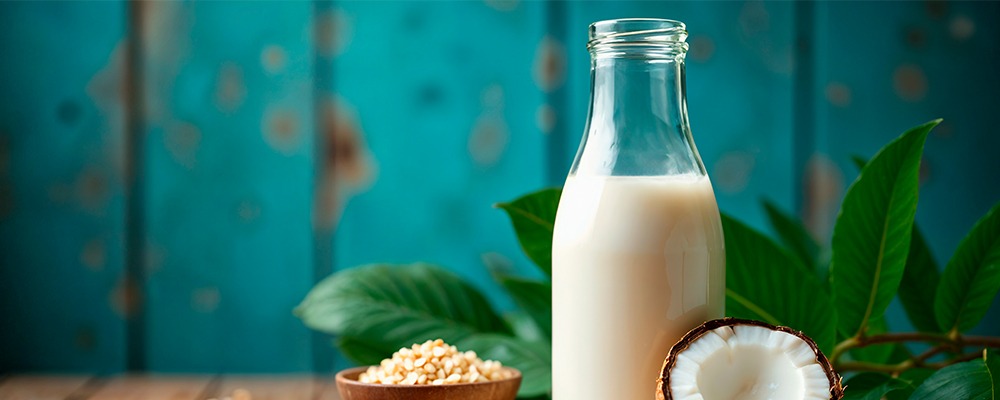
For decades, lactase has been used to hydrolyse lactose into glucose and galactose, creating lactose-free or lactose-reduced milk suitable for those with intolerance. However, enzyme technology has evolved far beyond this single function. Today, enzymes are used in nearly every stage of dairy processing, shaping the way milk, yoghurt, cheese, and whey-based beverages are made.
Proteases, for example, break down milk proteins to produce peptides with bioactive properties. These peptides can have antioxidant, antimicrobial, or even antihypertensive effects, transforming dairy products into functional foods that actively support health. Lipases, on the other hand, modify milk fats to enhance flavour development in cheeses and other fermented products. Meanwhile, transglutaminases are used to improve the texture and stability of dairy-based drinks and desserts by cross-linking proteins.
Each enzyme brings a unique advantage, allowing manufacturers to design products that meet specific nutritional goals while improving efficiency, consistency, and shelf life.
Enhancing Digestibility and Nutrient Absorption
One of the biggest advantages of enzymatic processing in dairy is improved digestibility. Many consumers experience discomfort after consuming dairy due to undigested lactose or casein. By using targeted enzymes, producers can break down these complex molecules into simpler, more absorbable forms. This makes dairy products suitable for a wider audience, including those with mild intolerances or sensitive digestive systems.
Moreover, enzymatic hydrolysis of milk proteins enhances amino acid availability, contributing to better muscle recovery and energy metabolism. This feature has made enzyme-treated dairy products particularly popular among athletes and health-conscious consumers who prioritise high-quality protein sources.
Texture, Taste, and Technological Improvements
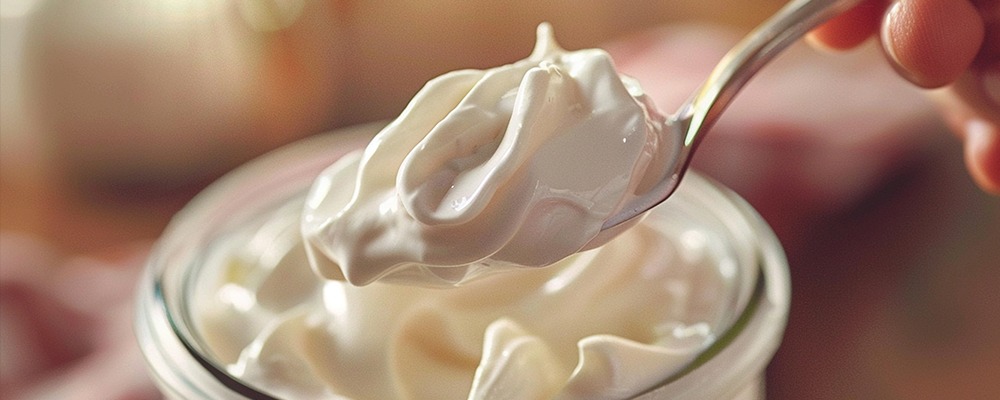
In addition to nutritional benefits, enzymes contribute significantly to sensory and processing enhancements. The texture of yoghurt, for example, depends on the delicate balance between proteins and carbohydrates. Enzymes such as transglutaminase strengthen the protein matrix, improving creaminess and water retention while reducing the need for stabilisers or additives.
Similarly, in cheese-making, enzymes influence every aspect of flavour and maturation. The right enzyme blend helps achieve the desired firmness, mouthfeel, and aromatic complexity, whether producing soft cheese, hard cheese, or processed cheese products. In ice creams and dairy desserts, enzymes prevent crystallisation and enhance smoothness, offering a more indulgent sensory experience without excessive fat or sugar.
Sustainability Through Enzyme Innovation
The dairy industry is under growing pressure to become more sustainable. Traditional processes often involve energy-intensive steps and generate significant waste. Enzyme-based solutions present a path toward greener manufacturing. By optimising reactions at lower temperatures and pH levels, enzymes help reduce energy consumption and chemical dependency.
For instance, enzymatic hydrolysis of whey, a by-product of cheese production, can convert waste streams into valuable ingredients such as whey protein hydrolysates. These are used in infant formula, sports nutrition, and functional beverages, turning what was once waste into profit. Enzymes, therefore, not only improve product performance but also contribute to a circular, resource-efficient dairy ecosystem.
Catering to Modern Dietary Trends
The modern diet is becoming more diverse and inclusive, with consumers seeking plant-based options and functional benefits in equal measure. Interestingly, enzymes play a crucial role even in the hybridisation of dairy and non-dairy formulations. In lactose-free dairy alternatives, enzyme treatments enhance solubility, reduce bitterness, and mimic the sensory qualities of traditional milk.
Additionally, the rise of high-protein dairy beverages and probiotic-rich yoghurts has been made possible by the precise application of enzyme technology. Enzymes ensure these products maintain stability, viscosity, and flavour even when fortified with functional ingredients such as fibres, vitamins, or live cultures.
The Future: Personalised and Functional Dairy
The future of functional dairy lies in customisation. With advancements in biotechnology, enzyme formulations are being tailored for specific milk types, cultures, and processing conditions. This allows manufacturers to fine-tune texture, flavour, and nutritional outcomes based on regional tastes or demographic needs.
Consumers today want more control over what they eat. They want dairy that supports their immune system, improves digestion, or helps with fitness goals. Enzymes make it possible to address these diverse expectations while ensuring clean labels and natural processing.
As enzyme research progresses, the potential to create next-generation dairy products with enhanced bioavailability and added health-promoting properties continues to expand. Whether it is synbiotic yoghurt that supports gut health or fortified milk for ageing populations, enzymes will remain central to the evolution of functional nutrition.
Conclusion
The role of enzymes in the dairy industry is no longer confined to solving lactose intolerance. They have become the cornerstone of innovation, enabling the creation of cleaner, healthier, and more sustainable dairy products that meet the demands of modern consumers. By enhancing digestibility, flavour, texture, and nutritional value, enzymes have elevated dairy from a traditional staple to a functional powerhouse suited for diverse dietary needs.
Biolaxi Enzymes Pvt Ltd has been at the forefront of this transformation, providing customised and high-quality enzyme formulations that empower dairy manufacturers to innovate confidently. With deep scientific expertise, reliable support, and a commitment to sustainable practices, Biolaxi continues to help businesses craft excellence in functional dairy solutions creating products that not only nourish but also inspire a healthier future.