
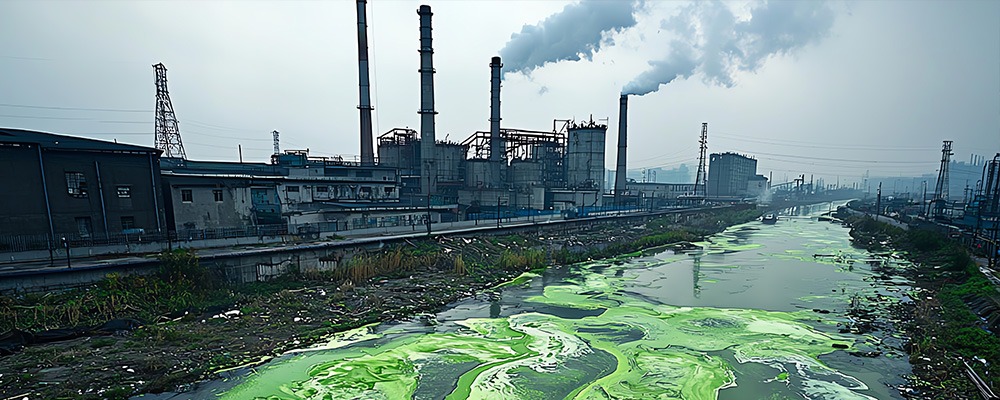
In today’s rapidly industrialising world, one of the greatest challenges faced by nations is balancing economic growth with environmental sustainability. Industrialisation has undeniably fuelled progress, but it has also brought with it a range of environmental concerns, particularly the discharge of harmful pollutants into soil and water. Over time, these pollutants have accumulated, disrupting ecosystems and threatening public health. While conventional chemical or physical remediation methods have been widely used, they often fall short of being sustainable, safe, or cost-effective. This is where enzymatic bioremediation emerges as a game-changing approach, a natural, efficient, and eco-friendly solution to treat pollutants right at the source.
Understanding Enzymatic Bioremediation
Enzymatic bioremediation is a branch of bioremediation that harnesses the power of enzymes to break down, transform, or neutralise harmful contaminants. Unlike traditional remediation techniques that often rely on harsh chemicals, enzymes operate under mild conditions and are biodegradable. They accelerate natural biochemical reactions that convert toxic compounds into harmless substances such as water, carbon dioxide, and simple organic molecules.
Enzymes act as biological catalysts, meaning they facilitate chemical reactions without being consumed in the process. They target specific bonds or structures within pollutants, breaking them down into smaller, safer molecules. This specificity makes enzymatic bioremediation not only effective but also precise, ensuring that only harmful compounds are degraded while leaving the surrounding environment unaffected.
The Need for Enzymatic Solutions
Industrial sectors such as textiles, paper and pulp, petrochemicals, pharmaceuticals, and agriculture are known to generate complex effluents laden with dyes, heavy metals, phenols, hydrocarbons, and other hazardous compounds. Traditional remediation approaches such as incineration or chemical neutralisation may remove these contaminants temporarily but often generate secondary pollutants or residues that need further treatment. In contrast, enzymes offer a green, sustainable alternative by degrading contaminants into non-toxic by-products.
For instance, oxidoreductases such as laccases and peroxidases are known to break down aromatic compounds and dyes, while hydrolases like lipases and esterases can degrade fats, oils, and other organic molecules. By tailoring enzyme formulations to specific pollutant profiles, industries can effectively manage effluent quality and reduce their ecological footprint.
Tackling Pollutants at the Source
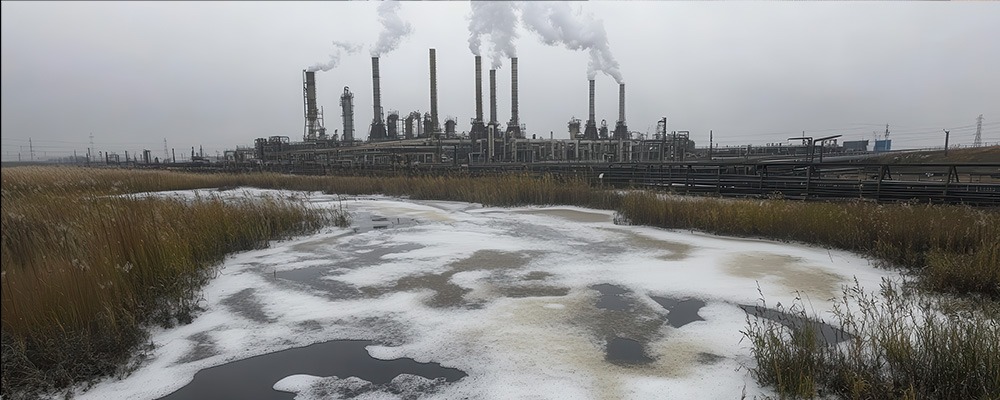
One of the most powerful aspects of enzymatic bioremediation is its ability to act at the source of pollution rather than after contamination has spread. Instead of treating large contaminated areas, industries can integrate enzyme-based solutions directly into their manufacturing or wastewater treatment systems. This proactive approach not only minimises environmental damage but also reduces long-term remediation costs.
For example, in textile dyeing units, enzyme formulations can be introduced into effluent streams to decolourise dyes before they reach natural water bodies. Similarly, in food and beverage industries, enzymes can be used to break down organic matter in wastewater, improving biological oxygen demand (BOD) and chemical oxygen demand (COD) levels. By addressing pollutants as they are generated, industries can ensure compliance with stringent environmental regulations and demonstrate their commitment to sustainable practices.
Advantages of Enzymatic Bioremediation
The appeal of enzymatic bioremediation lies in its many advantages over conventional remediation methods.
- Eco-friendliness: Enzymes are biodegradable and non-toxic, ensuring no harmful residues remain after treatment.
- Specificity: They target particular pollutants with high precision, leading to efficient degradation.
- Energy Efficiency: Enzymatic reactions typically occur under mild pH and temperature conditions, reducing energy requirements.
- Cost-Effectiveness: Reduced need for chemicals and minimal waste management lowers overall operational costs.
- Safety: Unlike harsh chemical treatments, enzyme-based solutions pose no risk to human health or the environment.
- Scalability: Enzymatic systems can be easily scaled to suit different industrial setups, from small units to large facilities.
Moreover, the adaptability of enzyme formulations allows for customisation based on pollutant type, concentration, and process requirements. This flexibility makes them suitable for a wide range of industries and environmental conditions.
The Role of R&D in Enzymatic Innovation
Advancements in biotechnology have accelerated the development of more robust and efficient enzyme formulations. Modern research focuses on improving enzyme stability, activity, and reusability under industrial conditions. Techniques such as enzyme immobilisation where enzymes are attached to solid supports have further enhanced operational efficiency. Immobilised enzymes not only offer greater stability but also allow repeated use, significantly reducing costs.
In addition, genetic engineering and protein design enable scientists to modify enzymes for specific functions, ensuring optimal performance even in harsh industrial environments. With the continuous evolution of enzyme technology, bioremediation is becoming increasingly practical and accessible across sectors.
A Step Towards a Greener Future
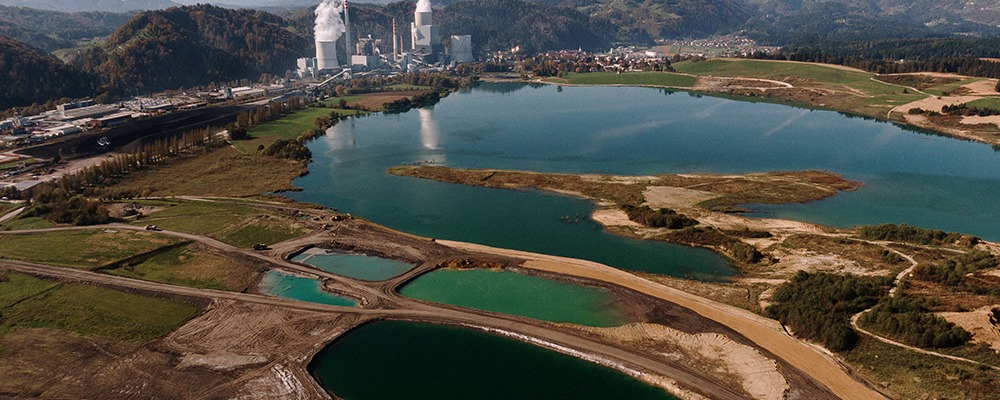
The integration of enzymatic bioremediation into industrial processes signifies a transformative step towards sustainable development. As global emphasis on environmental protection grows, industries must adopt innovative solutions that align with green manufacturing principles. By embracing enzyme-based treatments, businesses can significantly cut down on pollutant loads, conserve natural resources, and enhance their corporate environmental responsibility.
Furthermore, enzyme technology not only addresses pollution control but also contributes to circular economy practices. By converting harmful substances into reusable or harmless products, enzymatic bioremediation supports waste minimisation and resource recovery, creating value from what was once considered waste.
Conclusion
The future of industrial pollution control lies in solutions that are intelligent, adaptive, and environmentally responsible. Enzymatic bioremediation perfectly encapsulates these qualities, offering industries the opportunity to neutralise pollutants at the source while maintaining operational efficiency. By integrating such solutions into everyday processes, industries can take a proactive role in environmental stewardship, ensuring cleaner ecosystems and safer communities.
At Biolaxi Enzymes Pvt Ltd, we understand the critical importance of sustainability in modern industry. With over 14 years of experience in developing high-quality, eco-safe enzyme formulations, we are proud to support industries across sectors in their journey towards greener operations. Through our customised enzyme solutions, scientific expertise, and commitment to innovation, we help our partners reduce their environmental footprint and embrace a cleaner, more sustainable future.