
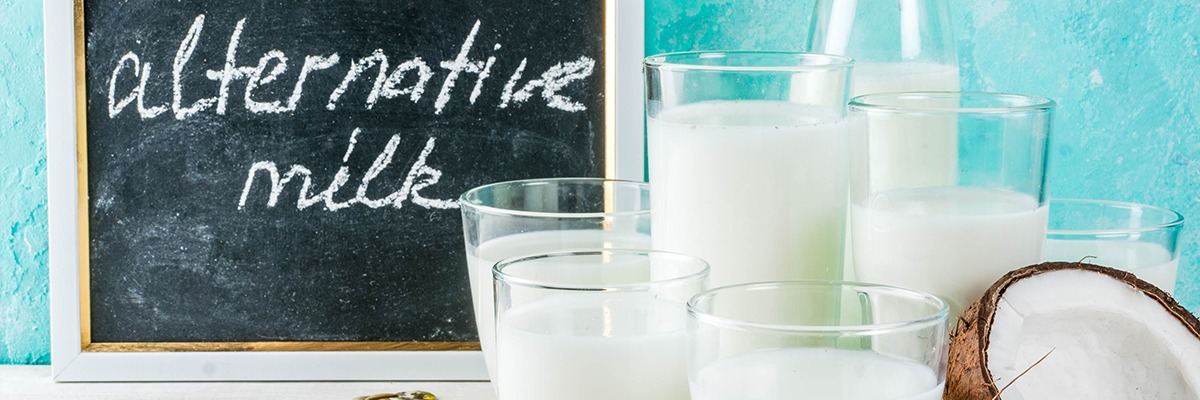
Dairy products have long been considered staples in human diets across the world, offering rich sources of calcium, protein, and essential nutrients. Yet, in recent years, there has been a noticeable shift in consumer preference towards lactose-free and plant-based alternatives. This change is fuelled by rising awareness of lactose intolerance, increasing health consciousness, and the growing popularity of vegan lifestyles. At the heart of this transformation lies a fascinating innovation: enzyme-assisted lactose reduction. By applying enzymes to break down lactose in dairy, manufacturers are meeting the surging demand for products that combine the nutritional benefits of milk with improved digestibility and inclusivity.
Understanding Lactose Intolerance
Lactose is a natural sugar found in milk and dairy products. It is a disaccharide composed of glucose and galactose molecules linked together. For proper digestion, lactose needs to be broken down into these two simpler sugars by an enzyme called lactase, which is produced in the small intestine.
However, many individuals, particularly adults, experience a natural decline in lactase production after childhood. This condition, commonly referred to as lactose intolerance, leads to discomfort such as bloating, cramps, gas, and diarrhoea when dairy is consumed. It is estimated that nearly 70 per cent of the global population has some degree of lactose malabsorption, with higher prevalence in Asia, Africa, and South America. This widespread issue has opened the door for innovations in dairy processing aimed at removing or reducing lactose content.
Enzymes as the Key to Better Dairy Solutions
The most efficient method of reducing lactose in dairy involves the use of lactase enzymes. By introducing lactase into milk and other dairy products, lactose is hydrolysed into glucose and galactose, both of which are easier to digest. This process not only makes dairy suitable for lactose-intolerant individuals but also enhances sweetness naturally, reducing the need for added sugars in flavoured products.
The use of enzymes in food processing is not new, but their role in dairy innovation is becoming increasingly crucial. Unlike mechanical or chemical methods of lactose removal, enzymatic hydrolysis is gentle, eco-friendly, and preserves the nutritional integrity of milk. It allows dairy producers to maintain the texture, flavour, and overall sensory experience that consumers expect, while offering a healthier and more inclusive option.
The Rise of Lactose-Free Dairy in the Market
The lactose-free dairy segment is one of the fastest-growing categories in the global food industry. Consumers are increasingly looking for products that combine health, convenience, and inclusivity. Lactose-free milk, yoghurt, ice cream, and cheese are no longer niche items found in specialty stores but mainstream products widely available in supermarkets.
This growth is also being supported by the trend towards clean-label and functional foods. Many consumers associate lactose-free dairy with better digestibility and improved gut health, even if they are not clinically diagnosed as lactose intolerant. Furthermore, the natural sweetness created by enzymatic lactose breakdown appeals to health-conscious individuals looking to cut down on added sugars without compromising on taste.
Dairy Alternatives and the Competition
Alongside lactose-free dairy, plant-based alternatives such as almond, oat, and soy milk have also seen a meteoric rise in demand. While these products cater primarily to vegan consumers, they also attract those who perceive plant-based options as healthier or more sustainable.
The challenge for the dairy industry lies in competing with these alternatives while preserving its unique advantages. Dairy products have a richer nutritional profile, particularly in terms of protein and calcium, compared to many plant-based options. By reducing lactose content through enzymes, the dairy industry can regain a competitive edge, positioning itself as both health-friendly and nutritionally superior.
The Science Behind Enzyme-Assisted Processes
The application of lactase enzymes in dairy processing involves precision and careful control. Factors such as temperature, pH, and reaction time determine the efficiency of lactose hydrolysis. Advanced enzyme formulations have been developed to ensure stability and high activity under varying conditions of dairy processing.
For example, in liquid milk production, lactase can be added during pasteurisation to break down lactose before packaging. In ice cream and yoghurt, lactase not only improves digestibility but also enhances texture and flavour by balancing sweetness levels. Modern immobilised enzyme systems further improve efficiency by allowing enzymes to be reused in continuous production processes, thereby reducing costs and improving sustainability.
Benefits Beyond Digestibility
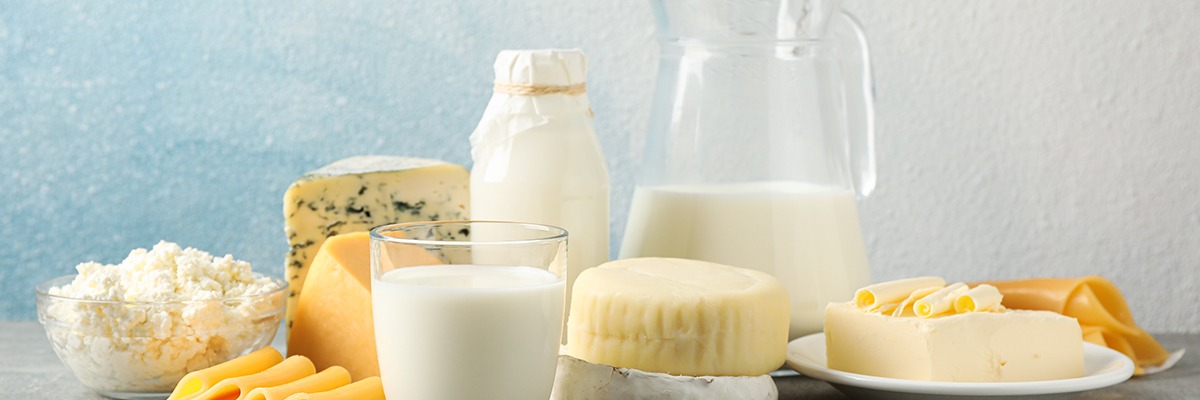
While the primary aim of enzyme-assisted lactose reduction is to cater to lactose-intolerant individuals, the benefits extend beyond this group. By hydrolysing lactose into glucose and galactose, the natural sweetness of dairy increases, allowing manufacturers to reduce or eliminate added sugars. This aligns perfectly with global health campaigns aimed at reducing sugar intake to combat obesity and related health issues.
Moreover, lactose-free dairy is easier to digest for infants, the elderly, and individuals with sensitive digestive systems. It expands the accessibility of dairy products to a wider audience while retaining their nutritional benefits. The combination of improved digestibility, enhanced sweetness, and sustainability through enzyme reuse makes this innovation a game-changer in the dairy industry.
Future Outlook: A Growing Opportunity
As consumer demand for healthy, inclusive, and sustainable foods continues to rise, enzyme-assisted lactose reduction presents a significant opportunity for dairy producers. By investing in advanced enzyme technologies and customised formulations, manufacturers can diversify their product portfolios and cater to a wide range of consumer needs.
The future will likely see further integration of enzymes not only for lactose reduction but also for improving texture, flavour, and nutritional value. With increasing research and development in enzyme technology, the scope of applications is expanding rapidly, paving the way for innovations that balance consumer demand with industry efficiency.
Conclusion
The global appetite for lactose-free dairy products reflects a broader trend towards inclusive nutrition and healthier lifestyles. Enzyme-assisted lactose reduction has emerged as the most effective and sustainable solution, enabling dairy producers to deliver products that are both accessible and appealing. By addressing the challenges of lactose intolerance while enhancing sweetness and reducing the need for added sugars, enzymes are redefining the future of dairy.
Biolaxi Enzymes, with its commitment to innovation, eco-safe formulations, and customised solutions, plays a vital role in this journey. With more than a decade of scientific and engineering expertise, Biolaxi provides high-quality enzyme formulations that empower manufacturers to create dependable and consumer-friendly products. As the demand for dairy alternatives continues to grow, Biolaxi stands as a trusted partner in shaping a healthier, more sustainable food industry.