
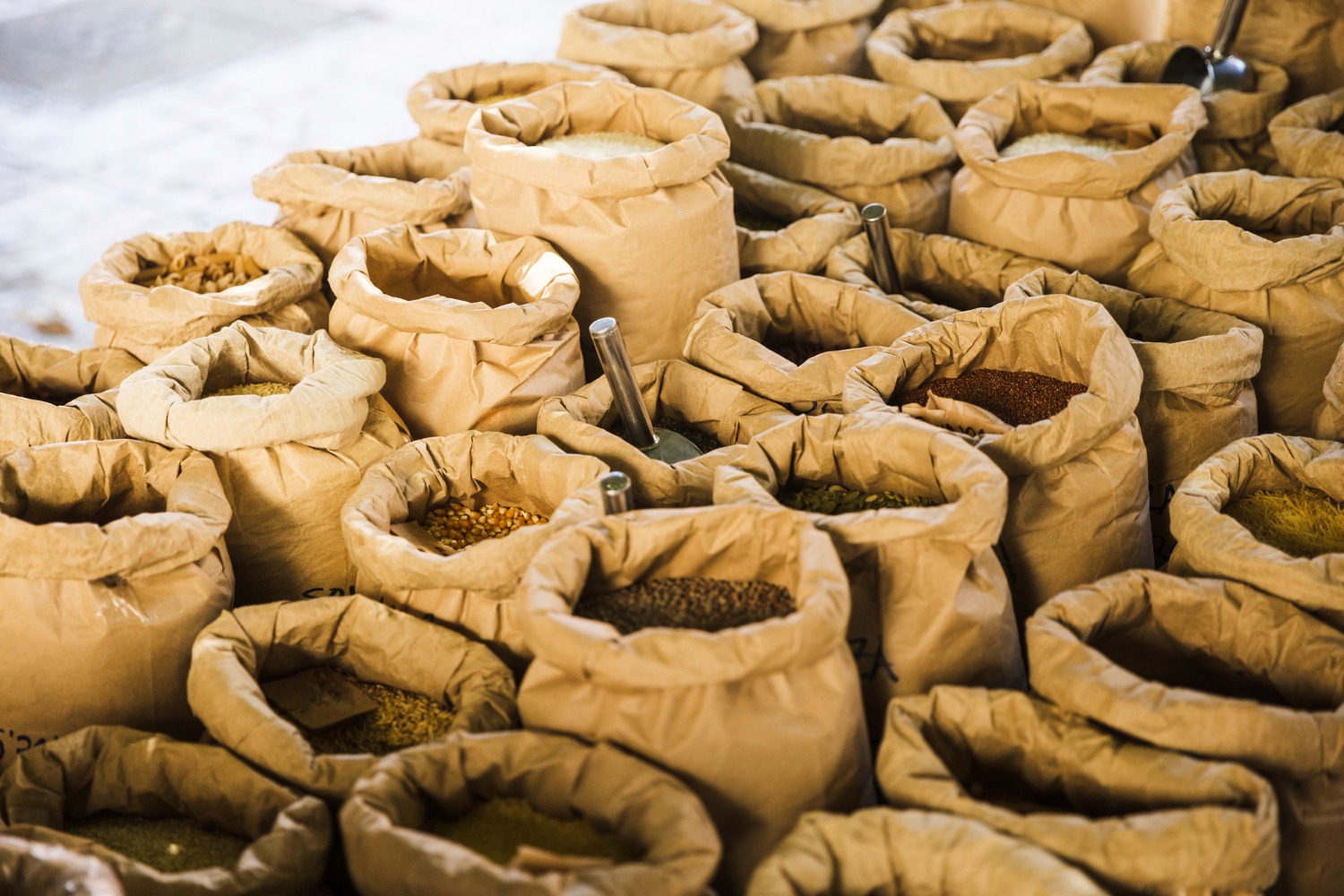
The feed industry plays a central role in global livestock production and contributes significantly to food security. As demand for meat, poultry, dairy, and aquaculture products continues to rise, feed manufacturers must provide cost-efficient and nutritionally balanced formulations. However, plant-based ingredients such as cereals, oilseed meals, and grain byproducts contain components that interfere with nutrient digestibility and reduce feed efficiency. These limitations increase production costs and contribute to nutrient waste, highlighting the need for more effective nutritional solutions.
Enzymes play an important role in modern feed formulations, where exogenous feed enzymes are added to support nutrient digestibility, promote better growth, improve feed efficiency, and reduce environmental pollution from undigested nutrients. The introduction of phytase in the 1960s marked the beginning of enzyme use in feed, primarily for improving phosphorus utilization in poultry diets. Since then, advancements in enzyme technology have expanded their application to a diverse range of anti-nutritional factors, enabling more efficient and sustainable livestock production.
What Problems Does the Feed Industry Face, and How Do Enzymes Help?
The feed industry faces ongoing challenges related to nutrient limitations, rising ingredient costs, and the need for environmentally responsible production. Plant-based feed ingredients contain phytic acid, complex fibers, and various non-starch polysaccharides that hinder nutrient digestion and reduce the availability of phosphorus, amino acids, and energy components. This leads to lower feed efficiency and increases the volume of nutrients excreted in manure.
Higher prices of grains and protein sources add further pressure on producers to maximize nutrient utilization. Poor digestibility elevates feed costs and contributes to environmental concerns due to nutrient runoff, while also affecting gut health and overall animal performance.
To address these issues, exogenous feed enzymes are used for breaking down complex, indigestible, or nutrient-bound components in plant-based materials. Their combined action is used for enhancing nutrient utilization, improving digestive efficiency, and reducing dependence on synthetic nutritional supplements. As a result, exogenous feed enzymes are used for supporting stronger growth performance in poultry, swine, aquaculture, and ruminants while reducing nutrient waste and environmental impact.
Types of Enzymes Used for Feed Industry
1. Phytase
Phytase is used for breaking down phytic acid, the major storage form of phosphorus in plant-based feed ingredients. Monogastric animals cannot efficiently utilize phytic acid, causing much of the phosphorus and minerals bound within it to remain unavailable. Phytase releases these bound minerals, helping reduce reliance on inorganic phosphorus sources while lowering nutrient excretion. Its use supports better skeletal development, enhances growth performance, and improves overall feed efficiency across different species.
2. Protease
Protease improves the breakdown of complex proteins into peptides and amino acids that animals can utilize more effectively. Many plant proteins contain anti-nutritional compounds that limit protein availability. Protease helps overcome these limitations by increasing amino acid release and absorption, reducing undigested protein in the gut, and lowering nitrogen waste. This results in more consistent growth, improved gut health, and better utilization of both plant and animal protein sources.
3. Amylase
Amylase is used for converting complex starch molecules into simpler, easily digestible sugars. Starch digestibility varies by grain type and processing conditions, and amylase helps ensure consistent energy release from these ingredients. By improving carbohydrate digestion, amylase supports better feed conversion, stable energy supply, and strong growth performance. It is particularly beneficial for young animals and species with limited natural amylase production.
4. Xylanase
Xylanase targets arabinoxylans, which are non-starch polysaccharides present in wheat, barley, rye, and other cereals. These compounds can increase intestinal viscosity and reduce nutrient accessibility. Xylanase reduces viscosity and helps release trapped nutrients, leading to improved energy availability and better digestive conditions. It is especially useful in diets containing high levels of viscous cereals, where it supports feed efficiency and consistent growth in poultry and swine.
5. Cellulase
Cellulase is used for breaking down cellulose, a major structural fiber in plant cell walls. Monogastric animals cannot digest cellulose naturally, and even ruminants benefit from improved fiber breakdown. Cellulase increases energy release from fibrous ingredients, supports better utilization of forages and crop residues, and enhances overall nutrient absorption. Its use contributes to improved feed efficiency and optimized fiber utilization across both ruminant and monogastric systems.
6. β-Glucanase
β-Glucanase breaks down β-glucans, which are viscous polysaccharides found in grains such as barley and oats. High β-glucan content can slow digestion, increase viscosity, and hinder nutrient uptake. β-Glucanase reduces these negative effects by degrading β-glucans into simpler components, resulting in improved gut passage, better feed intake, and enhanced nutrient utilization. Its inclusion supports more efficient feed conversion and stable digestive conditions, particularly in poultry and swine diets.
How Enzymes Are Used for Feed Manufacturing
1. Raw Material Preparation
Grains, oilseed meals, and premixes are selected, cleaned, ground, and blended to ensure uniform particle size and provide better access for exogenous feed enzymes during digestion.
2. Feed Formulation and Enzyme Selection
Nutritionists design diets based on species, life stage, and production goals. Enzymes are selected to address specific limitations such as phytic acid, fiber, or starch digestibility and to complement the nutrient profile of the ingredients used.
3. Mixing and Pre-blending
Exogenous feed enzymes supplied in powder, granule, or liquid form are pre-blended with carriers to achieve consistent distribution throughout the feed.
4. Conditioning and Pelleting
Steam conditioning softens feed particles during pelleting. Heat-stable enzymes are added before pelleting, while heat-sensitive enzymes are applied afterward to preserve activity.
5. Post-Pellet Application
Liquid enzymes are sprayed onto cooled pellets to ensure optimum activity during digestion.
6. Quality Control
Enzyme-fortified feed undergoes testing for enzyme activity, nutrient uniformity, and compliance with formulation standards using laboratory assays and analytical methods.
7. Distribution and Feeding
After quality assurance, enzyme-enhanced feed is distributed to farms, where it supports efficient digestion, improved growth, better feed conversion, and reduced nutrient waste.
Conclusion
Enzymes have become essential components of modern feed strategies. By improving nutrient digestion and utilization, they help reduce feed costs, support better growth performance, and contribute to more sustainable livestock production. When selected and applied correctly, exogenous feed enzymes enhance digestive efficiency, minimize nutrient losses, and decrease reliance on synthetic additives. Their continued use supports a more efficient, economical, and environmentally responsible approach to animal nutrition.