In the face of growing demand for animal protein, improving the efficiency of livestock production has become a global priority. Feed constitutes the single largest cost in animal farming, which is why every producer seeks ways to extract the maximum possible nutrition from the least expensive inputs. One of the most important tools making this possible today is the use of feed enzymes. These biological catalysts enable animals to digest and absorb nutrients that would otherwise go unused, unlocking greater value from every batch of feed.
Traditionally, high energy ingredients such as maize, wheat, and soybean meal have been the foundation of animal diets. However, the rising costs of these inputs and the environmental impact of their cultivation have created a strong shift towards the use of alternative raw materials. These materials include wheat bran, rice bran, sunflower meal, and other agricultural byproducts. While more economical, these ingredients are often less digestible due to the presence of complex carbohydrates, fibre, and anti nutritional compounds. Feed enzymes offer a solution by converting such complex substances into digestible nutrients, making it possible to use low cost materials without compromising animal performance.
The Function of Feed Enzymes in Animal Nutrition
Feed enzymes work by breaking down specific components in the feed that the animal’s natural digestive system cannot handle efficiently. For example, phytase releases phosphorus from phytate, a naturally occurring compound in plant seeds that binds essential minerals. Carbohydrases such as xylanase and beta glucanase help degrade fibre and improve energy availability. Proteases enhance protein digestibility by converting large proteins into absorbable amino acids.
These reactions make nutrients more accessible to the animal, improving overall digestion and feed efficiency. At the same time, enzymes help reduce anti nutritional effects and lower viscosity in the digestive tract, resulting in better nutrient absorption, improved gut health, and enhanced growth performance.
Converting Agricultural Waste into Nutritive Feed
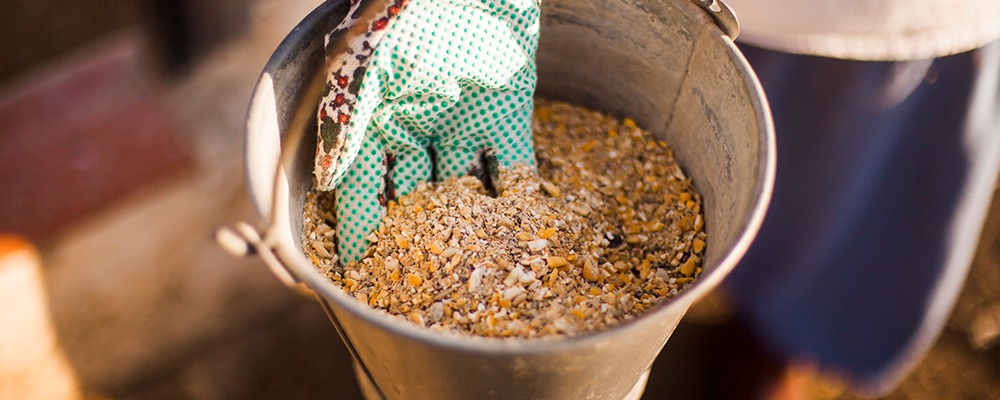
A significant portion of global animal feed includes agricultural residues and byproducts that are low in cost but difficult to digest. With enzyme supplementation, the potential of these raw materials can be fully realised. For instance, when enzymes are added to poultry feed containing rice bran or wheat bran, the birds are able to extract more energy and protein than they would from an untreated diet.
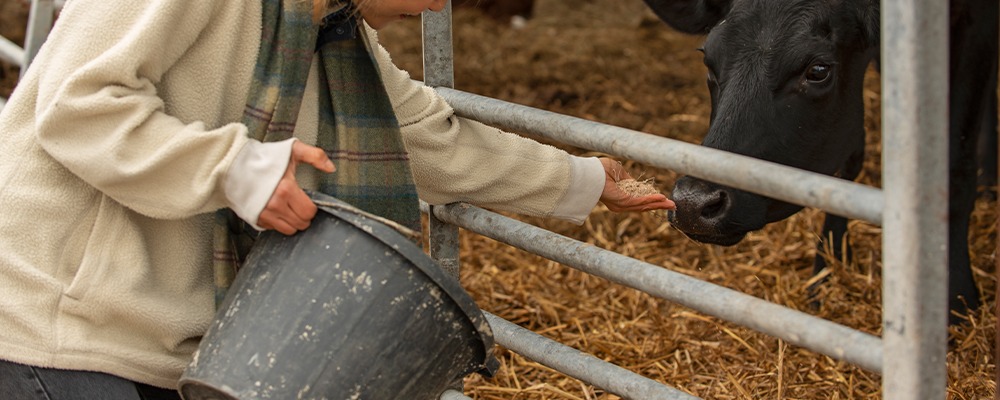
In ruminants, fibre degrading enzymes improve the utilisation of forages and crop residues, leading to increased milk production or weight gain. In aquaculture, enzymes such as proteases and lipases help fish and shrimp digest plant based protein alternatives more effectively, reducing reliance on costly fishmeal. In every case, enzymes help turn overlooked and underutilised ingredients into valuable sources of nutrition.
Economic and Environmental Advantages
From a cost saving standpoint, enzymes allow feed formulators to use more flexible and affordable ingredient choices without sacrificing performance. They also help improve feed conversion ratios, meaning animals grow faster and healthier using less feed. This has a direct positive impact on profitability for farmers and feed manufacturers.
The environmental benefits are equally important. Enzymes reduce nutrient excretion, especially nitrogen and phosphorus, which in turn helps minimise pollution of soil and water bodies. Better nutrient absorption leads to lower emissions from animal waste, contributing to cleaner and more sustainable farming practices. When used consistently, feed enzymes play a meaningful role in reducing the carbon footprint of animal production.
Improved Animal Health and Welfare
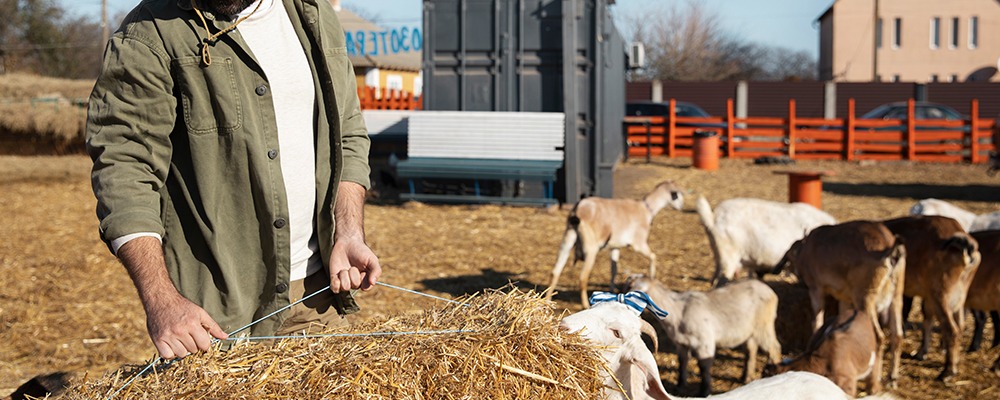
Enzyme enhanced diets promote better health and welfare outcomes for animals. Since enzymes assist in complete digestion, less undigested material remains in the gut. This reduces the risk of undesirable microbial activity and helps maintain a balanced gut microbiome. A healthy digestive system improves immunity, reduces stress, and supports higher survival rates, particularly in poultry and aquaculture operations.
Furthermore, when enzymes are combined with other feed additives such as probiotics or organic acids, their effects can be magnified. This can reduce the need for antibiotic growth promoters and support more natural methods of livestock management.
Precision Formulation for Species Specific Needs
Each animal species has unique digestive physiology, so enzyme solutions must be tailored accordingly. Monogastric animals such as poultry and swine benefit most from enzymes that break down carbohydrates and proteins. In ruminants like cattle and sheep, fibre degrading enzymes are more effective. Aquatic species, which have simpler digestive systems, rely on external enzymes for complete nutrient breakdown.
Effective enzyme use depends on understanding the composition of the feed and the biological needs of the animal. Factors such as ingredient quality, age, health, and environmental conditions must be considered while designing enzyme solutions. A well formulated enzyme product can help achieve consistent performance across different production cycles and geographic regions.
The Importance of Quality and Support
Successful integration of feed enzymes requires more than just adding a product to the mix. It needs a trusted supplier who can offer not only consistent quality but also technical know how and on ground support. Variability in raw materials and farming conditions makes it essential to conduct trials, monitor results, and continuously adjust formulations to suit changing conditions.
The reliability of enzyme performance depends on several factors including enzyme stability, proper dosage, uniform mixing in feed, and storage conditions. It is equally important that the enzymes are backed by rigorous quality control and validated results from laboratory and field studies.
Conclusion
Feed enzymes have redefined the economics and science of animal nutrition. They enable the use of affordable ingredients, improve nutrient absorption, support animal health, and reduce environmental impact. In an industry that is under pressure to produce more with less, feed enzymes offer a powerful solution that is both practical and sustainable.
At Biolaxi Enzymes, we are proud to support the global feed industry with advanced enzyme formulations that are designed for performance, precision, and value. With over a decade of scientific and engineering expertise, our customised enzyme products help clients across poultry, ruminant, and aquaculture segments achieve better outcomes with lower input costs. Our mission is to deliver innovation that feeds the future with efficiency and care.