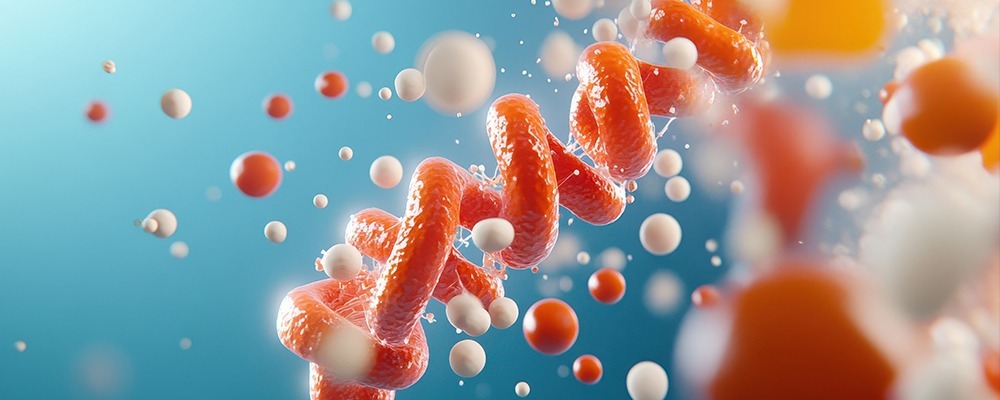
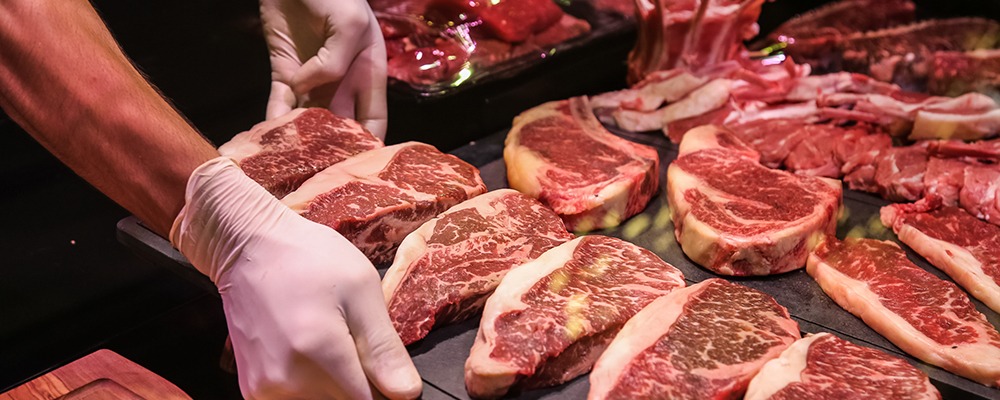
The art of meat processing has come a long way from traditional marination and ageing methods. As consumer demand for better texture, cleaner labels, and consistent quality continues to grow, biotechnology has entered the spotlight. Among the most impactful tools in this evolution are enzymes, naturally occurring proteins that offer precision, control, and efficiency in meat processing. These biological catalysts are quietly transforming how the industry enhances meat tenderness, improves flavour, and optimises overall processing workflows.
Enzyme technology is not just a matter of science. It is reshaping meat production practices to be more sustainable, scalable, and responsive to consumer needs. With tailored solutions for various types of meat and processing methods, enzyme based innovations are delivering both culinary and commercial benefits.
Why Tenderness Matters
Tenderness is a key sensory attribute that defines meat quality. Whether it is beef, poultry, or pork, consumers consistently rate tenderness as a top priority. However, achieving consistent tenderness across large batches is a challenge, especially when dealing with varying animal breeds, muscle types, and ageing conditions.
Traditional methods such as dry ageing, pounding, or mechanical tenderising often lead to uneven results, higher costs, and increased processing time. Enzymes offer a smarter alternative. They work at the molecular level to break down connective tissue and muscle proteins, helping processors produce reliably tender meat with precision and speed.
The Science Behind Meat Tenderisation
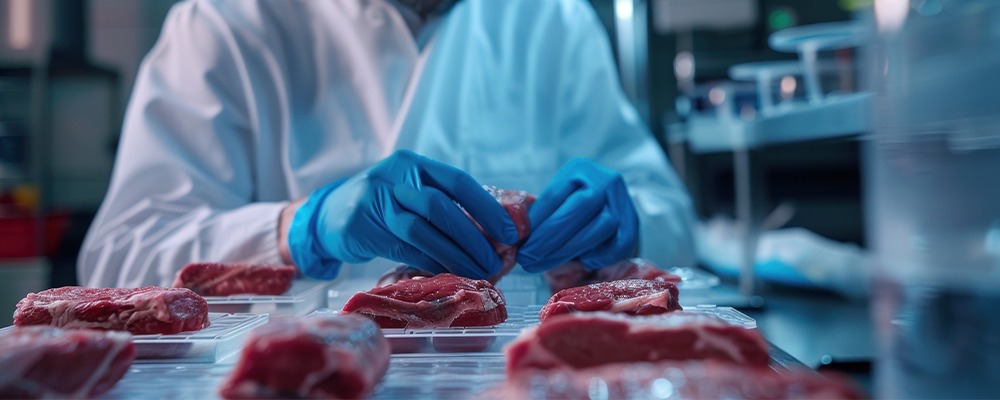
The structural toughness of meat is primarily due to collagen and other connective tissues. Enzymes help by breaking down these fibrous proteins into smaller, more soluble components, making the meat easier to chew and digest.
The most commonly used proteolytic enzymes in meat tenderisation include:
- Papain derived from papaya
- Bromelain extracted from pineapple
- Ficin sourced from figs
These enzymes are applied either during marination, injection, or tumbling processes. They begin acting upon the meat surface and gradually penetrate deeper, softening the tissue without affecting the overall integrity or nutritional value. The result is meat that remains natural in appearance and rich in flavour, but significantly improved in tenderness.
Controlled Action for Consistent Results
One of the key advantages of enzyme based meat processing is the ability to fine tune the tenderisation process. Enzymes work under specific temperature and pH conditions, which gives processors the ability to regulate their activity. This level of control is critical for maintaining consistency across different batches, avoiding over tenderisation, and ensuring product safety.
Processing environments can be designed to allow precise enzyme activation during certain stages, followed by deactivation through heat or pH adjustment. This reduces the risk of enzymatic overreaction, which could otherwise compromise product texture or shelf life.
Enzymes in Value Added Meat Products
Beyond fresh cuts, enzymes are making a big impact in processed and value added meat products. From ready to cook items to cured and restructured meats, enzymes play a versatile role. They improve binding, moisture retention, and uniformity, especially in products made from mixed meat trimmings.
For example, transglutaminase, an enzyme often referred to as meat glue, helps bind protein surfaces together. This allows for the creation of uniform portions or specific shapes without the need for synthetic additives. It is especially useful in producing consistent fillets, rolls, or medallions from irregular cuts, reducing waste and increasing product yield.
Improving Flavour and Digestibility
While tenderness is the most talked about benefit, enzymes also contribute to enhancing the flavour and digestibility of meat. During protein breakdown, enzymes release peptides and amino acids that can improve umami notes and depth of taste. This enzymatic reaction is similar to what happens during natural meat ageing, but in a faster and more controlled manner.
Moreover, enzyme treated meat is often easier to digest. The breakdown of complex proteins into smaller chains supports better nutrient absorption, making it ideal for elderly consumers or individuals with sensitive digestion.
Supporting Clean Label Initiatives
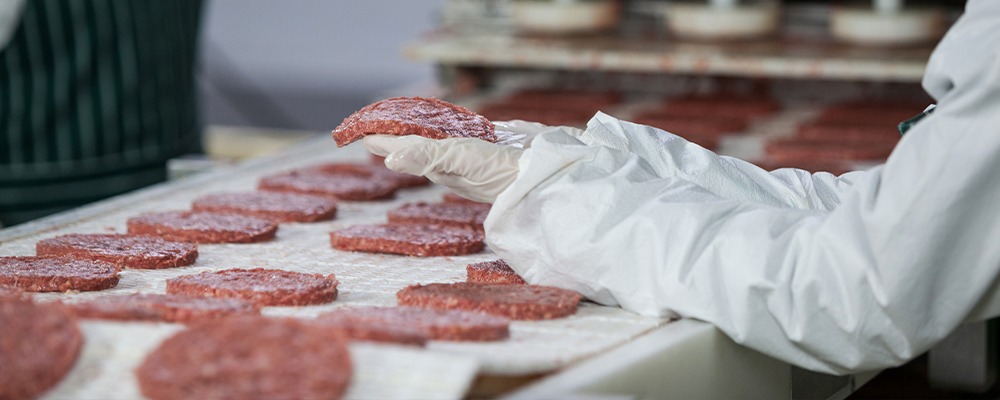
Clean label trends are pushing food producers to move away from synthetic additives and artificial processing agents. Enzymes, being naturally derived and often recognised as safe, offer a clean label alternative that meets regulatory standards in many regions. When listed simply as “enzyme” or by their plant source, they are well accepted by consumers seeking minimally processed, natural food products.
This is especially valuable in premium and health focused meat products that require both functionality and label transparency.
Economic and Operational Benefits
Enzyme usage is not only about product quality, it also supports better economics and operational efficiency. By enhancing tenderness, enzymes reduce the need for extended ageing times, allowing for faster throughput and improved shelf management. They also enable processors to utilise a wider range of meat cuts, including tougher and less expensive ones, without sacrificing final product quality.
The improved yield, reduced waste, and greater batch consistency directly contribute to cost savings, making enzyme technology a valuable asset in competitive processing environments.
Safety and Regulatory Considerations
Modern enzyme solutions used in meat processing are subject to strict quality control and safety testing. Reputable manufacturers provide enzymes that meet food grade certification and align with regulatory requirements in global markets. These include ISO, HACCP, and FSSAI certifications, among others.
Processors must also follow good manufacturing practices to ensure correct dosing, activation, and deactivation of enzymes during production. When used responsibly, enzymes are a safe and effective component in modern meat processing lines.
Conclusion
Enzymes have emerged as a reliable and intelligent tool for modern meat processors. From improving tenderness and flavour to supporting clean label goals and operational efficiency, enzyme based advances are redefining the meat industry’s standards. They allow processors to offer consistent quality, reduce waste, and respond to evolving consumer demands, all while embracing a more natural and sustainable approach.
Biolaxi Enzymes Pvt Ltd is proud to contribute to these innovations through scientifically developed, high performance enzyme solutions for the global food industry. With deep expertise, custom formulations, and a strong focus on quality and compliance, Biolaxi continues to support food processors in delivering better meat products that align with today’s values and tomorrow’s needs.