
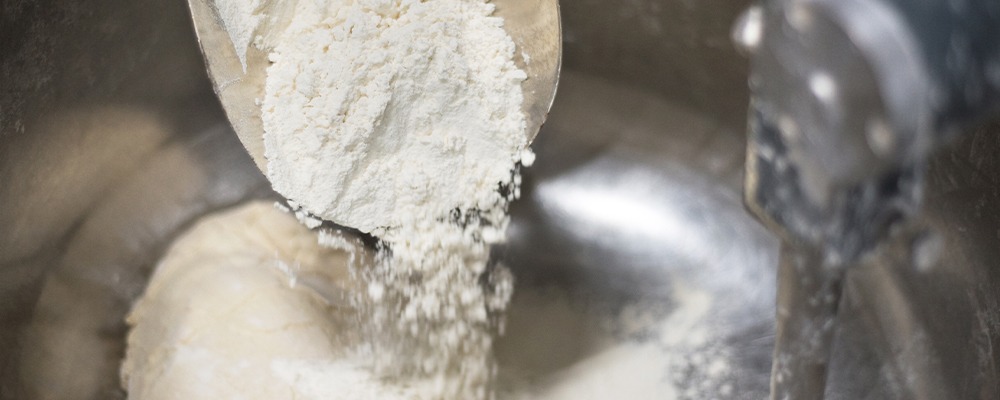
Starch processing is a vital part of the global food and beverage industry, as well as numerous industrial applications such as textiles, paper manufacturing, and bioethanol production. Derived from crops like maize, wheat, cassava, and potatoes, starch acts as both a functional ingredient and a base for various by-products. However, extracting and transforming starch from raw materials into usable end-products involves multiple complex steps that demand precision, energy, and efficiency. That is where the application of enzymes becomes transformative — particularly smart, tailor-made enzymes that can optimise every stage of the starch processing cycle.
This blog takes a closer look at how enzymes are reshaping starch processing, why they are indispensable in moving from slurry to solution, and how they contribute to sustainable, cost-effective operations.
Understanding Starch and Its Challenges
Starch, a polysaccharide composed of amylose and amylopectin, is not immediately useful in its raw form. It must be broken down into simpler molecules such as maltose, glucose, and other oligosaccharides before being incorporated into industrial or food applications. This conversion typically occurs through processes such as liquefaction, saccharification, and isomerisation. Traditionally, these steps relied heavily on high temperatures, acid hydrolysis, and extensive equipment usage — all of which come with considerable operational costs, waste generation, and energy demand.
Modern starch processing facilities are under immense pressure to improve yield, maintain consistency, lower production costs, and meet stringent environmental norms. As a result, enzyme-based processing has emerged as a game-changer.
The Role of Enzymes in Starch Processing
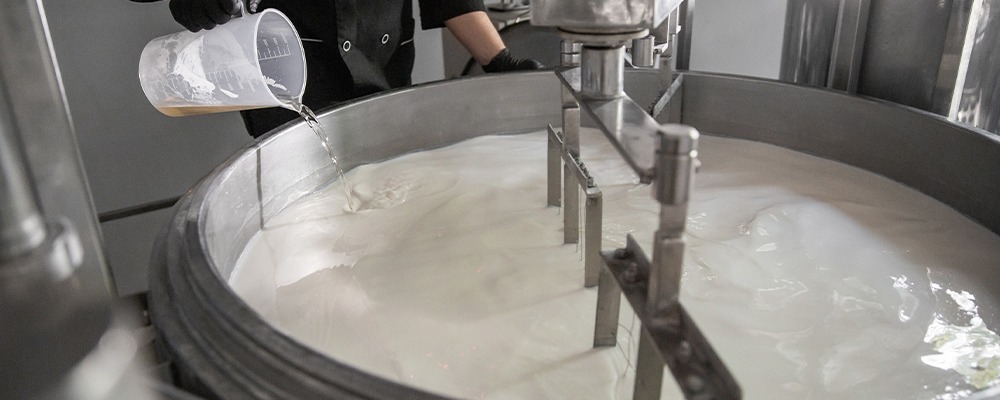
Enzymes are biological catalysts that accelerate chemical reactions under mild conditions. In starch processing, several types of enzymes are used at various stages:
- Alpha-amylase – This enzyme initiates the breakdown of starch during liquefaction. It cleaves the alpha-1,4 glycosidic bonds in starch molecules, reducing viscosity and producing dextrins.
- Glucoamylase – In the saccharification stage, glucoamylase continues the conversion of dextrins into glucose by breaking both alpha-1,4 and alpha-1,6 linkages.
- Pullulanase and Isoamylase – These debranching enzymes help in hydrolysing the branched points of amylopectin, making starch hydrolysis more complete.
- Proteases – Sometimes used in starch-containing raw materials like maize, proteases degrade protein content, improving starch accessibility and reducing slurry viscosity.
Smart enzyme formulations are designed to work synergistically, achieving faster reaction rates, higher conversions, and fewer by-products. They can also function at optimised pH and temperature ranges, offering manufacturers the flexibility to streamline their processing setups.
Smart Enzymes: What Makes Them Smart?
The term “smart enzymes” refers to enzyme solutions that are engineered, blended, or customised for enhanced efficiency, stability, and control. Unlike conventional formulations, smart enzymes can tolerate fluctuating process conditions such as pH shifts, high solid loads, or elevated temperatures. Some are immobilised for repeated usage, extending enzyme life and reducing overall enzyme consumption.
Smart enzymes are also compatible with continuous or semi-continuous production systems, enabling starch processors to reduce downtimes and improve throughput. Additionally, these enzyme solutions are fine-tuned to minimise the formation of undesirable by-products, leading to cleaner syrups and higher quality output.
From a sustainability perspective, smart enzyme solutions reduce water usage, energy demand, and chemical dependency. By working at lower temperatures and eliminating harsh reagents, they contribute to more eco-friendly and cost-effective operations.
Industrial Applications of Enzyme-Based Starch Processing
The implications of efficient starch processing extend far beyond glucose syrup production. Here are a few key industries that benefit:
- Food and Beverages: High fructose corn syrup, maltodextrins, and glucose syrups are foundational in bakery, confectionery, and soft drinks. Enzyme processing ensures product uniformity and taste consistency.
- Bioethanol: In biofuel manufacturing, converting starch to fermentable sugars is a critical step. Enzyme formulations improve yield and shorten fermentation time.
- Paper and Textiles: Modified starches are used for sizing, coating, and finishing applications. Enzymes help in creating starches with specific viscosity and adhesion characteristics.
Pharmaceuticals: Enzymatically processed starch is used in tablet binding, capsule filling, and as a filler. Purity and consistency are key, and enzyme usage ensures both.
The Push for Customisation
Every starch source is different, and so is every processing environment. That is why customisation is a critical part of smart enzyme development. Whether it is a distillery looking to increase fermentable sugar levels or a juice processor aiming to reduce turbidity while maintaining natural sweetness, enzyme manufacturers must work closely with processors to develop solutions tailored to their raw material profiles and end-product goals.
The ability to tweak enzyme concentration, reaction time, operating pH, and stability parameters allows manufacturers to extract the maximum possible value from their raw inputs. As consumer preferences shift towards cleaner labels and naturally processed foods, enzymes offer a powerful tool to meet those demands without compromising on efficiency.
The Future is Enzymatic
Looking ahead, innovation in enzyme technology is expected to move even faster. Research is ongoing into enzyme immobilisation techniques, co-factor-free enzymes, and thermostable variants that can withstand industrial stress without degradation. The integration of AI and biotechnology is making it possible to predict enzyme behaviour, enabling better process design and troubleshooting.
Smart enzyme usage is also being explored in combination with microbial fermentation and synthetic biology to create more integrated bioprocessing platforms. As more industries adopt sustainable practices, enzymes are set to become the default rather than the alternative.
Conclusion
From slurry to solution, enzymes have revolutionised the way we process starch. They offer faster reaction times, greater product uniformity, and significantly lower environmental impact. The move towards smart enzymes brings in a new era of precision, control, and sustainability — one where processors can adapt to changing raw materials and evolving market needs without sacrificing quality or cost-efficiency.
At Biolaxi Enzymes Pvt Ltd, we understand that every drop of efficiency matters. With over 14 years of experience, a strong R&D backbone, and a commitment to quality and sustainability, we offer smart, customised enzyme solutions for starch processing and beyond. Our scientific expertise and engineering know-how ensure that your transition from slurry to solution is not only smooth but future-ready.