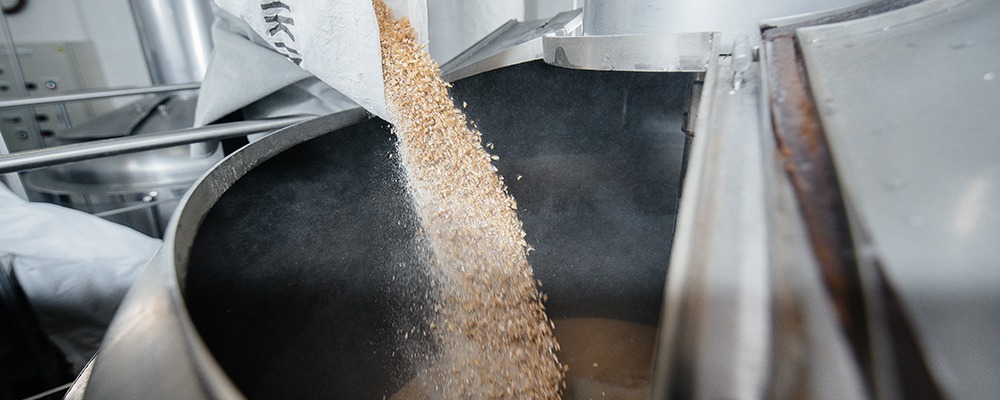

The leather industry is one of the oldest and most resource-intensive sectors in the world. For decades, leather processing has relied on harsh chemicals and energy-intensive methods to convert raw hides into finished leather. However, with growing awareness of environmental sustainability, they are actively exploring greener alternatives. Among these, the use of natural enzymes such as Papain and Bromelain has emerged as a powerful and eco-friendly solution.
These plant-derived enzymes offer the dual benefit of efficient processing and significantly reduced environmental impact. In this blog, we take a closer look at how Papain and Bromelain are changing the face of leather manufacturing and why they represent the future of sustainable processing.
The Environmental Challenge of Leather Processing
Leather manufacturing involves multiple steps including soaking, dehairing, bating, tanning and finishing. Traditionally, this process uses a cocktail of chemicals such as lime, sodium sulphide and various acids. While these substances effectively clean and prepare the hides, they also produce harmful by-products. The release of toxic effluents into water bodies, the emission of noxious gases and the generation of solid waste are common side effects of chemical-based leather processing.
Moreover, the working conditions in tanneries can be hazardous, exposing workers to corrosive substances and chemical fumes. As global environmental regulations become stricter and consumer awareness grows, the leather industry is under increasing pressure to adopt sustainable alternatives.
Introducing Papain and Bromelain
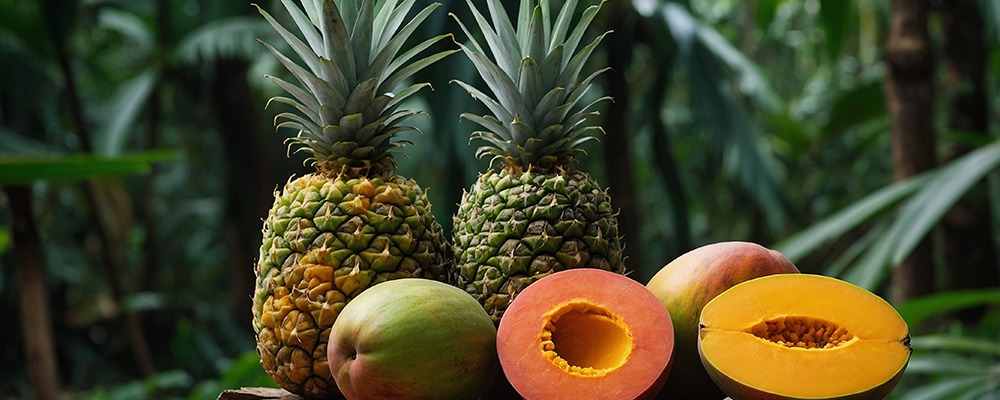
Papain is a proteolytic enzyme extracted from the latex of the papaya plant (Carica papaya), while Bromelain is derived from the pineapple plant (Ananas comosus). Both are known for their ability to break down proteins, which makes them ideal for specific phases of leather processing where protein degradation is necessary.
What sets these enzymes apart is their specificity and mildness. Unlike conventional chemicals that indiscriminately affect the hide structure, Papain and Bromelain act precisely on unwanted proteins without damaging the collagen matrix. This results in higher-quality leather, reduced chemical load and less environmental pollution.
Applications in Leather Processing
- Soaking and Rehydration
Raw hides, especially salted ones, require thorough rehydration before any further treatment. Enzymes like Papain can accelerate this stage by breaking down globular proteins and dirt that interfere with water absorption. The result is faster, more uniform soaking and a cleaner base for subsequent steps.
- Dehairing
Traditionally, dehairing involves the use of sodium sulphide, which produces hydrogen sulphide gas, a toxic air pollutant. Enzymatic dehairing using Bromelain offers a safer and more sustainable alternative. Bromelain works on the protein structures anchoring the hair to the hide, allowing for easy removal without compromising the hide’s integrity.
Some processors also use a combination of Papain and Bromelain to enhance efficiency. This blend enables complete and gentle dehairing, leaving the grain layer of the hide intact and reducing the risk of over-processing.
- Bating
Bating is the step where residual non-collagenous proteins and unwanted tissue materials are removed to improve the softness and pliability of the leather. Papain is particularly effective in this phase. It acts gently on the surface, loosening scud and enhancing grain quality. The use of enzymes in bating also helps improve the dye uptake during the finishing process.
Benefits of Enzyme-Based Leather Processing
The use of Papain and Bromelain offers a wide range of advantages, both from an operational and environmental perspective.
- Reduced Environmental Impact
Enzymes are biodegradable and non-toxic. They do not generate hazardous residues, resulting in cleaner effluents and easier waste management. The biological oxygen demand (BOD) and chemical oxygen demand (COD) of enzyme-treated effluents are significantly lower than those of chemically treated ones. - Energy Efficiency
Most enzyme-based processes operate at moderate temperatures and neutral pH levels. This means less energy consumption for heating and pH correction, translating to cost savings and a smaller carbon footprint. - Improved Leather Quality
Because of their targeted action, enzymes preserve the hide’s natural structure. This leads to better tensile strength, a finer grain, and improved dye penetration. The end result is a superior leather product. - Safer Working Conditions
Replacing harsh chemicals with enzymes reduces worker exposure to harmful substances. This leads to a safer workplace, fewer health risks, and improved compliance with occupational safety regulations. - Simplified Process Management
Enzymes can often reduce the number of steps in leather processing. For example, enzymatic dehairing and bating can sometimes be combined, saving time and simplifying logistics on the production floor.
Technical Considerations and Challenges
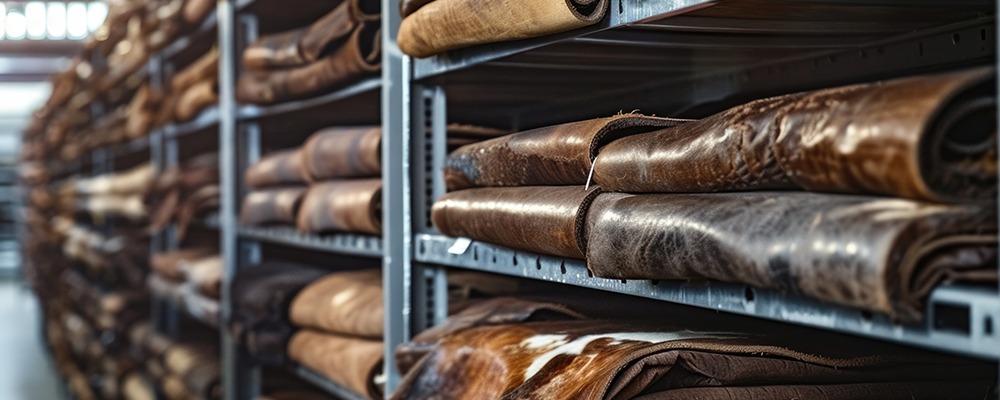
While enzyme-based processing holds great promise, it is not without challenges. Enzymes like Papain and Bromelain are sensitive to temperature, pH and processing time. If not properly controlled, the activity levels may fluctuate, leading to inconsistent results.
Another consideration is cost. Enzymes may appear more expensive than traditional chemicals on a per-kilo basis. However, their higher efficiency, reduced water and energy requirements, and lower waste treatment costs often balance out the initial investment.
Innovations such as immobilised enzyme systems are helping to address these challenges. By fixing enzymes onto solid supports, their stability and reusability improve, making them more economical and reliable in industrial settings.
Future Potential
The future of leather processing lies in smarter, cleaner and more responsible manufacturing. As research in biotechnology advances, we can expect to see even more refined enzyme blends tailored to specific leather types and processing conditions.
The adoption of plant-based enzymes also aligns with broader global efforts to promote renewable resources and reduce dependence on petroleum-derived chemicals. For environmentally conscious consumers, enzymes such as Papain and Bromelain represent the future of responsible leather production.
Conclusion
The use of Papain and Bromelain in leather processing is a significant step towards creating a cleaner, safer and more sustainable leather industry. These natural enzymes not only reduce environmental damage but also improve product quality and workplace safety. Their ability to replace harmful chemicals in key processing stages marks a shift in how we think about industrial manufacturing.
At Biolaxi Enzymes Pvt Ltd, we are proud to support this transformation with our high-quality, customised enzyme formulations for the leather industry. With over 14 years of experience and a strong commitment to sustainability, Biolaxi is your trusted partner in delivering efficient, eco-safe solutions powered by the best of nature and science.