
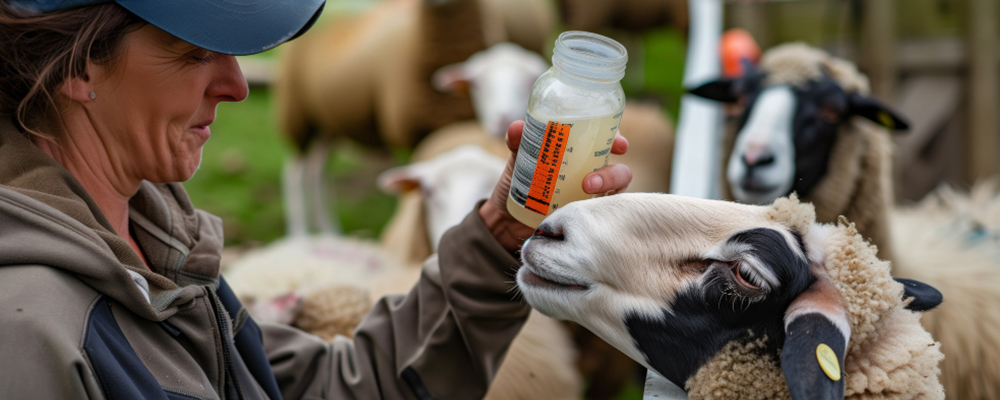
Modern animal nutrition is undergoing a significant transformation as producers, nutritionists and veterinarians place increasing emphasis on gut health as the foundation of animal performance. Productivity, feed efficiency, immunity and overall wellbeing are now closely linked to the health of the gastrointestinal tract. In this evolving landscape, enzymes have emerged as powerful nutritional tools, fundamentally changing how animal diets are formulated and how livestock performance is optimised.
Rather than acting as simple feed additives, enzymes play an active role in improving digestion, nutrient availability and microbial balance within the gut. Their use is becoming essential across poultry, ruminant, swine and aquaculture sectors as producers seek sustainable, antibiotic free and performance driven solutions.
The Central Role of Gut Health in Animal Performance
The gastrointestinal tract is more than a digestive organ. It is a complex biological system responsible for nutrient absorption, immune defence and interaction with beneficial and harmful microbes. Poor gut health often leads to reduced feed intake, inefficient nutrient utilisation, slower growth rates and increased susceptibility to disease.
In intensive animal production systems, stress factors such as diet changes, high stocking density and environmental challenges can compromise gut integrity. Supporting digestive efficiency and microbial stability has therefore become a priority. Enzymes address these challenges by improving how feed components are broken down and utilised.
Limitations of Conventional Feed Digestion
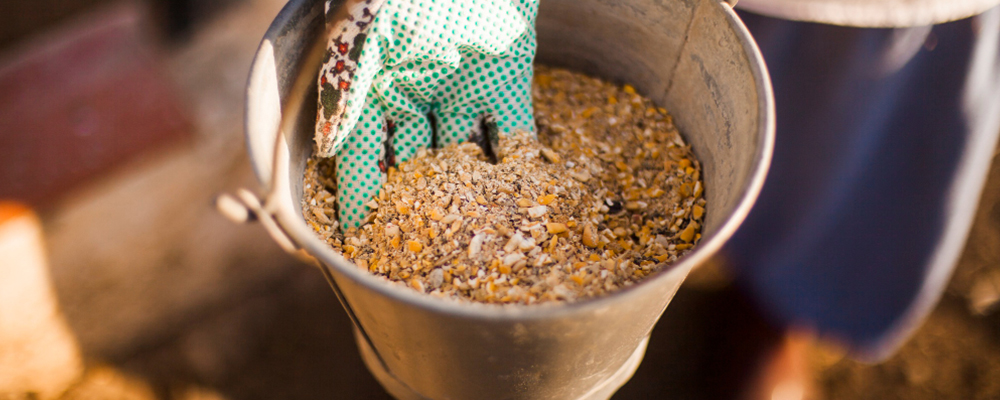
Many feed ingredients used in animal nutrition contain complex carbohydrates, fibre fractions and anti nutritional factors that animals cannot fully digest on their own. Components such as non starch polysaccharides, phytates and certain proteins reduce nutrient availability and interfere with digestion.
When these compounds pass undigested into the lower gut, they can promote the growth of undesirable microbes, leading to inflammation and poor feed conversion. Traditional approaches relied heavily on antibiotics and growth promoters to manage these issues. However, regulatory restrictions and consumer demand for residue free animal products have driven the search for alternative solutions.
Enzymes as Targeted Digestive Enhancers
Feed enzymes act by breaking down specific components of the diet that animals struggle to digest. Carbohydrase enzymes degrade complex fibres, proteases enhance protein digestion and phytases release bound minerals such as phosphorus.
By improving the digestibility of feed, enzymes increase the availability of energy, amino acids and micronutrients. This allows animals to extract more value from the same quantity of feed, directly improving feed conversion ratios and growth performance.
Improving Gut Microbial Balance
A balanced gut microbiome is essential for optimal animal health. Undigested feed components often serve as substrates for harmful bacteria, disrupting microbial equilibrium. Enzymes reduce this risk by limiting the amount of undigested material reaching the hindgut.
As digestion improves, beneficial microbial populations are supported, while pathogenic bacteria are deprived of excess nutrients. This contributes to better gut integrity, reduced incidence of digestive disorders and enhanced immune response.
Enhancing Feed Efficiency and Economic Returns
Feed represents the largest cost in animal production. Even marginal improvements in feed efficiency can have a significant economic impact. Enzymes help maximise nutrient utilisation, allowing for more flexible feed formulations and reduced reliance on expensive raw materials.
By unlocking nutrients trapped within plant based ingredients, enzymes enable nutritionists to optimise diets without compromising performance. This is particularly valuable in regions where feed ingredient quality and availability can fluctuate.
Supporting Antibiotic Reduction Strategies
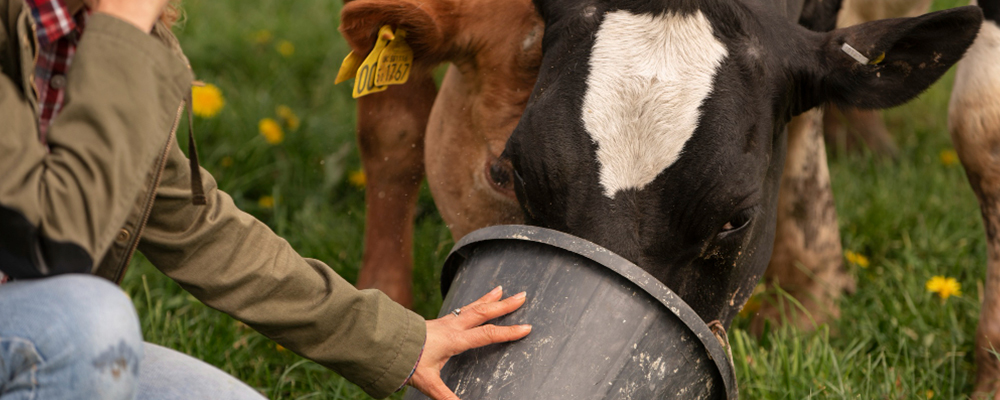
Global efforts to reduce antibiotic usage in animal agriculture have intensified. Enzymes support these strategies by promoting gut health naturally. Improved digestion and microbial balance reduce the incidence of gut related diseases, lowering the need for therapeutic interventions.
Healthier animals with stronger digestive systems are more resilient to stress and infection. Enzymes therefore play a crucial role in sustainable livestock production systems that prioritise animal welfare and food safety.
Enzymes in Different Animal Production Systems
The benefits of enzymes extend across species. In poultry, enzymes improve nutrient absorption and litter quality. In ruminants, they enhance fibre degradation and feed efficiency. In swine, enzymes support gut development and growth performance, particularly during early life stages.
Aquaculture systems also benefit from enzymes that improve feed digestibility and reduce nutrient waste, contributing to better water quality and sustainable production.
The Future of Enzyme Based Nutrition
Advancements in enzyme formulation and delivery are expanding their effectiveness under varying feed and environmental conditions. Multi enzyme complexes and tailored solutions are enabling more precise nutritional interventions.
As research into gut microbiota and animal nutrition deepens, enzymes will continue to play a central role in improving productivity while meeting sustainability and regulatory expectations.
Conclusion
Enzymes are redefining how animal nutrition addresses gut health and performance. By enhancing digestion, improving microbial balance and supporting efficient nutrient utilisation, they provide a scientifically sound and sustainable alternative to traditional growth promoters. Their role in modern animal production is no longer supplementary but foundational.
Within this context, Biolaxi Enzymes contributes to advancing enzyme based nutritional solutions that support healthier gut function, improved performance and dependable outcomes across diverse animal production systems through scientific expertise, customised formulations and consistent quality delivery.