
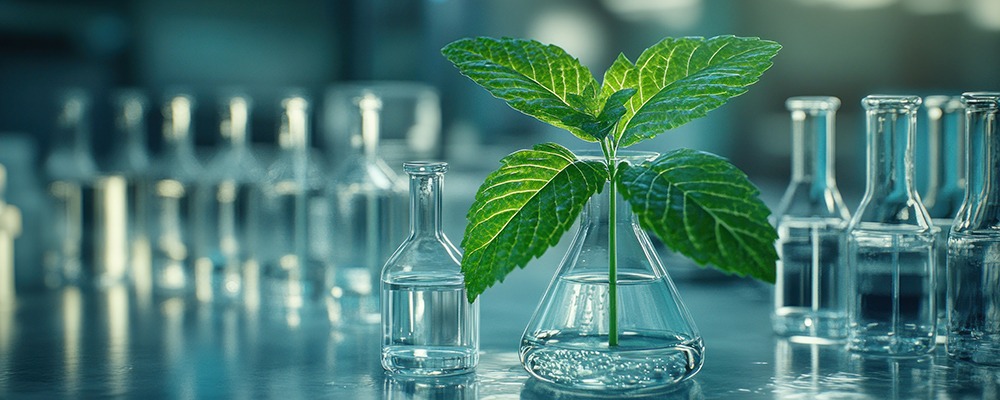
India’s pharmaceutical industry is at a defining crossroads. As global markets demand not only efficacy and affordability but also environmental responsibility, Indian pharma laboratories are rethinking the fundamentals of chemical synthesis. Sustainability is no longer an optional initiative but a strategic necessity. Among the most influential tools driving this transition are enzymes, which are enabling greener, safer and more efficient synthesis routes across pharmaceutical research and manufacturing.
Enzyme based processes are steadily replacing conventional chemical methods, not as experimental alternatives but as industrially viable solutions. From active pharmaceutical ingredient production to intermediate synthesis, enzymes are reshaping how Indian pharma labs approach chemistry with a strong focus on environmental stewardship.
The Environmental Cost of Traditional Pharma Synthesis
Conventional pharmaceutical synthesis has historically depended on high temperatures, strong acids or bases, heavy metal catalysts and multiple reaction steps. While effective, these methods often generate significant chemical waste, consume large volumes of energy and rely on hazardous solvents. Effluent treatment, solvent recovery and emissions management have become major operational and regulatory challenges for pharma manufacturers.
In India, where environmental regulations are tightening and water and energy resources are under increasing pressure, the limitations of traditional synthesis routes are particularly evident. Reducing waste at the source rather than treating it downstream has become a critical objective. This is where enzymes offer a fundamentally different approach.
Enzymes as Nature’s Precision Catalysts
Enzymes are biological catalysts that accelerate chemical reactions with remarkable specificity. Unlike conventional catalysts, enzymes function efficiently under mild conditions such as ambient temperatures, atmospheric pressure and neutral pH. This immediately reduces energy consumption and lowers the risk associated with extreme operating conditions.
The precision of enzymes allows reactions to proceed with minimal side products. High stereo selectivity and regio selectivity are especially valuable in pharmaceutical synthesis, where molecular structure directly affects drug efficacy and safety. This level of control is difficult and often costly to achieve through purely chemical means.
Reducing Waste Through Selective Reactions
One of the most compelling advantages of enzymatic synthesis is waste reduction. Traditional multi step reactions frequently generate unwanted by products that require extensive purification. These purification steps consume solvents, water and time, contributing significantly to the environmental footprint of the process.
Enzymes minimise these inefficiencies by directing reactions toward the desired product with high yield. Cleaner reactions mean fewer purification stages, lower solvent usage and reduced effluent generation. For Indian pharma labs operating at scale, this translates into measurable reductions in waste handling costs and environmental impact.
Lower Energy Consumption and Carbon Footprint
Energy efficiency is a key pillar of green chemistry. Many chemical reactions require prolonged heating or cooling, placing a heavy load on energy infrastructure. Enzymatic reactions typically proceed at moderate temperatures, significantly lowering energy demand.
In India, where energy costs directly influence manufacturing competitiveness, this reduction has both environmental and economic benefits. Lower energy usage also contributes to reduced greenhouse gas emissions, supporting corporate sustainability goals and global climate commitments.
Eliminating Hazardous Chemicals and Metal Catalysts
Several conventional synthesis routes depend on toxic metal catalysts and corrosive reagents. These substances pose risks to personnel, complicate waste disposal and attract regulatory scrutiny. Enzyme based processes often eliminate the need for such materials altogether.
Most enzymes are biodegradable and non toxic, improving workplace safety and simplifying compliance with environmental and occupational health standards. The shift away from heavy metals is particularly relevant as global regulators increasingly monitor trace contaminants in pharmaceutical products.
The Role of Immobilised Enzymes in Industrial Scale Processes
Advancements in enzyme immobilisation have significantly expanded their industrial applicability. Immobilised enzymes are fixed onto solid supports, allowing them to be reused across multiple reaction cycles. This improves operational stability, enhances process control and reduces overall enzyme consumption.
For Indian pharma labs, immobilised enzymes support continuous and semi continuous manufacturing models, aligning with modern process intensification strategies. The result is greater consistency, improved throughput and stronger economic viability for enzymatic routes.
Supporting Regulatory Compliance and Product Quality

Regulatory expectations for pharmaceutical manufacturing are becoming more stringent, particularly for exports to regulated markets. Enzymatic processes support compliance by offering reproducibility, controlled impurity profiles and simplified validation.
Because enzymes operate with high specificity, the risk of forming structurally similar impurities is reduced. This makes quality assurance more predictable and supports robust documentation, an essential requirement in regulated pharmaceutical environments.
Enabling Innovation in Indian Pharma Research
Beyond manufacturing, enzymes are influencing research and development practices in Indian pharma labs. They enable novel synthesis pathways that may not be feasible through traditional chemistry. This opens opportunities for process innovation, cost reduction and faster development timelines.
As enzyme engineering and formulation technologies continue to evolve, their applicability across diverse pharmaceutical reactions is expanding. Indian labs that invest early in enzymatic expertise are positioning themselves for long term competitiveness.
Conclusion
The move towards greener synthesis in Indian pharmaceutical laboratories reflects a broader transformation in how the industry defines efficiency, responsibility and innovation. Enzymes have emerged as powerful enablers of this shift by reducing waste, lowering energy consumption, improving safety and supporting regulatory compliance. Their integration into pharma synthesis is no longer experimental but increasingly essential for sustainable growth.
Within this evolving landscape, Biolaxi Enzymes contributes to advancing enzyme driven solutions that support environmentally responsible pharmaceutical synthesis, combining scientific rigour, engineering expertise and customised formulations to meet the growing demand for greener and more efficient processes in Indian pharma labs.