In the modern feed industry, one of the greatest challenges lies in making the most of what we already have. With rising raw material costs, fluctuating availability, and growing environmental concerns, nutritionists and feed formulators are under constant pressure to extract maximum nutritional value from every ingredient. This is particularly relevant when working with low-grade or unconventional feedstocks materials that are often abundant but limited by anti-nutritional factors, poor digestibility, or nutrient availability. Fortunately, biotechnology offers an elegant solution: enzymes. More specifically, synergistic enzyme combinations that unlock the true potential of feed ingredients, transforming low-grade inputs into high-value nutrition.
Understanding the Power of Enzyme Synergy
Enzymes are biological catalysts that accelerate specific biochemical reactions. In animal nutrition, they play a crucial role in breaking down complex feed components into simpler, absorbable forms. While individual enzymes such as proteases, amylases, or cellulases deliver substantial benefits on their own, their true transformative power emerges when used in combination. This phenomenon, known as enzyme synergy, occurs when two or more enzymes work together to enhance each other’s activity, leading to greater nutrient release than when used individually.
For instance, consider a feed ingredient rich in fibre and non-starch polysaccharides (NSPs) such as wheat bran. Alone, a xylanase enzyme might partially break down arabinoxylans, improving digestibility. But when combined with β-glucanase and cellulase, the entire fibre matrix becomes more accessible, liberating trapped nutrients and improving gut health. Similarly, combining protease and phytase not only enhances protein digestibility but also releases bound phosphorus, calcium, and trace minerals creating a ripple effect of nutritional improvement.
Turning Limitations into Opportunities
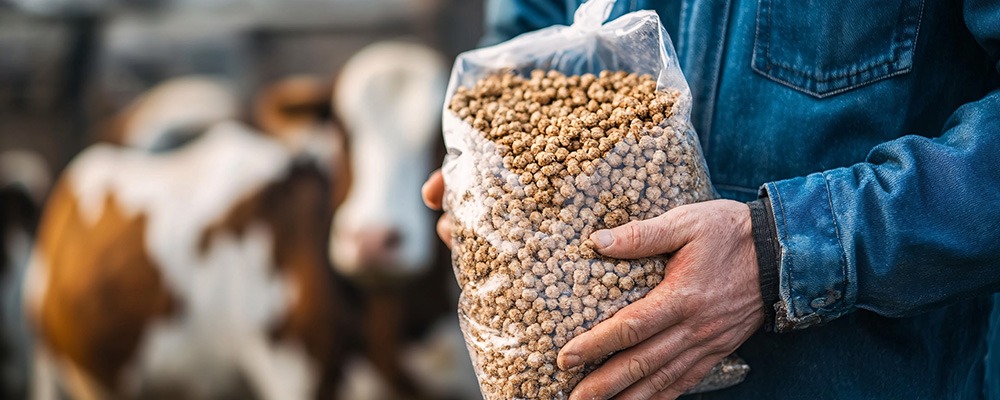
Low-grade feed ingredients such as rice bran, sunflower meal, or maize DDGS often contain valuable nutrients locked behind structural or chemical barriers. Their low digestibility and the presence of anti-nutritional factors like phytic acid, tannins, or complex polysaccharides limit their use in high-performance diets. However, with carefully designed enzyme blends, these limitations can be transformed into opportunities.
By targeting multiple substrates simultaneously, synergistic enzyme complexes dismantle complex feed matrices, reduce viscosity, and free bound nutrients. The result is improved feed efficiency, higher nutrient uptake, and reduced feed costs. Moreover, the use of enzyme synergies enables feed formulators to reduce dependence on premium raw materials without compromising performance, an essential advantage in today’s cost-sensitive and sustainability-driven feed industry.
Categories of Enzyme Synergies
1. Carbohydrase Complexes
Carbohydrases such as xylanases, β-glucanases, cellulases, and pectinases work together to break down non-starch polysaccharides. When combined, they improve energy availability and gut health by reducing digesta viscosity and enhancing the absorption of other nutrients.
2. Protease and Phytase Combinations
Protein in plant-based feed ingredients often binds to phytic acid, making it inaccessible to the animal. A protease-phytase combination addresses this dual challenge: protease releases protein from the feed matrix, while phytase breaks down phytic acid to release phosphorus and other minerals. The outcome is better protein utilisation, improved mineral availability, and reduced environmental phosphorus excretion.
3. Fibre-Degrading and Starch-Degrading Enzymes
In fibrous ingredients with residual starch, combining cellulases or hemicellulases with amylases ensures simultaneous breakdown of both fibre and starch fractions, maximising energy release. This synergy is particularly useful in cereal by-products and agro-industrial residues.
4. Multi-Substrate Enzyme Blends for Complex Feeds
In many low-grade ingredients, multiple substrates coexist fibre, starch, protein, and phytate. A holistic multi-enzyme formulation, incorporating carbohydrases, proteases, and phytases, creates a cascade of reactions that deliver comprehensive nutrient liberation and improve gut function.
Benefits Beyond Nutrition
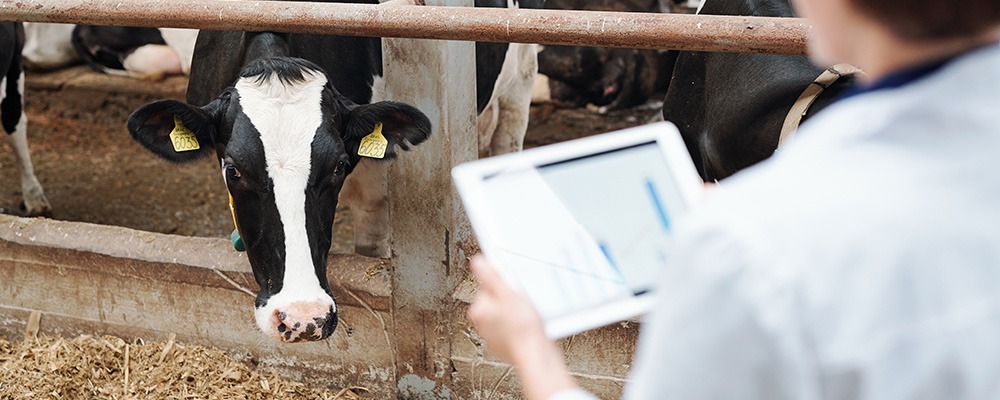
The advantages of enzyme synergies extend beyond improved nutrient availability. Animals fed with enzyme-enhanced diets often show better gut morphology, improved immunity, and reduced pathogen load due to lower undigested nutrients in the intestinal tract. Additionally, enhanced digestibility leads to lower feed conversion ratios (FCR) and reduced environmental impact, as fewer nutrients are excreted in manure.
Furthermore, enzyme synergy supports formulation flexibility, allowing nutritionists to utilise a broader range of local or low-cost raw materials. This not only helps in reducing feed cost but also supports regional agriculture and circular economy practices. By converting agricultural by-products into valuable feed components, enzyme technology plays a crucial role in promoting resource efficiency and sustainability.
R&D and Precision Formulation
Achieving true enzyme synergy requires more than simply blending random enzymes together. Each enzyme must be selected based on its substrate specificity, optimal pH, and temperature stability to ensure compatibility with other components in the feed and digestive tract. Advanced R&D, backed by scientific and engineering expertise, is therefore essential in developing tailored enzyme complexes suited for specific feed compositions and animal species.
Innovative formulations today rely on silico modelling, enzyme kinetics studies, and pilot-scale feed trials to validate synergy and ensure consistent performance under commercial conditions. The ultimate goal is to create enzyme systems that not only perform in laboratory conditions but deliver measurable improvements in the field.
The Road Ahead
As the global feed industry moves towards sustainable intensification, enzyme synergies are set to play an increasingly pivotal role. They offer a powerful means to extract more nutrition from less, turning limitations into competitive advantages. By bridging the gap between science and practice, enzyme technologies empower farmers, nutritionists, and feed producers to build efficient, eco-friendly, and resilient value chains.
The adoption of synergistic enzyme systems also aligns perfectly with global sustainability goals reducing waste, conserving resources, and lowering the carbon footprint of livestock production. In essence, enzyme synergy is not merely a feed additive strategy but a cornerstone of the future of animal nutrition.
Conclusion
The transformation of low-grade feed into high-value nutrition is a scientific art made possible through the intelligent use of synergistic enzyme systems. By leveraging the complementary actions of carbohydrases, proteases, phytases, and other enzyme classes, feed suppliers can unlock nutrients, enhance digestibility, and elevate animal performance all while supporting cost efficiency and environmental stewardship. This synergy-driven approach ensures that even the most challenging feedstocks can be harnessed to deliver consistent quality and productivity in animal diets.
With over 14 years of experience, Biolaxi Enzymes Pvt. Ltd. stands as a trusted partner in crafting high-quality, customised enzyme solutions for diverse industries. Through state-of-the-art R&D, eco-safe formulations, and a strong commitment to innovation, Biolaxi continues to empower feed suppliers worldwide in their pursuit of excellence transforming possibilities into performance with every formulation.