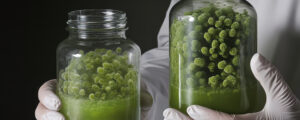
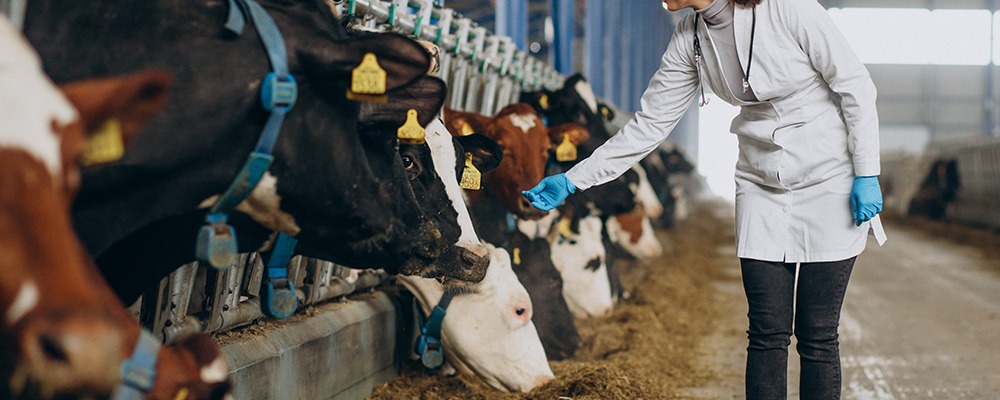
In modern animal nutrition, efficiency and sustainability are more critical than ever before. With the growing demand for meat, dairy, and poultry products, farmers and feed manufacturers are constantly looking for ways to optimise feed utilisation while maintaining animal health. Enzymes have emerged as powerful allies in this endeavour, offering natural and effective solutions that improve digestibility, enhance nutrient absorption, and ultimately lead to healthier animals and more productive farms.
The Role of Enzymes in Animal Nutrition
Enzymes are biological catalysts that speed up chemical reactions, helping animals break down complex feed components into simpler, absorbable forms. Traditional feed ingredients such as cereals, legumes, and oilseeds contain fibres, starches, and proteins that are not always fully digestible by animals. Without assistance, a significant proportion of nutrients passes through the digestive tract unused, leading to both wastage and higher feeding costs.
Supplementing feed with specific enzymes targets these indigestible components. For example, cellulases break down plant cell walls, proteases help with protein hydrolysis, and amylases support starch digestion. The result is a higher release of energy and nutrients, reducing the burden on the digestive system while ensuring animals gain maximum value from every meal.
Enzymes and Improved Digestibility
One of the most significant advantages of feed enzymes is their ability to unlock the nutritional potential of feed ingredients. Non-starch polysaccharides (NSPs), present in common cereals such as wheat, barley, and rye, often hinder digestibility by forming viscous solutions in the gut. Enzymes like xylanases and beta-glucanases effectively degrade these NSPs, improving nutrient release and reducing gut viscosity.
Similarly, phytases address the issue of phytic acid, a natural compound found in plant seeds that binds essential minerals such as calcium, phosphorus, zinc, and iron. By breaking down phytic acid, phytases free these minerals, allowing animals to absorb and utilise them more efficiently. This not only improves growth and bone health but also decreases the need for inorganic supplements, thereby lowering costs.
Supporting Animal Health
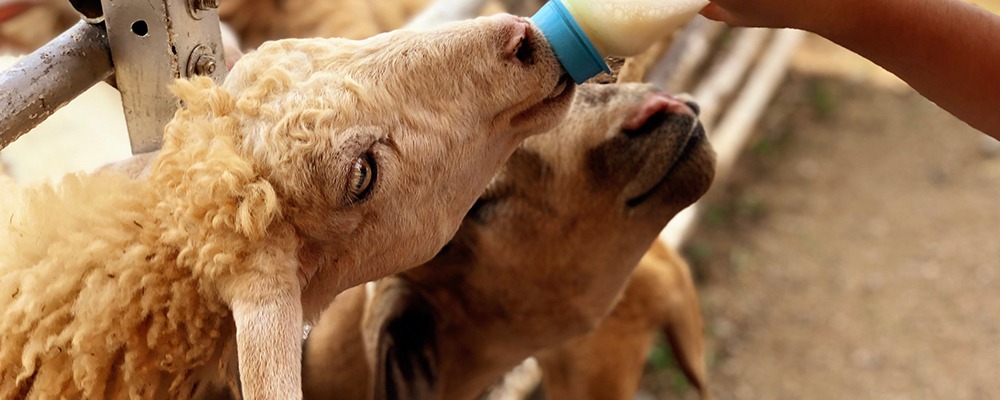
Enhanced digestibility goes beyond improving nutrient availability; it directly impacts animal health. Poorly digested feed can lead to gut imbalances, fermentation of undigested materials, and the growth of harmful bacteria. By ensuring that nutrients are broken down efficiently and absorbed effectively, enzymes contribute to a healthier gut environment.
A stable gut microbiota supports stronger immunity and lowers the incidence of digestive disorders. For instance, in poultry, the use of feed enzymes has been shown to reduce wet litter problems by improving nutrient absorption and decreasing the passage of undigested proteins into the lower gut. In livestock such as cattle and pigs, enzyme supplementation is associated with better feed conversion ratios, reduced bloating, and improved overall wellbeing.
Productivity Gains Through Enzyme Use
The link between animal health and productivity is undeniable. Healthy animals with optimised digestion are more efficient in converting feed into body weight, milk, or eggs. Improved feed efficiency directly translates to higher productivity per unit of feed, which is vital in today’s competitive livestock industry.
For poultry producers, enzyme-enhanced diets often result in improved weight gain, feed conversion ratios, and egg quality. In dairy cattle, better nutrient absorption contributes to higher milk yields and improved reproductive performance. In swine, enhanced digestibility reduces diarrhoea incidence and leads to more consistent growth rates across herds.
Moreover, the economic benefits are clear. Farmers can achieve more with less feed, reducing input costs while maintaining or even improving performance. This also contributes to sustainability by decreasing the environmental impact of livestock farming, as less undigested feed means lower nutrient excretion and reduced pollution.
Enzymes and Sustainability in Livestock Farming
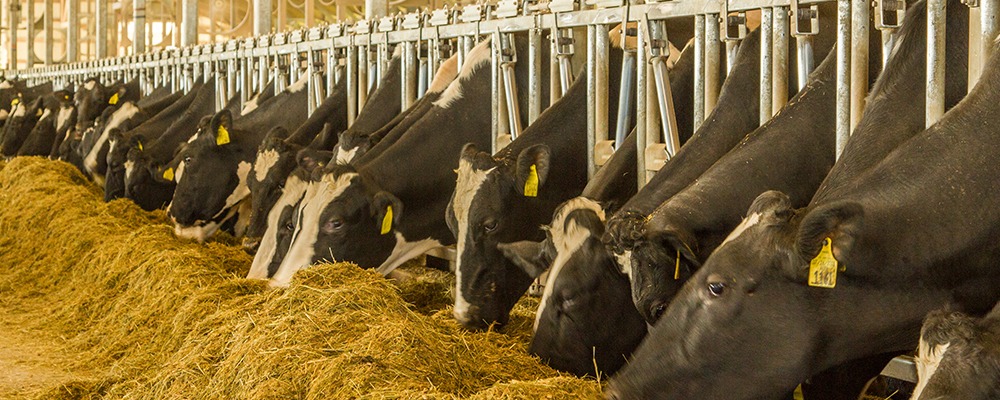
The role of enzymes in promoting sustainable livestock farming cannot be overlooked. By improving digestibility and nutrient utilisation, enzymes reduce the overall amount of feed required to produce the same level of output. This helps conserve valuable natural resources, including land and water, which are increasingly under pressure from global demand.
Additionally, better feed efficiency lowers the volume of manure and nutrient waste released into the environment. Phytase enzymes, for example, reduce phosphorus excretion by making the mineral more bioavailable. This prevents the contamination of soil and water bodies, which is a growing concern in intensive farming regions. Enzymes, therefore, not only support animal health and productivity but also align with global goals for environmentally responsible agriculture.
The Science Behind Tailored Enzyme Solutions
Advancements in biotechnology and enzyme engineering are making it possible to design highly specific enzyme formulations tailored to the unique digestive systems of different species. For instance, poultry, pigs, and ruminants each have distinct dietary needs and digestive challenges. Custom enzyme blends take these differences into account, ensuring maximum efficacy.
Scientific research and field trials continually demonstrate the advantages of tailored enzyme formulations. They allow producers to incorporate a wider variety of raw materials into feed while maintaining consistency in performance. This flexibility can be especially valuable in regions where feed ingredient availability varies due to seasonal changes or price fluctuations.
The Future of Enzyme Use in Animal Nutrition
Looking ahead, enzymes are poised to play an even greater role in animal nutrition. As pressure increases on the livestock industry to reduce its environmental footprint while meeting the nutritional needs of a growing population, enzyme technology offers a path forward. Future innovations may include multi-functional enzymes that work across a broader spectrum of feed components or synergistic combinations with probiotics and prebiotics for holistic gut health solutions.
Furthermore, consumer demand for natural, safe, and residue-free animal products is rising. Enzymes, being natural proteins, are well-positioned to support this trend. Their ability to reduce the reliance on synthetic additives and antibiotics makes them a promising tool for the future of sustainable animal farming.
Conclusion
The use of enzymes in animal feed is transforming the way livestock are nourished. By improving digestibility, they unlock nutrients that would otherwise remain inaccessible, supporting better health, enhanced productivity, and lower costs. They also contribute significantly to sustainability by reducing resource wastage and environmental impact. For farmers and feed manufacturers, enzymes are more than just additives; they are strategic tools that bring efficiency and balance to modern animal nutrition.
At Biolaxi Enzymes Pvt Ltd, we recognise the importance of enzyme-enhanced digestibility in shaping the future of animal health and productivity. With more than 14 years of experience in developing innovative and eco-safe enzyme formulations, we are committed to delivering customised solutions that meet the unique needs of our partners across the globe. Through our high-quality products, technical expertise, and dedication to sustainability, we continue to support the livestock industry in achieving excellence.