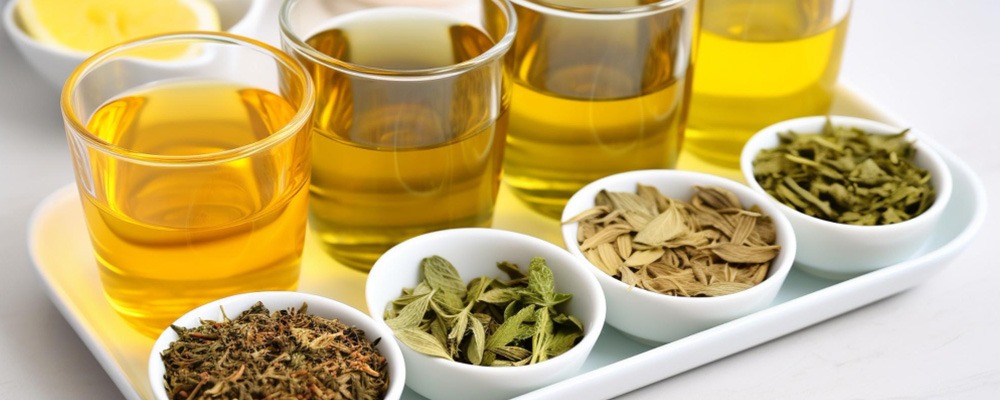
Tea has long been celebrated as a beverage of balance soothing yet invigorating, simple yet complex. Beyond its calming aroma and comforting warmth lies a treasure trove of antioxidants, chiefly catechins, theaflavins, and thearubigins, which play a vital role in promoting health and wellbeing. These compounds are nature’s own protectors, known to combat oxidative stress, support cardiovascular health, and strengthen the immune system. Yet, the journey from leaf to cup is delicate. The challenge lies in preserving these beneficial antioxidants during tea processing, where temperature, oxidation, and enzymatic activity intersect.
In recent years, enzyme science has emerged as a game-changer in the tea industry, helping producers retain the natural goodness of tea while enhancing flavour, aroma, and clarity. Through precise enzymatic interventions, it is now possible to strike the right balance between oxidation and preservation ensuring that every sip delivers not only sensory satisfaction but also superior nutritional value.
The Role of Antioxidants in Tea
Antioxidants are the cornerstone of tea’s health-promoting properties. In green teas, catechins such as epigallocatechin gallate (EGCG) dominate, while in black teas, these catechins undergo enzymatic oxidation to form theaflavins and thearubigins compounds that contribute to the tea’s colour, briskness, and depth of flavour. Each antioxidant has a distinct role to play. Catechins are prized for their anti-inflammatory potential, while theaflavins are linked to cholesterol management and improved heart health. The retention and transformation of these antioxidants depend heavily on how tea leaves are handled, processed, and treated.
During tea manufacturing, enzymatic reactions are not merely chemical occurrences; they are the very essence of tea’s transformation. The key is to manage them wisely. If oxidation is too aggressive, valuable catechins may be degraded, diminishing the antioxidant content. On the other hand, insufficient oxidation may result in teas lacking body or complexity. Thus, the delicate orchestration of enzymes determines the final cup’s nutritional and sensory profile.
Enzymatic Control: The Science Behind the Brew
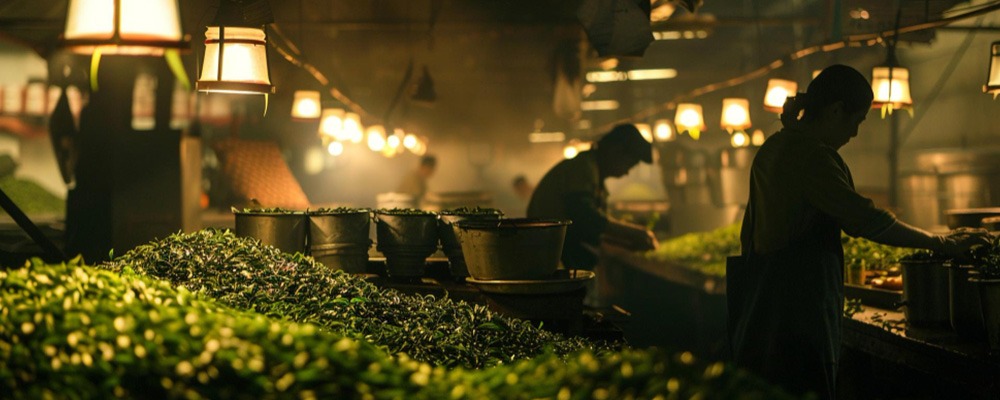
Tea leaves naturally contain several enzymes, including polyphenol oxidase (PPO) and peroxidase (POD), which influence the oxidation process. Polyphenol oxidase is particularly significant in converting catechins into theaflavins and thearubigins during fermentation. The careful regulation of this enzyme’s activity allows producers to control not just flavour and colour, but also antioxidant retention.
Modern enzyme technology now enables processors to fine-tune these reactions with greater precision. By introducing specific enzymatic formulations, it becomes possible to optimise oxidation without compromising antioxidant integrity. For instance, selective inhibition of PPO activity can prevent over-oxidation, ensuring a balanced conversion of catechins while retaining sufficient antioxidant capacity.
Furthermore, enzymes such as cellulases and pectinases play a complementary role. They assist in cell wall breakdown, releasing bound phenolic compounds that would otherwise remain inaccessible. This controlled release enhances both antioxidant availability and extractability, improving the final brew’s richness. The result is a cup that is not only full-bodied but also brimming with bioactive compounds that deliver tangible health benefits.
Balancing Flavour, Function, and Freshness
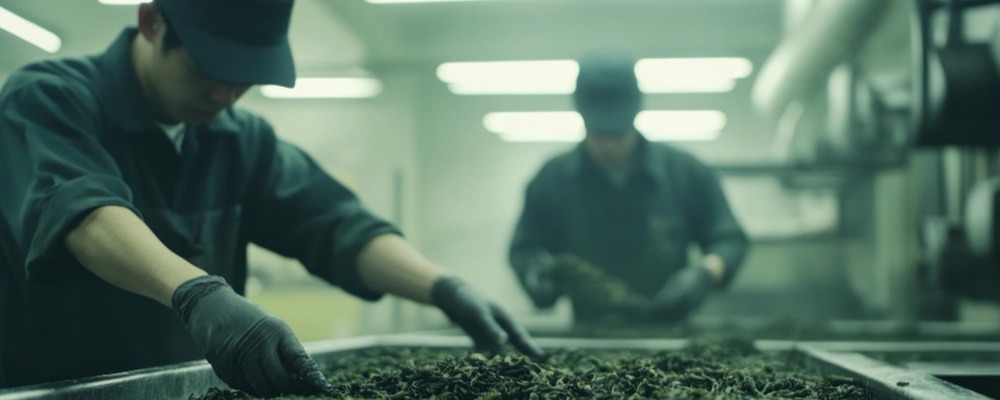
While antioxidant retention is vital, the sensory experience remains central to tea appreciation. Enzymatic processes offer a dual advantage here. Controlled oxidation brings out nuanced flavours, from the floral and grassy notes of green teas to the malty, robust tones of black teas. Simultaneously, enzymes aid in reducing bitterness and astringency by modulating phenolic composition.
In the production of speciality teas, such as oolong or white teas, this fine-tuning becomes even more critical. These teas thrive on balanced partial oxidation, gentle flavour development, and preservation of antioxidants. With the help of tailored enzymatic systems, tea masters can achieve this equilibrium consistently, batch after batch.
Moreover, enzymatic treatment has proven beneficial for ready-to-drink (RTD) teas, which are prone to haze formation and loss of clarity due to phenolic interactions. Pectinases and tannases help stabilise these beverages by reducing turbidity, allowing the drink to maintain visual appeal while safeguarding its antioxidant potency.
Sustainability and Innovation Through Enzymes
Beyond product quality, enzyme application contributes to sustainability in tea manufacturing. Conventional methods of controlling oxidation or clarifying beverages often rely on chemical agents or high energy inputs. In contrast, enzymes operate under mild conditions and are biodegradable, offering an eco-safe alternative. This aligns with the global movement towards greener, cleaner processing technologies that minimise environmental impact while enhancing product value.
Furthermore, enzymes support the utilisation of by-products in the tea industry. Spent leaves and processing residues, rich in polyphenols, can be enzymatically treated to extract antioxidants for use in nutraceuticals or functional foods. This not only maximises resource efficiency but also opens new avenues for value addition and circular economy practices.
The Future of Enzyme-Assisted Tea Processing
As consumer awareness of functional foods grows, the demand for teas with high antioxidant value is poised to rise. The integration of enzyme technology into tea processing will continue to evolve, supported by advances in biotechnology and precision fermentation. Custom enzyme blends tailored to specific tea varieties and desired attributes will redefine what is possible in flavour, health benefits, and shelf-life enhancement.
Moreover, coupling enzyme science with data-driven insights such as monitoring oxidation kinetics and phenolic profiles in real time will allow producers to achieve unprecedented consistency and quality. The synergy of tradition and innovation will thus shape the next chapter of tea craftsmanship.
Conclusion
Tea is more than a beverage; it is an art form where science meets tradition. At the heart of this artistry lies the mastery of balance between oxidation and preservation, flavour and nutrition, nature and technology. Enzymes serve as the invisible artisans in this journey, helping tea makers retain antioxidants, refine taste, and uphold the purity of the brew. Their silent yet powerful role ensures that every cup embodies wellness, sophistication, and sustainability.
At Biolaxi Enzymes Pvt. Ltd., we understand the significance of this harmony. With our deep scientific and engineering expertise, we develop innovative enzyme formulations that empower tea producers to achieve exceptional quality while safeguarding nature’s finest antioxidants. Our eco-safe, high-performance solutions are designed to enhance every stage of processing, ensuring that fine teas across the world are not just delightful to taste, but rich in health-promoting potential.