
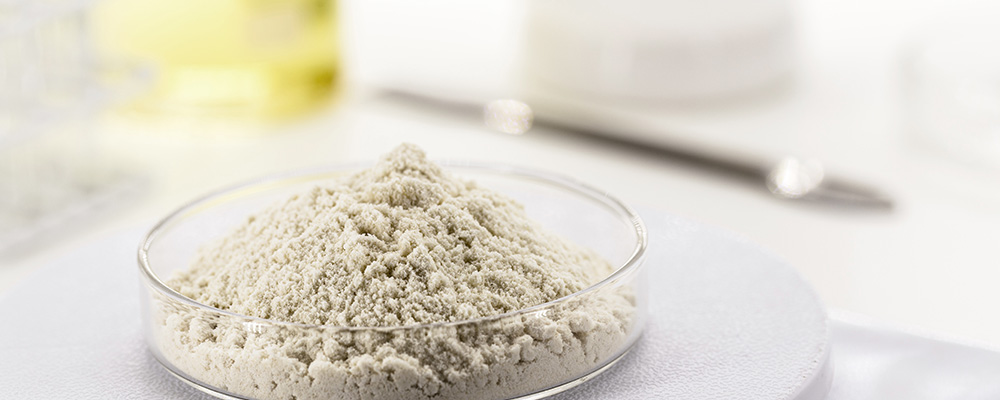
Starch processing is a cornerstone of the food, beverage, pharmaceutical and bioethanol industries. For decades, traditional conversion of starch into sugars and derivatives relied heavily on strong acids to hydrolyse starch molecules. While effective, these acid based methods carry significant safety, environmental and operational challenges. In recent years, starch processors in India and globally have increasingly turned to enzymatic solutions to replace acids, seeking safer, cleaner and more efficient conversion processes.
The shift from chemical to enzymatic starch processing is not merely a technological upgrade. It represents a broader commitment to sustainable manufacturing, reduced energy usage and enhanced product quality. Enzymes are emerging as reliable alternatives that balance operational efficiency with environmental responsibility.
The Limitations of Acid Hydrolysis
Acid hydrolysis involves treating starch with mineral acids such as hydrochloric or sulphuric acid at elevated temperatures. While this process effectively breaks down starch polymers into simpler sugars, it comes with several drawbacks. Firstly, handling strong acids poses serious occupational hazards, including burns, corrosive damage and toxic fume exposure. This requires specialised infrastructure, protective equipment and rigorous safety protocols, all of which increase operational costs.
Secondly, acid hydrolysis generates significant amounts of wastewater and by products. Neutralising acids before disposal produces additional salts, which can burden effluent treatment systems. In regions like India, where effluent management remains a logistical and regulatory challenge, the environmental impact of acid based processing is considerable.
Finally, acid hydrolysis offers limited selectivity, leading to partial degradation and the formation of unwanted by products. These side reactions often reduce yield and necessitate additional purification steps, further increasing costs and energy consumption.
Enzymes as Safe and Efficient Alternatives
Enzymes such as amylases, glucoamylases and pullulanases offer a safer, greener alternative to mineral acids. They catalyse the breakdown of starch under mild conditions, typically at moderate temperatures and near neutral pH. This eliminates the need for corrosive chemicals, high temperature operations and energy intensive neutralisation steps.
Enzymes operate with high specificity, targeting particular bonds in starch molecules. This precision reduces the formation of unwanted by products, increases yield and ensures consistent sugar profiles. For industries like beverage production or pharmaceutical excipient manufacturing, this selectivity translates directly into higher product quality and process efficiency.
Environmental Benefits of Enzymatic Conversion
Replacing acids with enzymes drastically reduces the environmental footprint of starch processing. Enzymatic reactions are water friendly and minimise chemical effluents. The reduced requirement for neutralisation chemicals lowers the total salt load in wastewater, easing pressure on effluent treatment facilities. Additionally, enzymes are biodegradable and non toxic, which further reduces environmental impact.
Energy savings are another key benefit. Acid hydrolysis requires prolonged heating to achieve full conversion, whereas enzymes function optimally under moderate temperatures. This not only reduces energy consumption but also lowers greenhouse gas emissions, supporting sustainability targets.
Enhancing Workplace Safety and Compliance
Workplace safety is a critical consideration in industrial starch processing. Handling concentrated acids involves significant risk and requires strict safety measures, including corrosion resistant equipment, protective clothing and extensive training. By contrast, enzymatic processes operate under safer conditions with minimal risk to personnel.
In addition to safety, enzymes simplify compliance with environmental and occupational regulations. Reduced chemical usage, lower effluent loads and safer handling conditions make enzymatic starch conversion easier to monitor, document and regulate. This is particularly advantageous for Indian manufacturers supplying both domestic and international markets, where compliance is a growing priority.
Operational Advantages and Cost Efficiency
While enzymes were once considered costly or delicate, modern formulations have addressed these concerns. Immobilised enzymes and robust liquid or powdered preparations enable repeated use and maintain high stability, even in industrial scale processes. When combined with reduced energy costs, lower chemical consumption and fewer purification steps, enzymatic starch conversion often proves more cost effective than traditional acid hydrolysis.
Additionally, enzymes allow greater flexibility in process design. Industrial starch processors can fine tune enzyme type, concentration and reaction conditions to achieve specific product characteristics, whether it is high maltose syrup, glucose syrup or specialty oligosaccharides. This adaptability enhances competitiveness and supports innovation.
Driving Consistency and Product Quality
Consistent quality is essential in starch based products, especially in applications such as beverages, confectionery and pharmaceuticals. Enzymes provide uniform conversion and predictable sugar profiles, minimising batch to batch variability. High reproducibility ensures that downstream processes, including fermentation, baking or syrup concentration, operate efficiently.
Moreover, enzymatic conversion reduces the formation of unwanted by products such as furfural or hydroxymethylfurfural, which can occur in acid hydrolysis. This improves the nutritional and sensory properties of food grade products, while ensuring pharmaceutical intermediates meet strict quality standards.
Technological Advancements Supporting Enzyme Adoption
The adoption of enzymes in starch processing has accelerated thanks to advancements in enzyme engineering and formulation. Protein engineering allows enzymes to be tailored for specific starch sources and process conditions, enhancing activity, stability and selectivity. Continuous research and development efforts have expanded the range of starch conversion reactions that can be performed enzymatically.
Indian starch processors are increasingly leveraging these innovations to optimise operations, reduce waste and improve product quality. As enzyme solutions become more accessible and cost competitive, the shift away from acids is gaining momentum across the industry.
Conclusion
The transition from acid hydrolysis to enzymatic starch conversion represents a major step forward for safer, more sustainable industrial practices. Enzymes offer unmatched benefits in terms of process efficiency, environmental stewardship, energy savings and workplace safety. By enabling precise, reproducible and high quality conversion, enzymes are helping starch processors meet the growing demands of both domestic and international markets while reducing operational and environmental risks.
In this context, Biolaxi Enzymes supports Indian starch processors with scientifically engineered enzyme formulations designed to replace acid based methods. Their solutions combine high quality, customised performance and technical expertise, enabling safer, cleaner and more efficient starch conversion for industries ranging from food and beverages to bioethanol and pharmaceuticals.