
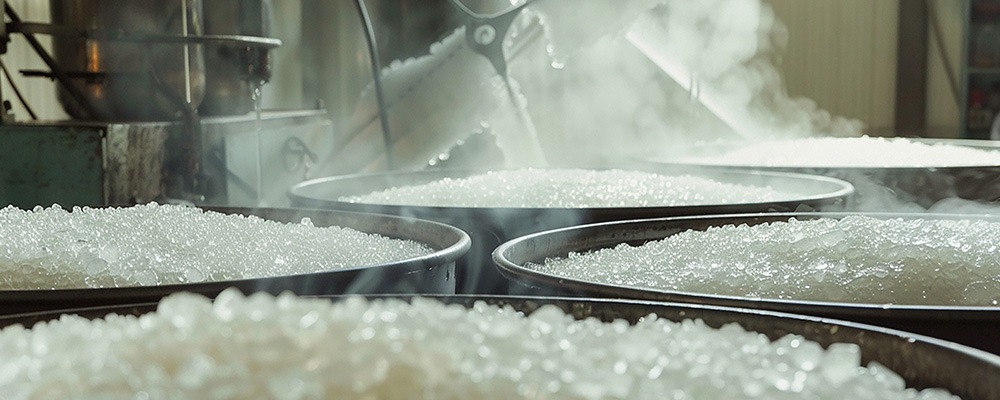
In the modern sugar industry, efficiency and sustainability go hand in hand. Every stage of sugar production is being re-evaluated to ensure better yield, improved clarity, and reduced environmental impact. One of the most critical steps in this process is juice clarification, the point where raw sugarcane juice is treated to remove impurities before crystallisation. Traditionally, this has been achieved through chemical clarifying agents and physical methods. However, as industries shift towards greener, safer, and more cost-effective alternatives, enzyme-based clarification has emerged as a revolutionary solution.
This innovative approach harnesses the power of natural biological catalysts to simplify the clarification process, improve product quality, and reduce operational costs. Let us explore how enzymes work in juice clarification and the significant benefits they bring to sugar mills worldwide.
The Role of Juice Clarification in Sugar Production
Before understanding the contribution of enzymes, it is vital to grasp why clarification is so important. Raw sugarcane juice, as extracted from the mills, contains a complex mixture of suspended solids, colloids, proteins, polysaccharides, starch, and pigments. These impurities, if not removed effectively, can interfere with crystallisation, lower the purity of the final sugar, and cause scaling or operational inefficiencies in subsequent stages.
Clarification aims to eliminate these non-sugar components, resulting in a cleaner juice that can be easily processed. In conventional methods, this involves heating, liming, and adding flocculants or coagulants to aggregate and remove the impurities. While effective, these methods often produce large volumes of sludge, require intensive energy inputs, and rely on chemicals that may pose environmental challenges.
This is where enzymes step in, offering a cleaner and more efficient alternative.
Understanding Enzyme Action in Clarification
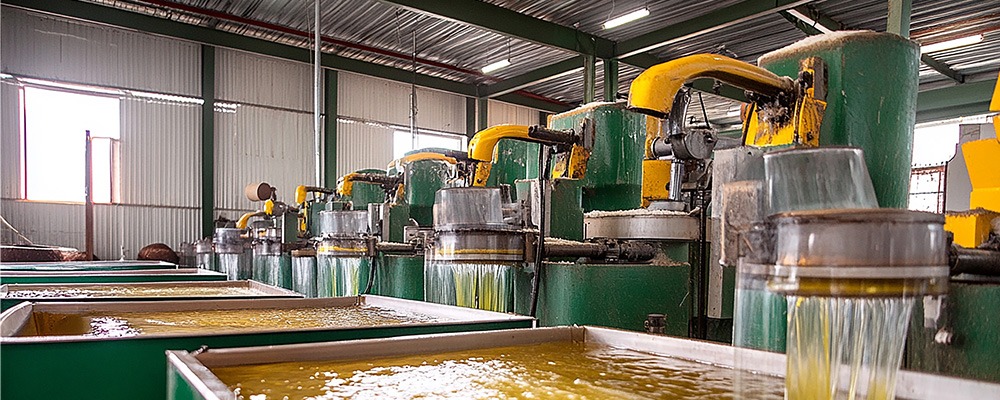
Enzymes are biological catalysts that accelerate specific biochemical reactions under mild conditions. In the context of sugar manufacturing, they target the non-sugar compounds that cloud the juice. For instance, enzymes like pectinase, cellulase, amylase, and protease act on different impurities to break them down into simpler, soluble forms.
- Pectinases degrade pectin, a gummy substance that increases viscosity and traps suspended solids.
- Cellulases and hemicellulases act on fibrous plant material, releasing trapped juice and improving clarity.
- Amylases hydrolyse starches, which can otherwise form haze and reduce filterability.
- Proteases break down proteinaceous colloids that contribute to turbidity.
Through this enzymatic breakdown, impurities become easier to remove, resulting in clearer juice, faster sedimentation, and reduced use of chemical agents. The process also supports improved filtration, enhancing the overall efficiency of the clarification stage.
Advantages of Using Enzymes in Juice Clarification
The application of enzymes in sugar mills brings a multitude of benefits, making it a preferred choice among modern suppliers.
- Enhanced Clarity and Colour
By breaking down colloidal particles and polysaccharides, enzymes help achieve superior juice clarity. The reduction in turbidity and colour leads to higher-quality sugar with better visual appeal and purity.
- Improved Filtration and Sedimentation
Enzymatic treatment results in finer and more compact flocs that settle quickly, streamlining filtration and reducing the load on subsequent equipment. This directly translates into lower downtime and higher throughput.
- Reduced Chemical Consumption
Since enzymes perform much of the clarifying work naturally, mills can significantly cut down on lime, sulphur dioxide, and other chemical clarifiers. This not only lowers production costs but also minimises chemical residues in effluents, supporting greener operations.
- Energy Savings
Enzymatic reactions operate under mild temperature and pH conditions, reducing the need for excessive heating. This conserves energy, making the process more cost-effective and environmentally responsible.
- Higher Sugar Recovery
By preventing juice loss trapped in fibrous or colloidal material, enzyme-based clarification ensures better yield and improved sugar recovery. The ability to process more juice in less time also adds to operational efficiency.
- Sustainability and Eco-friendliness
The shift towards enzymatic clarification aligns with the industry’s growing commitment to sustainability. Enzymes are biodegradable, non-toxic, and support reduced waste generation, a vital factor for mills seeking to lower their environmental footprint.
Integration into Existing Processes
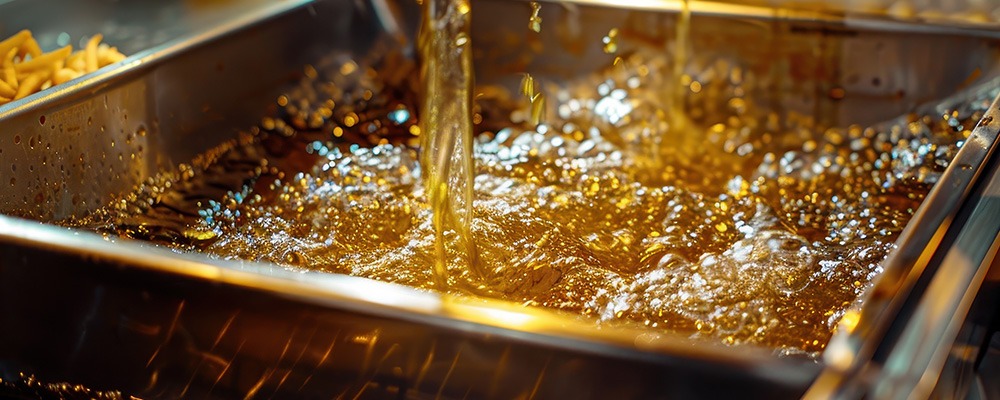
One of the most appealing aspects of enzyme-based clarification is its adaptability. Mills do not need to overhaul their entire infrastructure to integrate enzymes. These formulations can be introduced seamlessly into existing systems, with only minor adjustments to process parameters such as temperature, pH, and retention time.
Most enzyme formulations act effectively at moderate conditions commonly found in juice clarification stages, ensuring minimal disruption and easy adoption. This flexibility allows mills to reap the benefits of enzymatic clarification without extensive capital investment.
Furthermore, modern enzyme solutions are available in stabilised, ready-to-use formats, ensuring consistency and reliability in performance. They can be dosed accurately based on juice composition and process needs, offering mills precise control over outcomes.
Driving Innovation through Research
The success of enzyme-based clarification is deeply rooted in research and development. Continuous innovation has led to the creation of specialised enzyme complexes designed specifically for sugar mills. These tailored formulations are capable of handling variations in juice composition, seasonal changes, and process conditions.
R&D teams are focusing not only on improving enzyme stability and activity but also on engineering blends that deliver multiple benefits in a single dose. From enhancing clarity and colour to improving filtration and reducing processing time, these advancements are redefining the boundaries of sugar manufacturing.
As sustainability becomes a key driver in the industry, enzymes are poised to play an even more significant role in shaping the future of sugar production.
Conclusion
Enzymes have transformed the landscape of juice clarification in sugar mills by offering a smarter, cleaner, and more efficient approach to impurity removal. Their ability to replace or complement traditional chemical clarifiers, while improving clarity, filtration, and sugar yield, makes them an invaluable tool for modern sugar producers. Beyond operational benefits, enzymes embody the principles of green chemistry, contributing to a safer working environment and more sustainable production practices.
At Biolaxi Enzymes Pvt. Ltd., we understand the evolving needs of the sugar industry and the growing demand for eco-safe, high-performance enzyme formulations. With over 14 years of scientific and engineering expertise, Biolaxi delivers customised solutions designed to help sugar mills achieve excellence at every stage of processing. Our enzyme formulations are crafted to enhance efficiency, quality, and sustainability empowering suppliers to unlock the full potential of nature’s catalysts in their journey towards operational brilliance.