
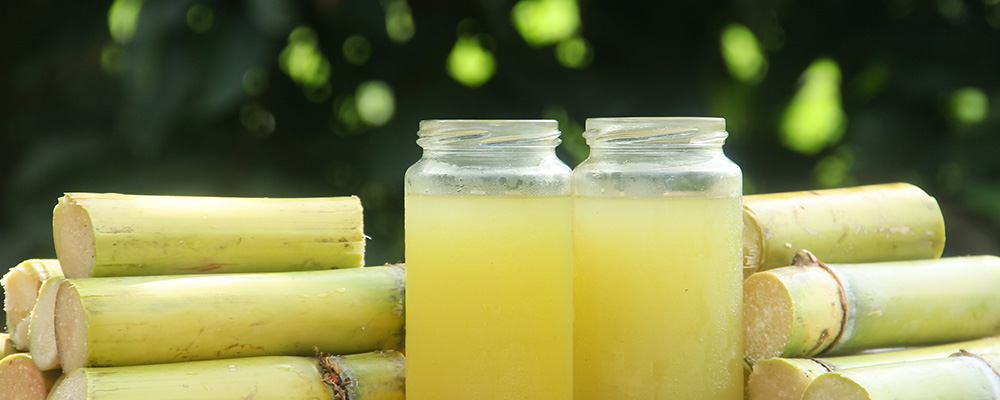
Sugar production in India remains one of the country’s most important agro-industrial sectors. From sugarcane cultivation to refined sugar, the quality of cane juice has a direct impact on efficiency, yield and final product purity. One of the persistent challenges in sugar mills is the accumulation of impurities during juice extraction and clarification, which can lead to operational inefficiencies, reduced sugar recovery and increased processing costs.
Modern sugar production increasingly relies on enzymatic clarifiers to address these challenges. Enzymes offer a precise, eco-friendly and cost-effective solution to manage impurity build-up, optimising both the quality of cane juice and the overall efficiency of the sugar manufacturing process.
Understanding Impurity Build-Up in Cane Juice
Cane juice is naturally rich in sugars, organic acids, proteins, pectins, fibres and other colloidal materials. During extraction, these substances often form complex aggregates, contributing to turbidity and viscosity. Impurity build-up can lead to challenges such as:
- Reduced filtration efficiency
- Increased fouling of heat exchangers and evaporators
- Formation of scale in processing equipment
- Lower sugar recovery rates
Traditional clarification methods, which rely heavily on chemical treatments and prolonged heating, often fall short in removing these naturally occurring impurities efficiently. Over time, these methods can also introduce additional operational costs and environmental concerns due to increased chemical usage and wastewater generation.
How Enzymes Address Impurity Challenges
Enzymatic clarifiers are specialised formulations designed to target the specific components that cause turbidity and viscosity in cane juice. Key enzymes such as pectinases, cellulases and hemicellulases act on complex polysaccharides, breaking them down into simpler, soluble molecules. This results in a more fluid juice with reduced colloidal content, which is easier to clarify.
By selectively breaking down impurity causing compounds, enzymatic treatment enhances juice filtration, reduces sediment formation and prevents scale accumulation in equipment. This targeted approach allows sugar mills to maintain high throughput without excessive reliance on chemicals or energy intensive processes.
Benefits of Enzymatic Clarification in Sugar Mills
1. Improved Juice Clarity and Quality
Enzyme treatment significantly enhances the visual and chemical quality of cane juice. Reduction in turbidity not only improves filtration but also supports downstream processes such as evaporation and crystallisation. Clearer juice leads to more uniform sugar crystals and better colour quality in the final product, which is increasingly important in competitive domestic and export markets.
2. Increased Sugar Recovery
Impurities in cane juice can trap sucrose, leading to lower recovery rates. Enzymatic clarifiers liberate sucrose bound to pectins and other polysaccharides, allowing a higher proportion of sugar to be extracted. This improves operational efficiency and contributes to greater profitability for sugar mills.
3. Reduced Energy and Chemical Usage
Conventional clarification often requires prolonged heating and chemical coagulation, increasing energy consumption and operational costs. Enzymes function effectively at moderate temperatures and reduce dependence on additional chemical agents. This translates into cost savings, lower environmental impact and reduced strain on wastewater treatment systems.
4. Eco-Friendly and Sustainable Operations
Enzymatic clarification aligns closely with sustainable manufacturing practices. Enzymes are biodegradable and non-toxic, minimising the environmental footprint of sugar production. Reduced chemical usage and lower effluent load support compliance with increasingly stringent environmental regulations in India, contributing to greener operations.
Operational Advantages of Enzyme Integration
Enzymes can be integrated seamlessly into existing sugar mill workflows without major modifications to equipment. Typically added directly to cane juice after extraction, enzymatic clarifiers act quickly to degrade pectins and other turbidity causing agents. This allows mills to:
- Shorten clarification times
- Reduce filter clogging and downtime
- Maintain consistent juice quality across different cane varieties and seasons
Furthermore, modern enzyme formulations can be customised to suit specific processing requirements, enabling mills to optimise performance for local cane characteristics and operational conditions.
Enzyme Formulation and Stability
The effectiveness of enzymatic clarifiers depends on formulation and stability. High-quality enzymes are carefully engineered to retain activity under variable temperature and pH conditions typical of sugar processing. Immobilised enzyme formulations can offer repeated use and extended shelf life, further improving operational efficiency and return on investment.
Continuous research in enzyme technology has also led to the development of multi enzyme complexes that combine pectinases, cellulases and hemicellulases in optimal ratios. These complexes ensure comprehensive degradation of impurity causing components, maximising clarity and sugar recovery in every batch.
Future of Enzymatic Clarification in Indian Sugar Industry
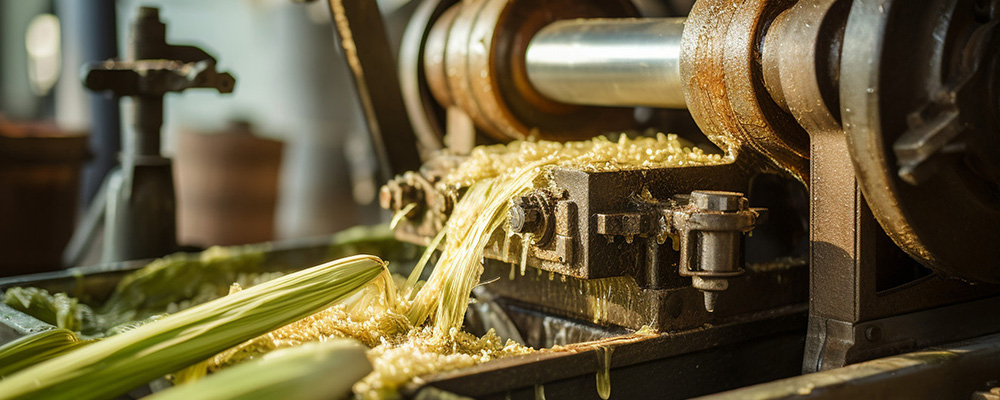
The adoption of enzymatic clarifiers is expected to expand as Indian sugar mills increasingly prioritise sustainability, efficiency and product quality. Ongoing innovations in enzyme engineering, process optimisation and customised formulations will make enzyme integration easier and more cost-effective. Mills that invest in enzymatic solutions gain a competitive edge, benefiting from reduced operational costs, higher sugar yields and compliance with evolving environmental standards.
Enzymatic clarification also supports broader industry initiatives such as organic sugar production and eco-friendly sugar processing. By reducing chemical dependency and energy consumption, enzymes contribute to sustainable value chains from farm to factory.
Conclusion
Addressing impurity build-up in cane juice is no longer solely a matter of chemical treatment or prolonged heating. Enzymatic clarifiers have proven their ability to enhance juice clarity, increase sugar recovery, reduce chemical use and lower energy consumption, all while supporting environmental sustainability. The technology offers Indian sugar mills a practical, efficient and green alternative that aligns with modern operational and regulatory demands.
Biolaxi Enzymes provides advanced enzymatic solutions designed specifically for sugar and juice processing. With scientifically engineered formulations and technical support, they help sugar manufacturers in India tackle impurity challenges, optimise processing efficiency and achieve higher yields, reinforcing a sustainable and profitable future for the industry.