
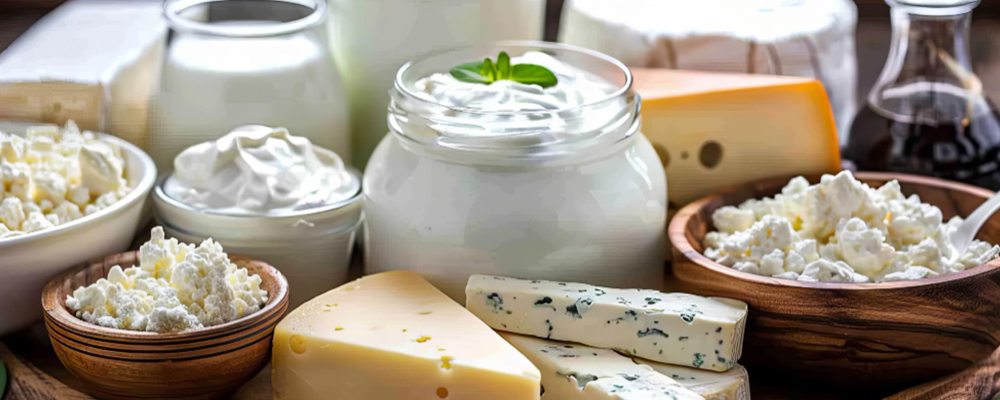
Consistency is one of the most critical quality parameters in yoghurt and cheese production. Consumers expect uniform texture, mouthfeel and appearance every time they open a pack. Even minor deviations can lead to product rejection, brand erosion and increased wastage. For dairy processors, maintaining consistent quality across batches is a persistent challenge influenced by raw milk variability, processing conditions and microbial activity.
Dairy enzymes have emerged as essential tools for addressing these challenges. By offering precise biochemical control, enzymes help supplerrs achieve reliable texture, structure and stability in yoghurt and cheese, even under fluctuating production conditions. Their role has become increasingly important as dairy operations scale up and product portfolios diversify.
Why Consistency Is a Persistent Challenge in Dairy Processing
Milk is a natural raw material and its composition varies with season, animal feed, breed and lactation cycle. Variations in protein, fat and lactose content directly affect fermentation behaviour and curd formation. Without intervention, these variations can result in yoghurt that is either too thin or overly firm, and cheese that lacks uniform body or develops defects during ageing.
Processing variables such as temperature, incubation time and starter culture performance further complicate consistency control. Even with advanced automation, achieving identical results across batches remains difficult. This is where enzymes provide a reliable layer of process standardisation.
Understanding Texture Formation in Yoghurt and Cheese
In yoghurt, texture development depends largely on milk protein interactions during fermentation. As lactic acid bacteria convert lactose into lactic acid, the pH drops and milk proteins coagulate to form a gel network. If this network is weak or uneven, the yoghurt may exhibit syneresis, graininess or poor viscosity.
Cheese texture, on the other hand, is shaped by enzymatic coagulation, moisture retention and controlled proteolysis during ripening. Inconsistent enzyme activity or uncontrolled protein breakdown can lead to crumbly, rubbery or overly soft cheese. Precision in enzymatic action is therefore essential for predictable outcomes.
Role of Dairy Enzymes in Improving Yoghurt Consistency
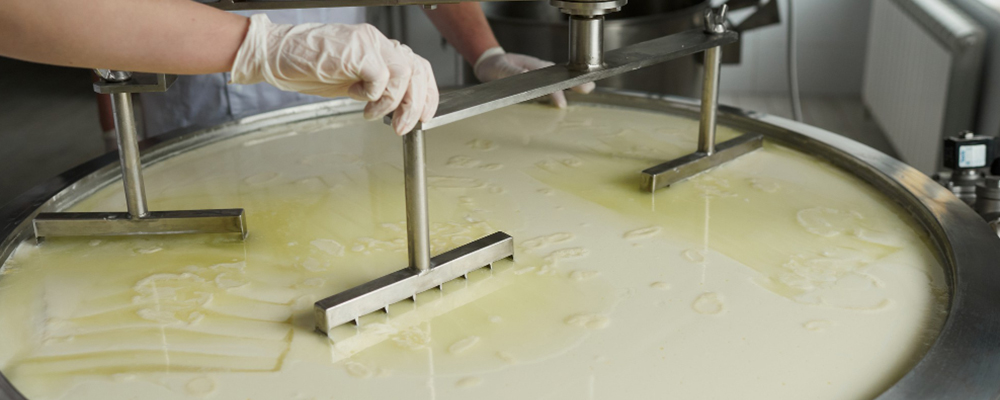
Dairy enzymes help stabilise yoghurt texture by improving protein functionality and water holding capacity. Specific enzymes enhance protein interactions, resulting in a smoother, creamier structure with reduced whey separation. This is particularly valuable in low fat and high protein yoghurt formulations, where texture defects are more common.
Enzymes also support faster and more controlled fermentation. By optimising lactose utilisation and protein modification, they help achieve consistent viscosity within shorter processing times. This improves production efficiency while maintaining product quality.
Enhancing Cheese Texture Through Enzymatic Control
In cheese making, enzymes play a critical role from curd formation to maturation. Coagulant enzymes ensure uniform curd structure, which directly influences moisture distribution and final texture. Consistent coagulation reduces batch variability and improves yield predictability.
During ageing, controlled enzymatic proteolysis contributes to flavour development and textural refinement. Dairy enzymes help manage this process, preventing defects such as bitterness or excessive softening. The result is cheese with reliable body, sliceability and mouthfeel across production cycles.
Reducing Batch Variability and Product Rejections
One of the key advantages of using dairy enzymes is their ability to reduce batch to batch variation. By compensating for raw material inconsistencies, enzymes act as a buffering mechanism within the process. This leads to fewer off spec batches and lower rejection rates.
For large scale dairy producers, even small improvements in consistency translate into significant cost savings. Reduced rework, less wastage and improved shelf life all contribute to stronger operational performance and customer satisfaction.
Supporting Clean Label and Process Efficiency Goals
Modern consumers increasingly prefer clean label dairy products with fewer additives. Enzymes align well with this demand as they perform functional roles without remaining active in the final product. This allows producers to improve texture and stability without relying on synthetic stabilisers.
From a processing perspective, enzymes enable simplification of formulations and reduction of pcorrective processing steps. Improved efficiency, shorter production cycles and better utilisation of raw materials make enzymatic solutions both technically and commercially attractive.
Adapting to Diverse Dairy Formats and Applications
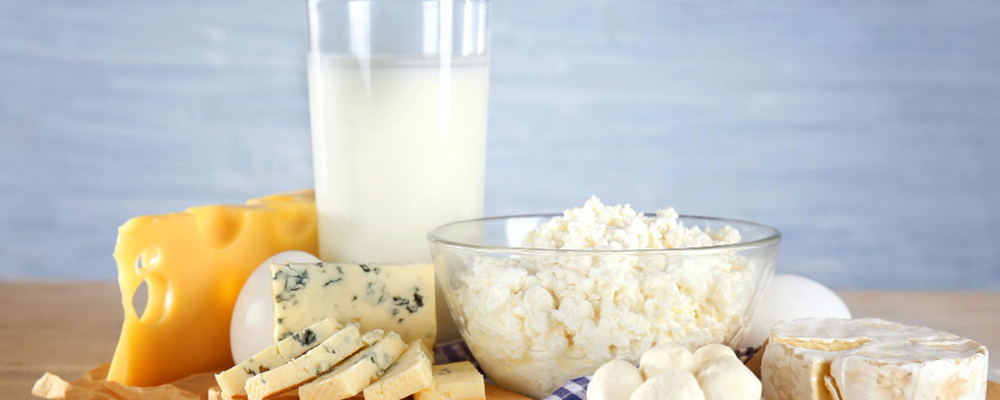
The dairy market continues to evolve, with growing demand for set yoghurt, stirred yoghurt, drinking yoghurt and a wide variety of cheese styles. Each format presents unique consistency challenges. Enzymes offer the flexibility to tailor solutions for specific applications, whether it is improving viscosity in spoonable yoghurt or enhancing elasticity in mozzarella.
This adaptability allows dairy processors to innovate confidently while maintaining control over quality parameters. Enzymatic solutions can be fine tuned to suit regional preferences, processing conditions and product positioning.
Conclusion
Consistency issues in yoghurt and cheese production are deeply rooted in the natural variability of milk and the complexity of dairy processes. Dairy enzymes provide an effective and reliable way to manage these challenges by enhancing protein functionality, stabilising texture and supporting controlled fermentation and ripening. Their contribution extends beyond quality improvement to include efficiency gains, waste reduction and cleaner product labels.
In this context, Biolaxi Enzymes supports dairy producers with scientifically engineered dairy enzyme solutions that address real world consistency challenges, helping producers achieve dependable texture, superior quality and operational confidence across yoghurt and cheese applications.