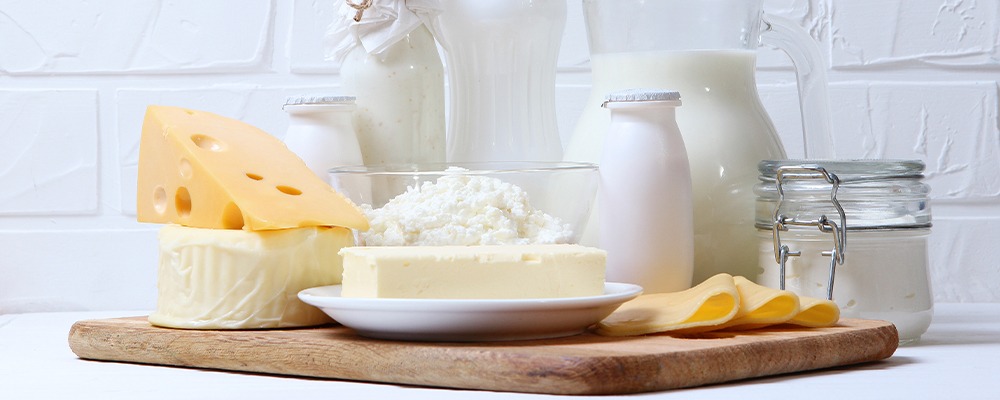
Milk is one of nature’s most nourishing gifts, offering a rich blend of proteins, fats, vitamins, and minerals. Yet, it is the subtle and intelligent application of enzymes that transforms this everyday liquid into the wide range of dairy products we know and love; from soft, silky yoghurt to hard, flavour-packed cheeses. Enzymes are the silent workers in the background, orchestrating complex biochemical processes that affect everything from taste and texture to digestibility and shelf life. Their role in the dairy industry is vital, versatile and increasingly innovative.
The Natural Partnership Between Enzymes and Dairy
Enzymes are biological catalysts that speed up specific reactions without being consumed in the process. In dairy, they are essential tools that mimic and enhance the body’s natural digestive mechanisms. For centuries, traditional cheese and yoghurt making depended on the activity of enzymes derived from animal stomachs or microbial cultures. Today, the dairy sector uses a wide variety of enzyme formulations to increase efficiency, improve quality and reduce environmental impact.
The most iconic example is rennet, a group of enzymes traditionally sourced from the stomach lining of young ruminants. Rennet contains chymosin, which curdles milk by acting on casein proteins. This enzymatic action is what turns liquid milk into a firm curd, a crucial step in cheese making. With the growing demand for vegetarian and microbial alternatives, plant based and fermentation derived rennets are now widely used, offering the same functional benefits with broader consumer acceptance.
Enzymes as Texture Masters
Beyond curdling, enzymes influence the texture and mouthfeel of dairy products. In cheese manufacturing, enzymes such as proteases break down proteins, contributing to the ripening process. This controlled breakdown of casein over time develops complex flavours and a creamier texture. For sharper, well aged cheeses such as Parmesan or Cheddar, the right balance of enzyme activity is key to achieving a distinct, savoury taste.
Lipases, another group of enzymes, act on fats within the cheese, releasing free fatty acids that contribute to strong and sometimes piquant flavour notes. These are especially important in traditional European varieties such as Roquefort and Gorgonzola. By controlling the activity of lipases, cheese makers can tailor the final product’s aroma and intensity.
In milk based drinks, enzymes help stabilise and enhance consistency. For example, lactases are added to break down lactose into simpler sugars, creating smoother textures and sweeter flavours without adding external sweeteners. This not only improves the sensory profile but also makes milk digestible for lactose intolerant consumers.
Enhancing Digestibility and Nutritional Value
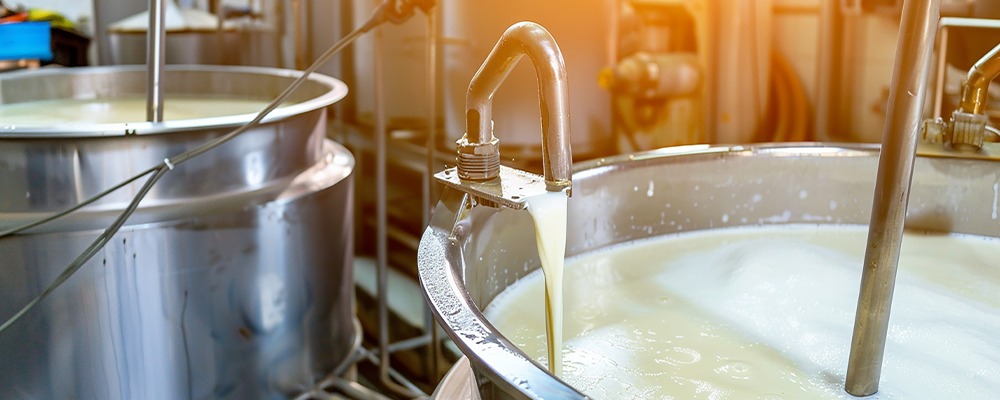
Lactose intolerance is a widespread issue, particularly in parts of Asia and Africa. For these populations, regular milk consumption can lead to discomfort or digestive upset. By using lactase enzymes to break down lactose into glucose and galactose, dairy producers can offer lactose free or low lactose options without compromising on nutritional content or taste.
Moreover, certain enzymes can increase the bioavailability of nutrients in dairy. Phosphatases, for example, may improve calcium absorption, while proteolytic enzymes can release bioactive peptides with antioxidant and antihypertensive properties. These benefits align with growing consumer interest in functional foods, products that not only nourish but also support long term health.
Improving Processing Efficiency and Sustainability
From a production perspective, enzymes play a vital role in improving process efficiency and reducing waste. In ultra high temperature milk or pasteurised products, enzymes are carefully selected to retain functionality under varying conditions. Their use ensures that dairy processors can extract maximum yield from raw milk, reducing curd loss and improving protein recovery.
Transglutaminase is one such enzyme that helps bind milk proteins together, enhancing the firmness of curds and reducing breakage during cutting and pressing. This results in higher yields in cheese production and minimises raw material wastage. Enzymes also assist in cleaning processes, breaking down organic residues on equipment more effectively, which in turn reduces the need for harsh chemicals and excessive water usage.
In whey processing, enzymes help convert what was once a by product into a valuable ingredient. Proteolytic enzymes can be used to hydrolyse whey proteins into peptides, which are then incorporated into high protein drinks, infant formulas and nutrition bars. This shift not only adds value but also contributes to a more circular and sustainable dairy industry.
Meeting Consumer Demands with Customised Solutions
Modern consumers are more informed and selective than ever. Whether they seek plant based alternatives, cleaner labels or enhanced nutrition, the dairy industry must constantly adapt. Enzymes provide a flexible, natural and effective solution to meet this demand. They are clean label friendly, as they are not classified as additives and usually leave no residual trace in the final product.
For instance, enzyme assisted fermentation allows for cleaner tasting yoghurts with reduced sugar content, without sacrificing flavour or texture. In cheese, enzymes help avoid bitterness while maintaining a mature flavour profile. Through customised enzyme formulations, dairy producers can craft products tailored to local tastes, dietary restrictions and specific manufacturing conditions.
Pushing the Boundaries with R&D
As science progresses, so does the sophistication of enzyme applications in dairy. Research is underway to develop enzymes that can withstand even higher temperatures, work faster and act more selectively on specific components of milk. Genetic engineering and fermentation technologies are opening doors to novel enzyme variants with enhanced functionality.
Enzymes are also being explored to reduce allergens in dairy or create postbiotic compounds that support gut health. These innovations not only broaden the nutritional appeal of dairy but also expand its global marketability. With a strong research and development focus, the enzyme industry is set to unlock more efficient, ethical and environmentally sound dairy solutions.
Conclusion
From improving flavour and texture to enhancing digestibility and sustainability, enzymes are transforming the dairy landscape in extraordinary ways. These microscopic proteins have an outsized influence, allowing dairy processors to innovate, meet evolving consumer expectations and extract more value from every drop of milk. As the world pivots towards cleaner and more conscious consumption, enzyme based solutions offer a smart and scalable path forward for the dairy sector.
At Biolaxi Enzymes, we understand the unique challenges and opportunities within the dairy industry. Our wide range of expertly developed enzyme formulations is designed to improve process performance and product quality across the board. With a commitment to excellence, sustainability and continuous innovation, Biolaxi is proud to be a trusted partner to global dairy producers, delivering sharper cheese and smoother milk every time.