

Water is one of the most precious resources on the planet, yet it is under constant threat from pollution and industrial discharge. Ensuring that wastewater is treated effectively before it is released into the environment is a critical challenge for industries, municipalities, and governments. Among the many indicators of water quality, two stand out as particularly important: Chemical Oxygen Demand (COD) and Biological Oxygen Demand (BOD). High levels of COD and BOD indicate that water contains large amounts of organic matter and other pollutants, making it unfit for reuse or release into natural water bodies.
Traditional methods of treating wastewater have largely relied on physical and chemical processes, which although effective to some extent, can be expensive, energy-intensive, and sometimes leave behind harmful residues. In recent years, biotechnology has brought forward a more sustainable and efficient alternative: the use of enzymes. Enzymes have emerged as powerful tools in reducing COD and BOD levels, helping industries achieve compliance with environmental standards while also lowering costs and contributing to greener practices.
Understanding COD and BOD in Wastewater Treatment
Before exploring the role of enzymes, it is important to understand what COD and BOD represent. COD measures the total amount of oxygen required to chemically oxidise both biodegradable and non-biodegradable organic matter present in water. In contrast, BOD measures the amount of oxygen consumed by microorganisms as they break down biodegradable organic matter over a certain period, usually five days.
High COD and BOD levels in wastewater indicate a high concentration of organic and chemical pollutants. If such water is discharged untreated, it can lead to oxygen depletion in rivers and lakes, damaging aquatic ecosystems and posing serious risks to human health. Effective reduction of COD and BOD is therefore a priority for every water treatment facility.
Conventional Approaches and Their Limitations
Traditional water treatment methods often involve physical removal of solids, chemical oxidation using agents like chlorine, and biological treatments such as activated sludge systems. While these processes have been the mainstay of wastewater management for decades, they face significant challenges.
Chemical treatments can be costly and sometimes introduce secondary pollutants into the water. Biological treatments are efficient but require long retention times and may not be sufficient for industrial wastewater that is rich in complex organic compounds. Moreover, these methods often struggle with consistency when wastewater composition fluctuates.
Such challenges have highlighted the need for solutions that are cost-effective, efficient, environmentally safe, and adaptable to varying wastewater streams. Enzyme technology has risen to prominence as one of the most promising approaches.
How Enzymes Work in Water Treatment
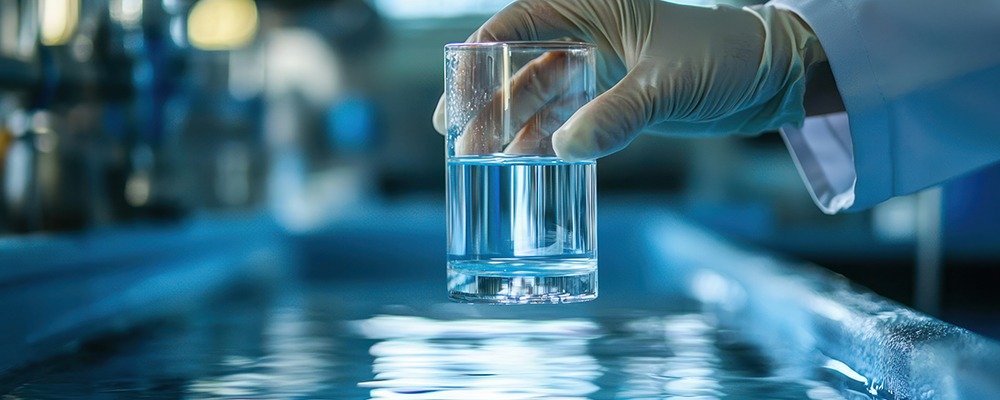
Enzymes are biological catalysts that speed up chemical reactions without being consumed in the process. In water treatment, they break down complex organic molecules into simpler, more easily degradable compounds. For example, enzymes such as proteases, lipases, and cellulases act on proteins, fats, and cellulose respectively, reducing them into smaller molecules that can be quickly metabolised by naturally occurring microorganisms.
This enzymatic action has a direct impact on COD and BOD levels. By breaking down pollutants at a molecular level, enzymes reduce the oxygen demand of the wastewater. Once the complex compounds are degraded, microbial communities can process the residues faster and more completely, resulting in significant COD and BOD reduction within shorter timeframes.
Advantages of Using Enzymes for COD and BOD Reduction
The use of enzymes in wastewater treatment brings multiple advantages over traditional methods.
- Eco-friendly Process
Enzymes are biodegradable and do not introduce toxic by-products into the water. Their use supports environmentally sustainable wastewater management practices. - Higher Efficiency
Enzymes accelerate the breakdown of stubborn organic compounds that may not be efficiently tackled by conventional biological treatments. This improves the overall efficiency of wastewater treatment plants. - Reduced Operational Costs
By enabling faster and more complete degradation of pollutants, enzymes reduce the need for high doses of chemicals and minimise energy consumption in aeration systems. - Versatility Across Industries
Wastewater composition varies greatly from industry to industry. Enzymes can be customised to target specific pollutants, making them suitable for applications in sectors such as textiles, food processing, distilleries, and pharmaceuticals. - Improved Stability of Processes
Enzyme-based treatments help stabilise microbial activity in wastewater plants, ensuring consistent results even when influent quality fluctuates.
Applications of Enzyme Technology in Water Treatment
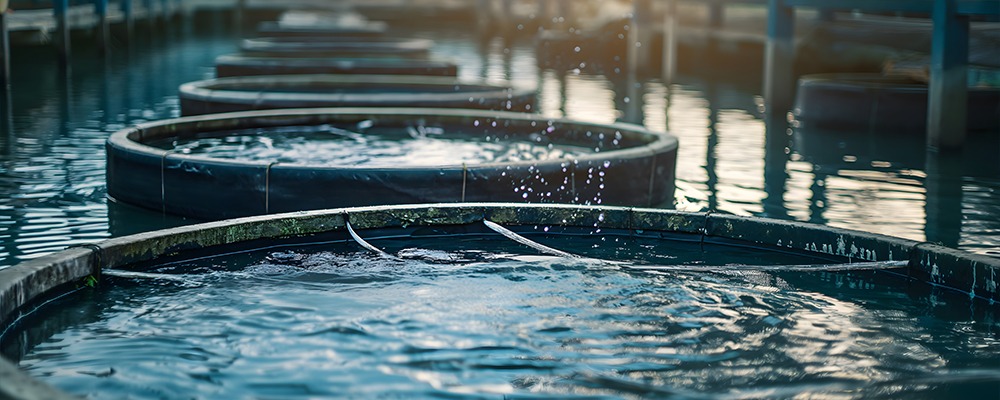
The adaptability of enzymes has made them valuable across multiple applications in wastewater treatment:
- Food and Beverage Industry: Enzymes degrade organic residues from production processes, reducing the high BOD levels associated with starches, proteins, and fats.
- Textile Industry: Enzymes help break down dyes and other organic contaminants, reducing COD levels in wastewater effluents.
- Sugar and Distillery Wastewater: These effluents are often rich in molasses and organic matter. Enzyme-based formulations accelerate degradation, significantly lowering COD and BOD.
- Municipal Wastewater: Enzymes complement traditional treatments by ensuring faster breakdown of household organic waste.
In each of these cases, enzymes work either as a primary treatment step or in conjunction with existing biological systems to enhance efficiency.
The Future of Enzymatic Water Treatment
As environmental regulations grow stricter and industries strive for more sustainable practices, enzyme technology is expected to become a cornerstone of wastewater treatment. Continuous advancements in biotechnology are making it possible to design enzyme formulations that can withstand diverse pH levels, high temperatures, and complex industrial effluents.
Future developments may also include immobilised enzymes, which offer enhanced stability and reusability. This will not only reduce operational costs further but also improve the scalability of enzyme-based water treatment solutions. With ongoing research and innovation, enzymes will continue to provide an effective pathway towards achieving cleaner water and a healthier environment.
Conclusion
The challenge of reducing COD and BOD in wastewater is central to protecting our environment and ensuring sustainable water management. While traditional methods of treatment will always have their role, enzyme technology has proven to be a game-changer. By catalysing the breakdown of complex pollutants, enzymes reduce oxygen demand, improve treatment efficiency, and lower costs. Their eco-friendly and versatile nature makes them suitable for a wide range of industries, offering consistent results even under variable wastewater conditions.
At Biolaxi Enzymes, we understand the growing importance of biotechnology in water treatment. With over 14 years of expertise in enzyme formulations, we are committed to delivering innovative, eco-safe, and customised solutions that help industries achieve sustainable COD and BOD reduction. By combining scientific excellence with engineering expertise, Biolaxi continues to support industries worldwide in their mission to ensure clean water and a greener future.