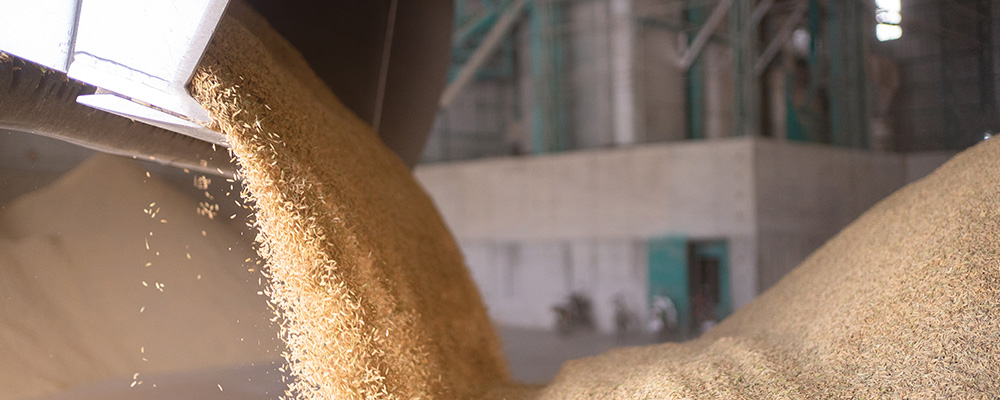
Starch is one of the most abundant natural polymers on Earth, present in cereals, tubers and other plant sources. Traditionally, starch processing in food, beverage and industrial sectors has been associated with partial utilisation, leading to significant wastage of valuable carbohydrates. In a world increasingly driven by sustainability and efficiency, the ability to convert every gram of starch into a useful product has become a critical priority. Enzymes are at the forefront of this transformation, enabling complete starch utilisation and turning what was once waste into economic and environmental worth.
Indian industries, ranging from food processing to bioethanol production, are recognising the potential of enzymes to optimise starch conversion. By integrating enzyme based solutions into their workflows, they are not only improving yields but also reducing energy, water and chemical consumption, making their operations more sustainable and cost effective.
The Challenge of Incomplete Starch Utilisation
Conventional starch processing methods often rely on high temperature gelatinisation, chemical hydrolysis and multi step reactions. While these methods release glucose or maltodextrins, they frequently leave behind residual starch that cannot be efficiently converted. This inefficiency results in waste, higher operational costs and lost revenue opportunities.
In addition, incomplete starch utilisation generates by products that may require additional handling or disposal. For industries in India, where processing volumes are large and margins can be tight, such inefficiencies have significant economic and environmental implications. There is a clear need for solutions that can unlock the full potential of starch.
Enzymes as Natural Catalysts for Complete Conversion
Enzymes are biological catalysts that accelerate chemical reactions with high specificity. In starch processing, amylases, glucoamylases and pullulanases are commonly employed to break down complex starch molecules into simpler sugars. These enzymes act under controlled conditions, achieving higher conversion rates than traditional chemical or thermal methods.
The use of enzymes allows manufacturers to operate under milder temperatures and neutral pH levels, reducing energy consumption and preventing degradation of heat sensitive compounds. The result is a more efficient and sustainable process, producing higher quality end products with minimal waste.
Maximising Yields in Food and Beverage Industries
In food and beverage processing, complete starch utilisation directly improves product consistency, taste, and nutritional value. Bakery, noodle, and snack producers benefit from enzymes that convert residual starch into fermentable sugars or dextrins. These sugars contribute to improved texture, flavour and browning properties while reducing the need for additional additives.
Fruit juice and beverage industries also rely on starch converting enzymes to clarify products and increase yield. Enzymatic hydrolysis reduces viscosity and prevents cloudiness, allowing maximum extraction of soluble sugars. By fully utilising starch, producers can enhance both economic returns and product quality.
Starch to Bioethanol: Unlocking Renewable Energy Potential
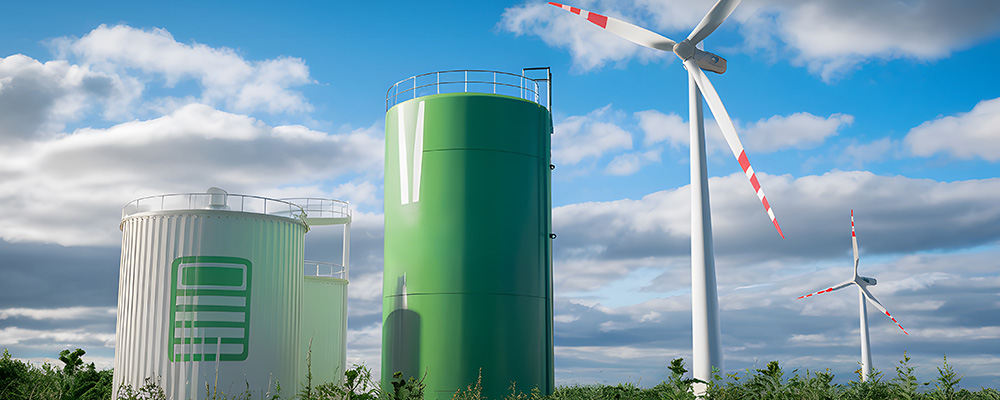
Bioethanol production is another area where enzymes play a critical role. Conventional fermentation often leaves unconverted starch behind, limiting ethanol yield and energy efficiency. The introduction of specialised starch degrading enzymes ensures complete saccharification, producing fermentable sugars that yeast can convert into ethanol.
Complete starch utilisation in bioethanol plants reduces feedstock waste and increases energy output per unit of raw material. This contributes to more sustainable fuel production, lowers greenhouse gas emissions and strengthens the economic feasibility of renewable energy projects in India and globally.
Industrial Applications Beyond Food and Fuel
Enzymes also enable starch utilisation in non food applications. Paper, textile and detergent industries utilise enzymatic starch hydrolysis to create glucose syrups, bio based polymers or surface sizing agents. In each case, the enzyme driven process converts residual starch into usable components that would otherwise be discarded.
By transforming waste into functional intermediates, enzymes reduce the need for virgin raw materials and minimise environmental impact. Industries adopting these solutions benefit from lower operational costs, reduced disposal fees and a smaller ecological footprint.
Economic and Environmental Benefits
The advantages of complete starch utilisation extend beyond yield improvements. Enzyme based processes consume less water and energy than traditional methods, and they often eliminate the need for strong acids or alkalis. This reduces effluent treatment requirements and mitigates occupational safety risks associated with handling harsh chemicals.
In addition, the use of immobilised or stabilised enzymes allows repeated reuse, further improving cost efficiency. For Indian manufacturers, where large batch volumes and regulatory compliance are constant challenges, these benefits translate into measurable gains in both profitability and sustainability metrics.
Enabling Innovation Through Enzyme Engineering
Advances in enzyme engineering have broadened the scope of starch converting solutions. Tailored enzyme formulations can now target specific starch sources, optimise reaction rates, and tolerate variable process conditions. This flexibility allows manufacturers to re design legacy processes or create novel products from previously underutilised starch fractions.
With continuous improvements in research and development, Indian industries can leverage enzymes to not only enhance efficiency but also innovate across product categories. From creating functional foods to high value biochemicals, enzymes are unlocking new opportunities from an otherwise abundant but underused resource.
Conclusion
Complete starch utilisation represents a major opportunity for industries to convert waste into economic and environmental worth. By harnessing the power of enzymes, manufacturers can achieve higher yields, improved product quality and reduced operational impact. These solutions offer a practical route to sustainability while maintaining the standards and efficiency required in competitive markets.
Biolaxi Enzymes supports this transformation by providing customised, high quality enzyme solutions designed to optimise starch processing across diverse applications. Their expertise in developing eco friendly and efficient enzyme formulations helps Indian industries turn residual starch into valuable outputs, creating measurable benefits for both business and the environment.