In the world of alcohol production, whether for beverage, biofuel, or industrial applications, the word fermentation holds monumental significance. This biochemical process, harnessed for centuries, is where sugars are transformed into alcohol by the action of yeasts. However, what has dramatically evolved over time is how this process is optimised — and enzymes have emerged as the natural key to unlocking its full potential.
As producers seek ways to enhance yield, reduce waste, and lower production costs, enzyme solutions have revolutionised fermentation by increasing efficiency and output. These biological catalysts work under mild conditions and are highly specific, making them both environmentally friendly and commercially viable.
The Role of Enzymes in Fermentation
Enzymes are protein molecules that speed up chemical reactions without being consumed in the process. In alcohol fermentation, they help break down complex raw materials such as starches and fibres into fermentable sugars, which are then converted by yeast into alcohol and carbon dioxide.
One of the most important steps in fermentation is saccharification — the breakdown of starch into simpler sugars. Amylases, particularly alpha-amylase and glucoamylase, are used to catalyse this transformation efficiently. These enzymes reduce the viscosity of starch solutions and help generate glucose, which yeast can readily ferment.
Another class of enzymes, known as cellulases, plays a crucial role when working with lignocellulosic biomass such as agricultural waste. These enzymes break down cellulose and hemicellulose into fermentable sugars, enabling distillers to utilise cheaper, more sustainable raw materials without compromising on alcohol yield.
Benefits of Enzyme-Based Fermentation Solutions
1. Enhanced Alcohol Yields:
By ensuring complete and efficient conversion of starch and cellulose into sugars, enzymes allow for higher sugar availability, directly impacting the final alcohol yield. Even a marginal improvement in yield can translate to significant commercial benefits, especially in large-scale operations.
2. Shorter Processing Times:
Enzymes dramatically reduce the time required to convert raw materials into fermentable sugars. This means fermentation can begin sooner and complete faster, allowing producers to increase batch turnover and maximise facility utilisation.
3. Reduced Energy Consumption:
Traditional methods of raw material breakdown require high temperatures and longer cooking times. Enzyme solutions function optimally at moderate temperatures, significantly cutting down on energy use and contributing to more sustainable operations.
4. Improved Fermentation Consistency:
Enzymes contribute to more predictable and uniform fermentation results. This consistency is critical in industries such as beverage alcohol, where flavour and quality are closely monitored and regulated.
5. Greater Use of Diverse Feedstocks:
Enzymes enable the use of various raw materials beyond traditional grains — including cassava, sweet potatoes, corn fibre, and even sugarcane bagasse. This flexibility can lower input costs and offer a buffer against supply chain volatility.
Application in Grain-Based Distilleries
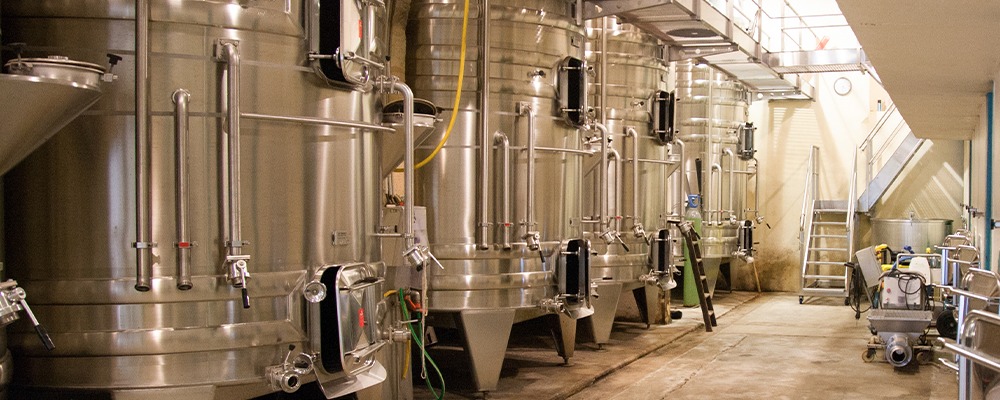
Grain distilleries benefit greatly from tailored enzyme complexes. During mashing, alpha-amylase breaks down long-chain starches into smaller dextrins. This is followed by the action of glucoamylase, which converts these dextrins into fermentable sugars. Proteases may also be added to break down protein content, reducing foam and improving yeast nutrition.
With the right enzyme strategy, distilleries can process high-gravity mashes — meaning mashes with a higher concentration of solids. This results in more alcohol per batch without increasing the volume of raw materials or water used.
Enzymes in Bioethanol Production
The demand for bioethanol as a sustainable fuel alternative has accelerated the search for high-efficiency production methods. Here, enzyme solutions are a game changer. From first-generation feedstocks like corn to second-generation biomass such as straw or wood chips, enzymes streamline the conversion process.
Hemicellulases and ligninases, in addition to cellulases, are employed in second-generation bioethanol production. They tackle the tough, fibrous matrix of lignocellulosic feedstock, unlocking sugars trapped within and making them accessible for fermentation. This allows for better utilisation of agricultural residues and contributes to the circular economy.
Sustainability and Enzyme Use
One of the most important advantages of enzyme solutions in alcohol production is their contribution to sustainability. Traditional chemical methods often generate toxic by-products or require high energy inputs. Enzymes, by contrast, are biodegradable, non-toxic, and require much less energy to function.
Incorporating enzyme-based solutions also reduces the burden on wastewater treatment systems, as there are fewer harsh chemicals in the effluent. Additionally, the increased efficiency in raw material usage reduces agricultural demand, which is especially crucial in regions with constrained resources.
Research and Customisation
The efficacy of enzyme solutions hinges on ongoing research and the ability to customise formulations for specific needs. Different raw materials, geographical conditions, and production targets require enzyme blends that are tailor-made. Advanced enzyme manufacturers invest in R&D to fine-tune these blends, using molecular biology and fermentation technologies to create highly effective products.
Customised enzyme solutions ensure that fermentation is not only efficient but also adaptable to evolving industry trends, regulatory requirements, and consumer demands. Whether it’s cleaner labels, lower carbon footprints, or higher ethanol concentrations, enzyme innovation continues to push the boundaries.
Conclusion
The fermentation process, though ancient in origin, continues to evolve with scientific advancements. Enzyme technology stands out as one of the most transformative tools for producers seeking to scale efficiently and sustainably. It not only enhances output but also aligns with growing environmental and operational expectations.
At Biolaxi Enzymes Pvt Ltd, we understand the nuances of fermentation across industries — from bioethanol and grain distillation to fruit-based alcohols. With over 14 years of experience, a strong R&D focus, and a commitment to eco-safe and customised enzyme formulations, we help our clients maximise their alcohol yields naturally and cost-effectively. Partner with us to unlock the full potential of your fermentation process, with science-backed solutions that bring excellence to every drop.