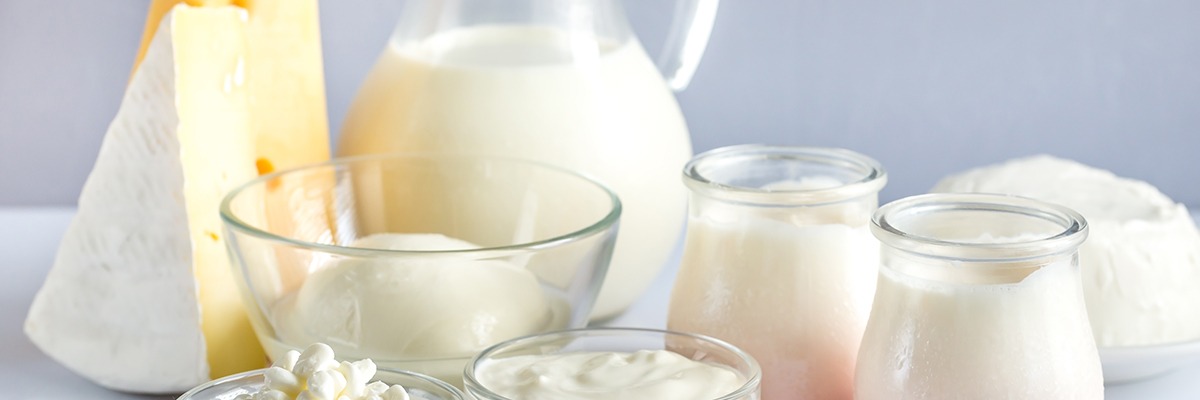
Dairy is one of the most consumed food groups worldwide. From milk and cheese to yoghurt and butter, these products are daily staples in countless households. Yet, despite their nutritional richness, dairy products face one significant challenge: limited shelf life. With spoilage risks high and consumer demand for fresher, cleaner-label products growing, the dairy industry has been under constant pressure to find effective, natural, and safe solutions. Enzymes have emerged as one of the most promising answers, helping manufacturers extend shelf life while maintaining taste, texture, and nutritional value.
The Shelf Life Challenge in Dairy
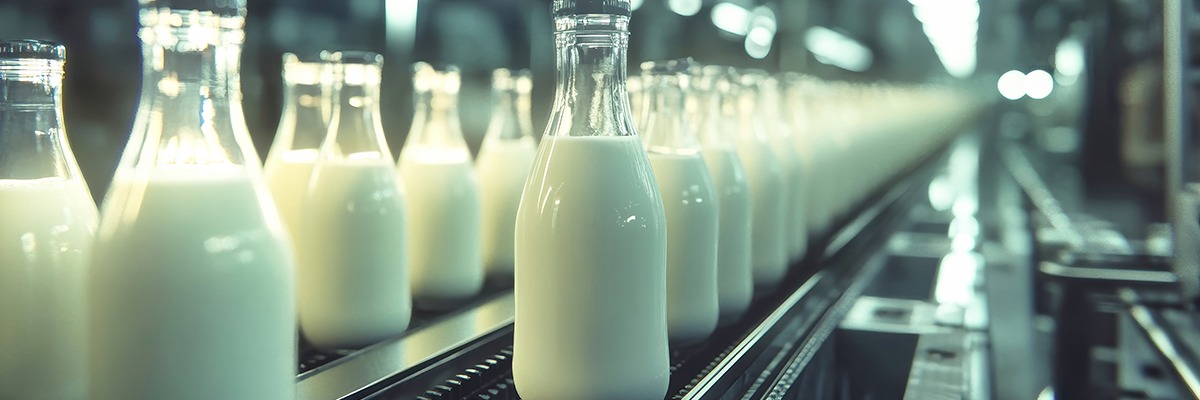
The freshness of dairy products is sensitive to various factors including microbial activity, oxidation, and enzymatic breakdown of fats and proteins. Milk and its derivatives are highly perishable, often lasting only a few days without refrigeration. Even with cold chain systems in place, bacterial growth can compromise quality and safety. For producers, this not only creates logistical difficulties but also increases waste and economic losses.
Consumers today want dairy products that stay fresh for longer, without relying heavily on synthetic preservatives. This has prompted dairy manufacturers to explore natural solutions that can protect product integrity and deliver the clean-label promise that modern buyers expect. Enzymes are proving to be a game-changer in this regard.
Enzymes: Nature’s Catalysts in Dairy
Enzymes are biological catalysts that speed up biochemical reactions without being consumed in the process. In dairy processing, they are particularly valued because they work in harmony with natural systems, unlike chemical additives that may alter flavour or raise health concerns. By targeting specific compounds, enzymes can enhance stability, improve texture, and prevent premature spoilage.
The most widely used enzymes in dairy include lactase, proteases, and lipases. Each plays a unique role in product development and shelf life management.
- Lactase: Essential for breaking down lactose into simpler sugars. Beyond making dairy accessible for lactose-intolerant consumers, lactase reduces fermentation by stray microbes, which can extend product stability.
- Proteases: Used to hydrolyse proteins, improving digestibility and preventing undesirable protein aggregation in products like UHT milk or yoghurt. This process supports longer storage without compromising quality.
- Lipases: These target fats and can be carefully controlled to reduce rancidity, a major cause of spoilage in dairy products with higher fat content.
By combining these and other specialised enzymes, manufacturers can design formulations that naturally prolong shelf life while enhancing sensory properties.
Enzymes in Cheese Making
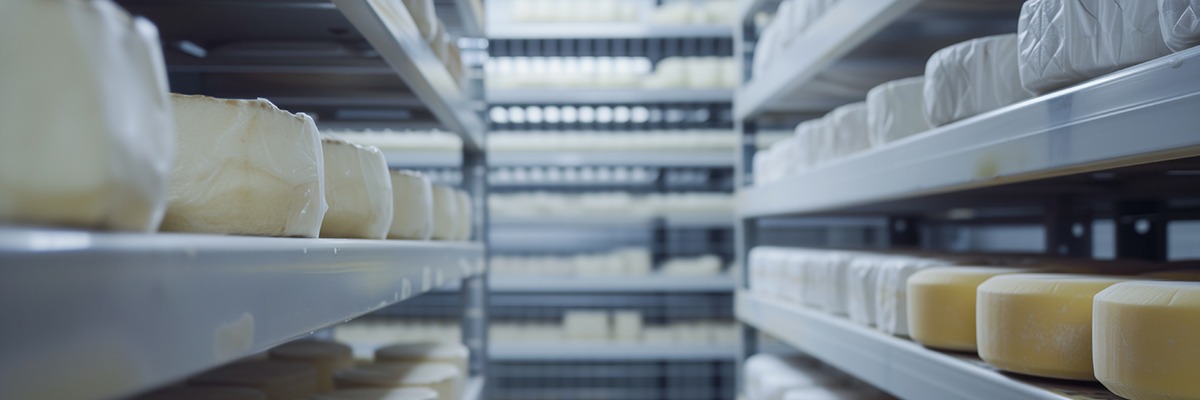
Cheese has long relied on enzymes, with rennet being the classic example. Traditionally sourced from calf stomachs, rennet contains chymosin, an enzyme that coagulates milk proteins, leading to curd formation. Modern production often uses microbial or recombinant sources of chymosin, making the process more sustainable and consistent.
Enzymes also play a role in flavour development and ripening. By carefully regulating protein and fat breakdown, cheesemakers can produce varieties with specific textures and tastes. Importantly, controlled enzymatic activity prevents spoilage organisms from dominating, which naturally extends the safe storage period of cheese. In semi-hard and hard cheeses, the right balance of proteases and lipases helps the product mature gracefully, while maintaining shelf stability for months.
Enzymes in Yoghurt and Fermented Milk
Fermented dairy products are particularly vulnerable to microbial instability. Enzymes offer valuable support by creating conditions that slow down spoilage while maintaining probiotic activity. For instance, lactase reduces the risk of excessive acidification caused by uncontrolled fermentation, helping yoghurts retain their desired taste and texture for longer.
Proteases, when used in cultured dairy, can improve the mouthfeel of the product and reduce syneresis, or whey separation, which is often associated with quality deterioration during storage. With enzymes carefully tailored to the process, manufacturers can keep fermented milk products appealing even after extended periods on the shelf.
Enhancing Nutritional Value Alongside Shelf Life
The use of enzymes in dairy processing is not solely about preservation. They also add nutritional and functional benefits that make the product more attractive to health-conscious consumers. Lactase, for instance, transforms milk into a lactose-free variant, broadening its reach to a growing population of lactose-intolerant individuals. Proteases produce bioactive peptides, some of which have antioxidant or immune-boosting properties.
This dual role of enzymes preserving product quality and boosting nutritional value—makes them a strategic tool in modern dairy innovation. Consumers do not just get products that last longer, but also ones that are more digestible, healthier, and aligned with their lifestyle needs.
Sustainability Benefits of Enzymatic Shelf Life Extension
Another critical advantage of using enzymes is their contribution to sustainability. Food waste is a pressing global issue, and dairy ranks among the top wasted categories due to its short shelf life. By extending freshness naturally, enzymes reduce the volume of discarded milk, cheese, and yoghurt, easing pressure on supply chains and lowering environmental impact.
Moreover, enzymes allow producers to rely less on synthetic additives and harsh processing methods. This reduces energy consumption and aligns with consumer expectations for cleaner, greener food production. For dairy companies aiming to meet sustainability targets, enzymatic processing is both an eco-friendly and commercially viable strategy.
Overcoming Challenges in Enzyme Application
While the potential of enzymes is immense, implementing them in dairy processing requires expertise. Factors such as temperature, pH, and substrate concentration can greatly influence enzyme performance. For consistent results, manufacturers need well-designed formulations and reliable technical support.
Advancements in biotechnology have made it possible to customise enzymes for specific dairy applications. Tailor-made enzyme blends can address unique challenges faced by processors, whether it is preventing rancidity in butter, reducing syneresis in yoghurt, or achieving uniform texture in milk powders. The future of dairy processing will likely see even greater adoption of these engineered enzyme solutions.
Conclusion
The quest to extend the shelf life of dairy products naturally has led to exciting innovations in enzymatic processing. By harnessing the power of enzymes, dairy producers can maintain product freshness, improve texture and taste, enhance nutrition, and reduce waste, all without resorting to artificial preservatives. This approach represents a perfect blend of tradition and technology, ensuring that consumers enjoy safe and wholesome dairy products for longer periods.
Biolaxi Enzymes Pvt Ltd has been at the forefront of developing and supplying enzyme formulations tailored to diverse industries, including dairy. With a strong commitment to innovation, eco-safety, and quality, Biolaxi provides customised enzyme solutions that help producers extend shelf life naturally while achieving superior product performance. Backed by over 14 years of expertise, certifications, and a dedicated R&D team, Biolaxi continues to be a trusted partner for manufacturers worldwide who seek to combine efficiency, reliability, and sustainability in dairy processing.