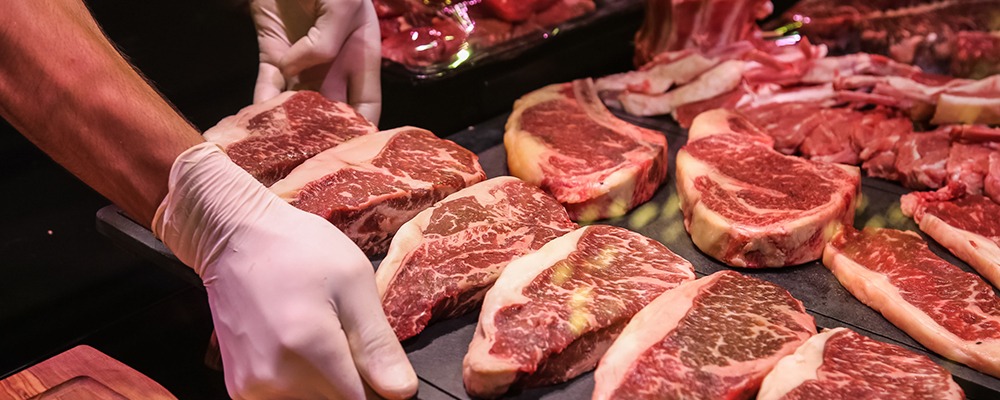
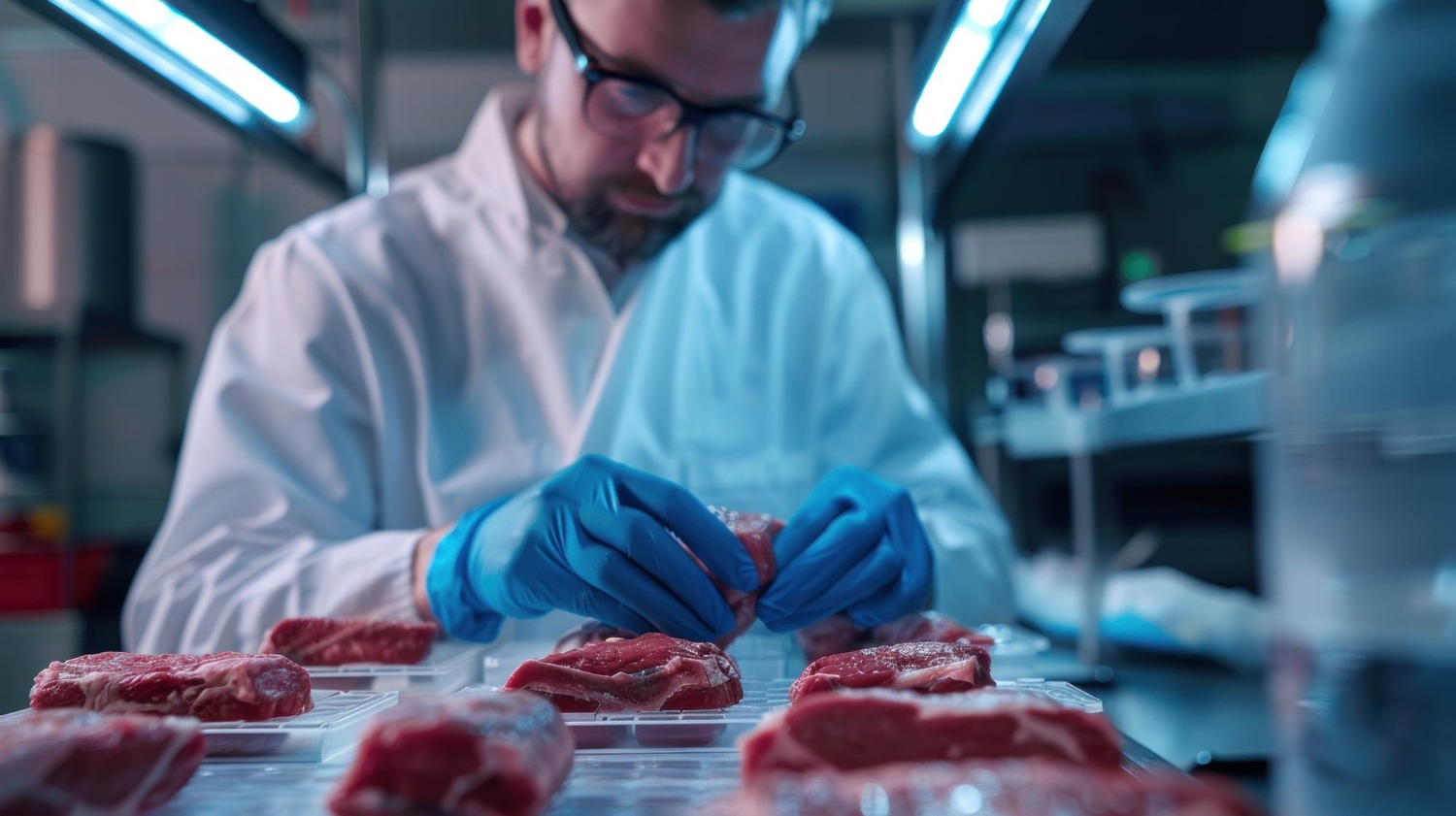
The meat industry is a critical part of global food production, supplying a wide range of products to consumers. To meet the growing demand for high-quality, flavorful, and tender meat, the industry constantly looks for innovative solutions. Among these, enzymes have become essential tools in improving meat processing efficiency, texture, flavor, and sustainability. This article explores the key challenges faced by the industry and how specific enzymes help overcome them.
What Problems Does the Industry Face, and How Do Enzymes Help?
The meat processing sector deals with various operational and quality-related challenges. Here’s how enzymes play a key role in addressing them:
- Toughness and Texture Variability
-
- Problem: Differences in animal age, breed, or muscle structure often lead to inconsistent tenderness.
- Enzyme Solution: Proteolytic enzymes break down muscle proteins and connective tissues, resulting in more uniformly tender meat.
- Low Processing Yield
-
- Problem: Loss of moisture and meat weight during marination, trimming, or cooking reduces final yield.
- Enzyme Solution: Certain enzymes improve water-binding capacity, which enhances yield and reduces weight loss during processing.
- Limited Flavor Development
-
- Problem: Some processed meats lack the depth of flavor found in traditionally aged or cured meats.
- Enzyme Solution: Lipases and proteases break down fats and proteins into flavor-rich compounds, improving taste and aroma.
- Casing Removal in Sausage Production
-
- Problem: Removing natural casings cleanly from sausages can be inefficient and time-consuming.
- Enzyme Solution: Collagen-targeting enzymes help weaken the casing structure, enabling smoother removal.
- Waste Management and Sustainability
-
- Problem: Disposal of protein-rich by-products increases environmental load.
- Enzyme Solution: Enzymatic treatment of waste converts proteins into useful peptides and amino acids, promoting reuse and reducing environmental impact.
Types of Enzymes
Enzymes used in the meat industry serve various roles, from tenderizing meat to enhancing flavor and improving texture. Below are the major enzyme types and their specific functions:
- Proteases (e.g., Papain, Bromelain, Ficin)
-
- Function: Break down muscle proteins and connective tissue for tenderization.
- Source: Plant-based (papaya, pineapple, fig) or microbial.
- Use: Commonly used in marination for beef, pork, and poultry to enhance tenderness.
- Transglutaminase (TGase)
-
- Function: Binds proteins by forming covalent bonds between amino acids (glutamine and lysine).
- Source: Microbial (typically Streptomyces species).
- Use: Improves texture, structure, and appearance of restructured or processed meat products like nuggets or cold cuts.
- Lipases
-
- Function: Break down fats into free fatty acids and glycerol, contributing to flavor and aroma.
- Source: Microbial, fungal, or animal.
- Use: Applied in dry-cured and fermented meats for enhanced flavor profiles.
- Collagenases
-
- Function: Degrade collagen in connective tissue, contributing to improved tenderness.
- Source: Bacterial (e.g., Clostridium histolyticum).
- Use: Ideal for processing tougher cuts or older animals where connective tissue is denser.
- Cathepsins and Calpains
-
- Function: Naturally occurring enzymes in animal tissue that help with postmortem tenderization.
- Source: Endogenous to the meat itself, activated during aging.
- Use: Support natural aging processes to enhance meat softness over time.
Conclusion
Enzymes play a vital role in modern meat processing by addressing challenges related to tenderness, yield, flavor, and sustainability. Their ability to modify proteins, fats, and connective tissues allows manufacturers to deliver consistent, high-quality meat products while improving operational efficiency. As the industry continues to grow, enzymes will remain key to innovation and product improvement.