
The grain distillery industry is a vital component of the alcohol production sector, responsible for converting cereal grains into ethanol and various alcoholic beverages. With the growing demand for higher yield, faster processing, and sustainable practices, enzymes have become indispensable tools in optimizing distillation processes.
What is Grain Distillery?
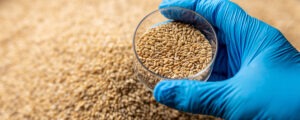
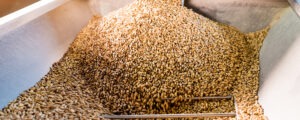
A grain distillery is a facility where alcohol is produced from cereal grains like maize, wheat, sorghum, barley, or rice. These grains undergo milling, cooking, saccharification, fermentation, and distillation to extract ethanol. The process involves converting complex starches in grains into fermentable sugars, which are then fermented by yeast to produce alcohol.
Grain distilleries are commonly used in the production of:
- Fuel ethanol
- Beverage alcohol (whiskey, vodka, etc.)
- Industrial ethanol used in pharmaceuticals, cosmetics, and sanitizers
What Problems Does the Industry Face, and How Do Enzymes Help?
Grain distilleries often face several operational and process-related challenges:
Challenges:
- Inefficient starch breakdown leading to low sugar availability for fermentation.
- High viscosity of mash, which hampers mixing, pumping, and heat transfer.
- Incomplete fermentation due to suboptimal sugar profiles.
- High energy and water consumption during cooking and liquefaction.
- Generation of foam during fermentation, affecting productivity.
- Presence of anti-nutritional factors in grain, reducing process efficiency.
How Enzymes Help:
Enzymes significantly improve the efficiency and economics of grain distillation by:
- Breaking down starch into fermentable sugars more effectively.
- Reducing viscosity for easier handling and lower energy use.
- Improving alcohol yield by enabling complete fermentation.
- Reducing processing time and resource consumption.
- Lowering the need for chemicals and high-temperature cooking.
- Enhancing the digestibility of spent grains (DDGS) used in animal feed.
Types of Enzymes Used in Grain Distillery
A variety of enzymes are used throughout different stages of grain distillation:
- Alpha-Amylase
Function: Liquefaction of starch
Stage: Cooking
Description:
Alpha-amylase breaks down long-chain starch molecules into shorter dextrins during the high-temperature liquefaction step. Thermostable alpha-amylases derived from Bacillus licheniformis or Bacillus stearothermophilus are commonly used.
Benefits:
-
- Reduces viscosity of mash
- Enhances flow and heat transfer
- Prepares starch for further saccharification
- Glucoamylase (Amyloglucosidase)
Function: Saccharification of dextrins to glucose
Stage: Saccharification
Description:
Glucoamylase converts dextrins produced by alpha-amylase into glucose units, which can be readily fermented by yeast into alcohol. It works efficiently at moderate temperatures and acidic pH.
Benefits:
-
- Maximizes fermentable sugar concentration
- Increases ethanol yield
- Reduces residual sugars
- Pullulanase (Debranching Enzyme)
Function: Hydrolyzes α-1,6-glycosidic bonds in starch
Stage: Saccharification (along with glucoamylase)
Description:
Pullulanase acts on branched points in starch, helping glucoamylase access more sites for saccharification.
Benefits:
-
- Improves saccharification efficiency
- Reduces enzyme dosage
- Shortens reaction time
- Cellulase and Hemicellulase (Optional for Whole Grain)
Function: Breakdown of fiber components
Stage: Pre-treatment (especially for whole grain or fiber-rich material)
Description:
These enzymes degrade cellulose and hemicellulose in the grain husk, increasing starch accessibility and improving mash filtration.
Benefits:
-
- Improves extractability
- Enhances nutrient availability
- Reduces filtration losses
- Protease
Function: Breaks down proteins into peptides and amino acids
Stage: Pre-fermentation
Description:
Protease helps in releasing free amino nitrogen (FAN), which supports yeast growth during fermentation.
Benefits:
-
- Boosts yeast health and fermentation rate
- Improves ethanol productivity
- Reduces need for external nitrogen sources
- Urease (for Beverage Alcohol)
Function: Breaks down urea to prevent ethyl carbamate formation
Stage: Pre-fermentation (mainly in beverage alcohol)
Description:
Urease reduces the risk of ethyl carbamate, a potential carcinogen, forming in the final product.
Benefits:
-
- Ensures regulatory compliance
- Improves product safety
Conclusion
The use of enzymes in the grain distillery industry not only enhances process efficiency but also improves product yield, reduces energy input, and supports sustainable practices. From liquefaction to saccharification and fermentation, enzymes streamline each step while ensuring high-quality and cost-effective alcohol production. As distilleries face increasing demand and tighter regulations, enzyme-based solutions offer a reliable and scalable approach to modernize operations and stay competitive.