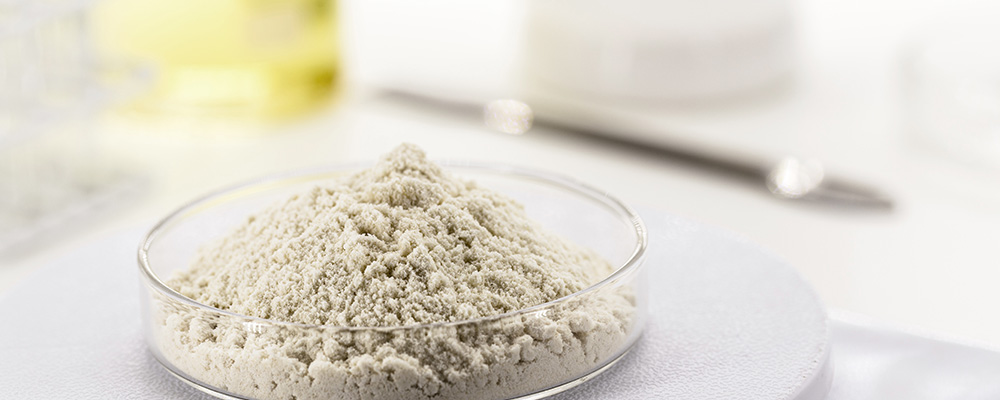

Grain starch liquefaction is a critical step in various industries, from bioethanol and brewing to food processing and sweetener production. At the heart of this process lies the use of enzymes that help transform complex starches into simpler sugars—making raw materials more accessible, usable, and efficient to process. This enzymatic transformation is key to achieving high yields, energy savings, and cost efficiency across multiple sectors.
In this article, we’ll explore the liquefaction process, the role of enzymes in it, the specific enzymes involved, the common problems faced by the industry, and how enzymes offer practical solutions.
What Is Grain Starch Liquefaction?
Liquefaction is the first enzymatic stage in converting grain starch into fermentable sugars. It involves breaking down gelatinized starch—mainly amylose and amylopectin—into shorter-chain dextrins through hydrolysis. This prepares the slurry for the subsequent saccharification step, where these dextrins are further converted into glucose or other sugars.
The process typically involves heating a slurry of milled grain and water, followed by enzymatic treatment under controlled conditions.
Key Enzymes Used in Starch Liquefaction
Enzymes are essential for efficient starch liquefaction, especially under industrial-scale conditions. The most commonly used enzymes include:
- Thermostable Alpha-Amylase
- Function: Hydrolyzes internal α-1,4-glycosidic bonds in gelatinized starch, converting it into soluble dextrins.
- Source: Commonly derived from Bacillus licheniformis or Bacillus amyloliquefaciens.
- Benefits: Works effectively at high temperatures (up to 90–105°C), reducing the need for external cooling during liquefaction.
- Pullulanase
- Function: Cleaves α-1,6-glycosidic bonds in amylopectin, making the starch more accessible to alpha-amylase.
- Benefit: Enhances liquefaction efficiency and glucose yield in saccharification.
- Proteases
- Function: Break down proteins in the slurry, reducing viscosity and releasing nutrients for microbial fermentation.
- Usage: Especially useful in ethanol fermentation to aid yeast growth.
What Problems Does the Industry Face, and How Do Enzymes Help?
The starch processing industry faces several technical and economic challenges, particularly in achieving high efficiency at lower cost. Here’s how enzymes help address these problems:
- High Energy Consumption
-
- Problem: Traditional starch liquefaction requires intense heat, leading to high energy bills.
- Enzymatic Solution: Thermostable alpha-amylases function efficiently at elevated temperatures, reducing the need for additional heating and improving process integration.
- Incomplete Starch Conversion
-
- Problem: Inadequate breakdown of starch results in lower sugar yields and process inefficiencies.
- Enzymatic Solution: A combination of alpha-amylase and pullulanase ensures thorough liquefaction and improved substrate accessibility during saccharification.
- Viscosity and Mixing Challenges
-
- Problem: High slurry viscosity impedes proper mixing and enzyme dispersion.
- Enzymatic Solution: Alpha-amylase reduces viscosity quickly by breaking down long-chain starch molecules, enabling easier handling and more uniform processing.
- Microbial Contamination Risk
-
- Problem: High-temperature environments can still be susceptible to microbial contamination during cooling phases.
- Enzymatic Solution: Using thermostable enzymes allows for rapid liquefaction at higher temperatures, shortening the microbial exposure window.
- Cost Pressure
-
- Problem: Industries aim to reduce input costs while maintaining quality and output.
- Enzymatic Solution: Enzymes offer higher specificity, faster reaction rates, and reduced chemical dependency—translating to lower costs and consistent product quality.
Applications of Enzymatic Liquefaction
Enzymatic starch liquefaction is widely applied in:
- Bioethanol production: Converts grain starch into fermentable sugars for ethanol fermentation.
- Brewing: Produces fermentable sugars from adjunct starches in beer production.
- Sweetener industry: Prepares starch for conversion into glucose, maltose, or high-fructose syrups.
- Food processing: Improves texture and sweetness in products like sauces, baby food, and instant soups.
Conclusion
Grain starch liquefaction is a cornerstone process in modern carbohydrate-based industries. The use of enzymes, especially thermostable alpha-amylases and debranching enzymes like pullulanase, has revolutionized the process by increasing efficiency, yield, and sustainability. By addressing key operational challenges and enhancing process reliability, enzyme-based liquefaction continues to pave the way for cost-effective and eco-friendly production across multiple sectors.