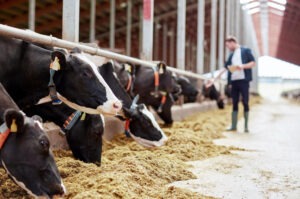

The animal feed industry is under constant pressure to improve efficiency, reduce costs, and meet the rising global demand for high-quality animal products. One of the most effective solutions has been the use of enzymes in animal feed, which help animals extract more nutrients from their diets. Enzymes are specialized proteins that act as biological catalysts, breaking down complex feed components into simpler, easily digestible forms.
By incorporating enzymes, feed manufacturers and farmers can improve nutrient absorption, enhance animal performance, reduce reliance on expensive supplements, and minimize environmental waste. This makes enzymes not just an additive, but a strategic tool for sustainable and profitable livestock production.
Why Enzymes Are Important in Animal Feed
The benefits of enzymes in feed go beyond simple digestion. They address several industry challenges:
- Nutrient Unlocking: Many plant-based feed ingredients contain anti-nutritional factors that limit digestibility. Enzymes release trapped nutrients, ensuring better utilization.
- Cost Efficiency: By improving feed conversion, enzymes reduce the need for additional protein and phosphorus supplements.
- Gut Health Support: Enzymes improve intestinal health by lowering viscosity and reducing undigested material that can ferment and cause digestive issues.
- Environmental Benefits: Better nutrient absorption lowers nitrogen and phosphorus excretion, reducing pollution and supporting sustainability goals.
- Flexibility in Raw Materials: Enzymes allow feed producers to include a wider range of ingredients, even those with high fiber or anti-nutritional content.
Types of Enzymes Used in Animal Feed
Enzymes are selected based on the feed composition, animal species, and specific nutritional challenges. Below are the most widely used enzyme categories and their detailed functions.
- Phytases
Phytases are among the most widely used feed enzymes. They break down phytic acid, the storage form of phosphorus in grains and oilseeds. Since monogastric animals like poultry and swine cannot digest phytic acid, a large portion of phosphorus goes unused without phytases.
-
- Function: Release phosphorus, calcium, and other minerals bound in phytate.
- Used in: Poultry, swine, aquaculture, and sometimes cattle diets.
- Benefits: Improves bone strength, growth performance, reduces inorganic phosphorus supplementation, and lowers phosphorus excretion into the environment.
- Proteases
Proteases improve protein utilization by hydrolyzing large protein molecules into smaller peptides and amino acids. Protein is one of the most expensive components of feed, so maximizing its digestibility is critical.
-
- Function: Break down proteins for better absorption and utilization.
- Used in: Poultry, swine, and aquaculture feeds.
- Benefits: Enhances muscle development, reduces the need for high protein inclusion, improves feed conversion, and lowers nitrogen waste.
- Amylases
Amylases play an important role in starch digestion. Starch is the primary source of energy in animal feed, especially in cereal-based diets.
-
- Function: Convert starch into simple sugars like glucose for faster energy release.
- Used in: Poultry and swine diets where high energy demand exists.
- Benefits: Improves energy availability, supports growth and feed efficiency, especially in young animals with underdeveloped digestive systems.
- Cellulases and Hemicellulases
Non-ruminant animals like poultry and pigs lack the ability to digest fibrous components such as cellulose and hemicellulose found in plant cell walls. These enzymes help release nutrients locked within fibrous material.
-
- Function: Break down plant fibers into digestible sugars.
- Used in: Poultry, swine, aquaculture, and sometimes dairy cattle diets.
- Benefits: Increases energy extraction from fibrous feed ingredients, improves feed efficiency, and enhances use of high-fiber raw materials.
- Xylanases
Xylanases specifically target arabinoxylans, which are non-starch polysaccharides (NSPs) commonly found in wheat, barley, rye, and corn. NSPs increase intestinal viscosity, hindering nutrient absorption.
-
- Function: Break down arabinoxylans, reducing intestinal viscosity.
- Used in: Poultry and swine diets containing wheat, rye, or barley.
- Benefits: Improves gut health, increases nutrient uptake, and boosts overall feed conversion efficiency.
- Beta-Glucanases
Beta-glucans are another type of NSP found in barley and oats, which can cause digestive problems in monogastric animals. Beta-glucanases help alleviate these issues.
-
- Function: Break down beta-glucans, reducing viscosity in the digestive tract.
- Used in: Poultry and swine diets with barley or oat-based feeds.
- Benefits: Improves nutrient digestibility, supports gut health, and enhances energy release.
- Lipases
Lipases aid in the digestion of fats and oils, which are concentrated sources of energy in animal diets.
-
- Function: Break down triglycerides into fatty acids and glycerol for absorption.
- Used in: Poultry, swine, and aquaculture diets, especially in young animals.
- Benefits: Enhances fat digestibility, supports energy balance, and improves feed efficiency in energy-dense diets.
Applications of Enzymes in Animal Feed
Enzymes are applied across different animal production systems, each with unique benefits:
- Poultry Feed: Widely used to improve digestibility of proteins, starch, and NSPs. Enzymes enhance growth, feed efficiency, and reduce digestive issues caused by viscous diets.
- Swine Feed: Proteases, amylases, and xylanases are common, helping improve nutrient utilization, support rapid growth, and reduce nitrogen and phosphorus waste.
- Cattle Feed: Fibrolytic enzymes like cellulases improve fiber breakdown in forage-based diets, enhancing rumen fermentation and milk production.
- Aquaculture Feed: Enzymes improve digestibility of plant proteins and carbohydrates, which are increasingly replacing fishmeal in aquafeeds. This supports growth, feed efficiency, and sustainability.
Conclusion
Enzymes in animal feed are transforming the way livestock, poultry, cattle, and aquaculture industries operate. By unlocking nutrients, improving feed efficiency, reducing costs, and lowering environmental impact, enzymes have become indispensable tools for sustainable animal production.
As feed formulations evolve and reliance on plant-based ingredients increases, the demand for tailored enzyme solutions will continue to grow. The future of animal nutrition will rely heavily on enzyme technology to balance productivity, profitability, and environmental responsibility.