

Tea is one of the most celebrated beverages in the world, with a history that stretches back thousands of years. Among its many varieties, white tea and green tea stand apart for their delicate flavours, subtle aromas, and acclaimed health benefits. Producing these teas at a premium quality level requires an intricate balance of tradition and technology. Increasingly, enzymes are playing a central role in refining tea processing methods to ensure consistency, purity, and excellence in every cup.
This article explores how enzymatic solutions are contributing to the craft of premium white and green teas, enabling tea producers to achieve precision, sustainability, and high consumer satisfaction.
The Science of Tea Processing
At its heart, tea making is a biochemical journey. Once plucked, tea leaves undergo a series of processes that shape their final taste, colour, and nutritional value. Unlike black tea, which relies on full oxidation, white and green teas demand minimal oxidation. This makes their production highly sensitive, as even a slight misstep can alter the end product’s character.
Enzymes, naturally present in tea leaves, act as key drivers of oxidation and other metabolic pathways. Polyphenol oxidase (PPO) and peroxidase, for instance, are responsible for catalysing browning reactions during oxidation. While black teas harness this enzymatic activity for bold flavour, green and white teas require careful suppression of these enzymes to preserve freshness and delicacy. This is where enzymatic insights and tailored enzyme formulations come into play.
White Tea: Preserving Natural Purity
White tea, often called the least processed of all teas, relies heavily on the natural state of the leaf. Traditionally, young buds and leaves are simply withered and dried. The challenge here is to ensure minimal enzymatic activity so that the tea retains its natural colour and delicate floral notes.
Controlled use of enzymes and enzyme inhibitors helps regulate PPO activity, reducing unwanted browning while protecting antioxidants like catechins. Specialised enzymatic formulations can also enhance the retention of amino acids such as theanine, which gives white tea its sweet, umami profile. By fine-tuning these delicate biochemical interactions, producers can ensure that white tea not only retains its aesthetic appeal but also carries a consistent flavour profile that appeals to discerning consumers.
Green Tea: Balancing Precision and Freshness
Green tea production requires a more structured process, where enzyme activity is quickly halted to prevent oxidation. This is typically achieved through steaming or pan-firing, processes that inactivate PPO and peroxidase enzymes. However, physical methods alone can sometimes lead to uneven inactivation or energy inefficiency.
Here, enzymatic precision offers remarkable benefits. By applying carefully chosen enzymatic solutions during pre-processing, producers can stabilise tea catechins, enhance chlorophyll retention, and maintain the vibrant green colour that consumers associate with quality. In addition, enzymes can improve the bioavailability of polyphenols, strengthening green tea’s position as a functional beverage with antioxidant and metabolic health benefits.
Enzymes and Tea Flavour Enhancement
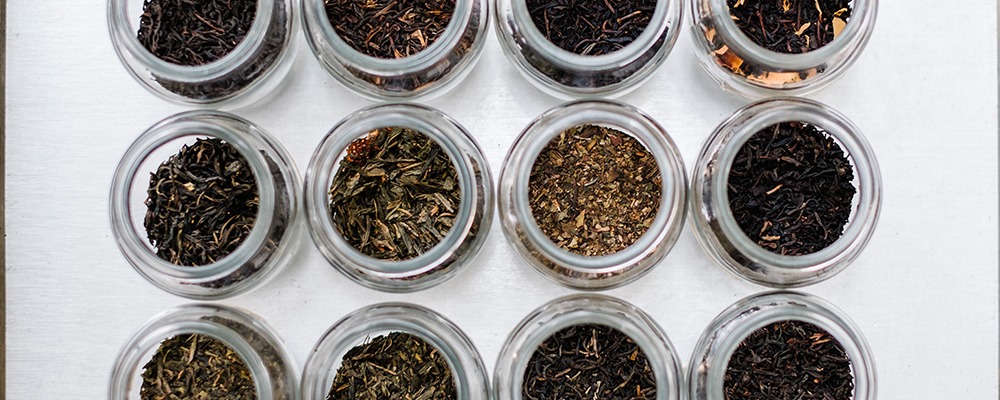
The flavour of premium teas depends not only on oxidation but also on the breakdown of complex compounds within the leaf. Cell wall-degrading enzymes such as cellulases and pectinases can be used in measured doses to release flavour precursors and aroma compounds. This controlled release contributes to smoother infusions and heightened aromatic profiles.
For instance, enzymatic treatment can free bound volatile compounds that contribute to fruity, floral, or grassy notes. In white and green teas, where subtlety is key, this precision allows tea masters to highlight nuanced flavours without overpowering the natural characteristics of the leaf.
Nutritional Optimisation through Enzymes
Modern consumers increasingly seek teas not only for taste but also for wellness. Both white and green teas are rich in polyphenols, catechins, flavonoids, and other bioactive compounds. Enzymatic processes can help maximise the extraction and preservation of these compounds.
Tailored enzyme formulations assist in:
- Enhancing the stability of antioxidants during processing.
- Breaking down compounds that interfere with nutrient absorption.
- Reducing bitterness by modifying certain polyphenols.
The result is a tea that not only tastes premium but also carries greater health benefits, meeting the dual demand for indulgence and wellness.
Sustainability and Eco-friendly Processing
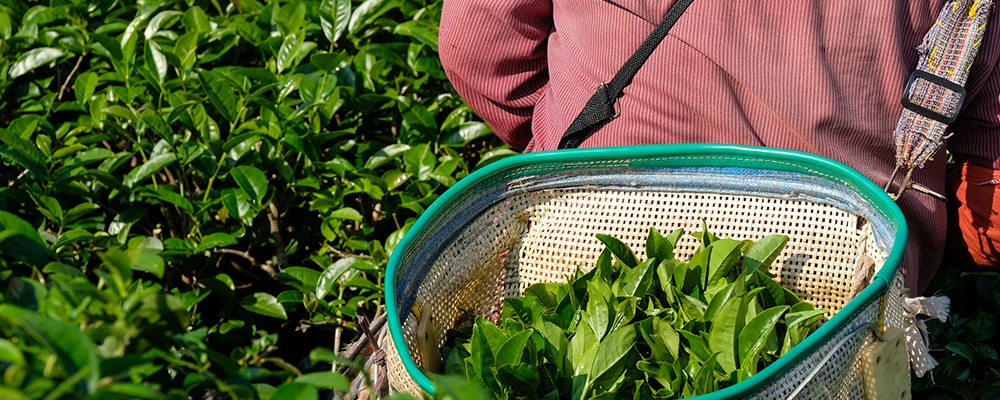
The global tea industry is under increasing pressure to adopt greener practices. Conventional methods of processing, particularly those involving high energy consumption for enzyme inactivation, contribute to a larger carbon footprint.
Enzyme-based interventions present an eco-friendly alternative. By reducing reliance on energy-intensive steps, enzymatic solutions help producers achieve greater efficiency while maintaining or even enhancing tea quality. Moreover, enzymes themselves are biodegradable and safe, aligning perfectly with the movement towards sustainable food and beverage production.
Meeting Global Standards of Consistency
Premium teas are often judged on consistency. Consumers expect the same aroma, flavour, and colour in every brew. Achieving this is challenging due to variations in leaf quality, harvest seasons, and climatic conditions.
Enzyme formulations provide a level of control that bridges this gap. By regulating biochemical reactions within the tea leaves, producers can ensure standardised outputs even when raw materials vary. This not only secures brand reputation but also instils consumer confidence.
The Future of Enzymes in Tea Innovation
Looking ahead, enzymes are poised to revolutionise tea beyond tradition. Research is underway to explore enzyme-assisted fermentation for crafting novel tea varieties, enzymatic pathways for enhanced caffeine management, and even the development of tea-based nutraceuticals.
Enzyme technology also supports diversification, allowing manufacturers to extend beyond loose-leaf teas into ready-to-drink beverages, instant teas, and functional blends fortified with probiotics or herbal extracts. Enzymes ensure that these products retain the essence of premium tea while meeting modern convenience and wellness demands.
Conclusion
White and green teas have always symbolised delicacy, purity, and health. Yet behind their subtle charm lies a complex science of biochemical control. Enzymes, whether by regulating oxidation, releasing flavour compounds, or preserving antioxidants, are enabling tea producers to achieve precision in every stage of production. The result is a cup that is consistent, flavourful, and brimming with wellness benefits. At the same time, enzymatic interventions are fostering eco-friendly practices, ensuring that premium tea aligns with sustainability goals.
At Biolaxi Enzymes Pvt Ltd, this vision of precision and sustainability is at the forefront. With over 14 years of expertise in developing innovative and eco-safe enzyme formulations, Biolaxi provides customised solutions for food and beverage industries worldwide. Their scientific and engineering excellence, coupled with a commitment to quality, makes them a dependable partner for crafting exceptional teas and other specialty products. For producers seeking to combine tradition with innovation, Biolaxi stands ready to deliver enzyme solutions that transform possibilities into premium results.