
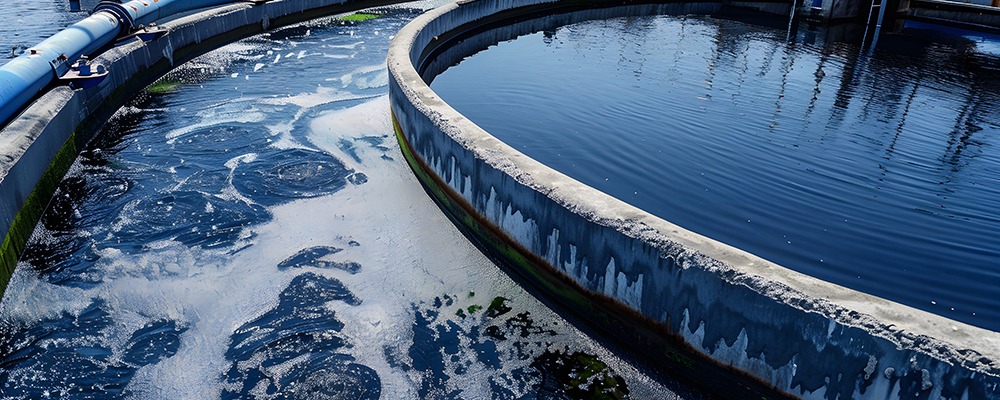
Water is the lifeblood of industries worldwide. From manufacturing plants and food processing units to textile mills and pharmaceutical facilities, water is central to nearly every process. Yet, industrial water treatment remains a complex challenge. For decades, the industry has relied on strong chemical formulations to maintain water quality, remove impurities, and control microbial growth. While effective, these chemicals often come at an environmental and financial cost, raising an important question: can enzymes, the eco-friendly biological catalysts, offer a sustainable alternative?
The Problems with Harsh Chemicals in Water Treatment
Conventional water treatment involves the use of harsh chemicals such as chlorine, caustic soda, sulphuric acid, biocides, and coagulants. These substances are designed to target specific problems like scaling, microbial growth, and organic contaminants. While they may solve one issue, they often create new ones.
For instance, chlorine is a powerful disinfectant, but its reaction with organic matter in water can generate harmful by-products like trihalomethanes, which are linked to health hazards. Similarly, acids and alkalis used to adjust pH can lead to corrosive effects on equipment, increasing maintenance costs and shortening the lifespan of machinery. Biocides, though effective against bacteria and fungi, can accumulate in ecosystems, posing risks to aquatic life and biodiversity.
Another challenge is the cost and logistics of handling these chemicals. They require strict safety measures for storage, transportation, and use. Workers must be trained to deal with spills, leaks, and exposure risks. In regions with strict environmental regulations, industries also face growing compliance costs linked to chemical discharge.
This scenario has created a need for greener, safer, and more sustainable alternatives that not only perform effectively but also reduce the ecological footprint. Enzymes, with their proven versatility in several industries, are now gaining attention as a viable solution.
Understanding Enzymes in Industrial Applications
Enzymes are biological catalysts that accelerate natural chemical reactions without being consumed in the process. Derived from microorganisms, plants, and animals, enzymes are highly specific in their action, targeting particular molecules and breaking them down into simpler, harmless forms.
In industries such as baking, sugar processing, bioethanol production, and textiles, enzymes have already demonstrated their efficiency in replacing synthetic chemicals. For instance, enzymes in textile processing reduce the need for harsh bleaching agents, while in baking, they improve dough handling and quality without chemical improvers. This track record has laid the foundation for exploring enzyme-based solutions in water treatment.
Enzymes work under mild conditions, often at moderate temperatures and pH levels, reducing the need for extreme chemical adjustments. They are biodegradable and do not accumulate in the environment, making them an attractive option for industries under pressure to embrace sustainable practices.
How Enzymes Can Transform Industrial Water Treatment
1. Breaking Down Organic Contaminants
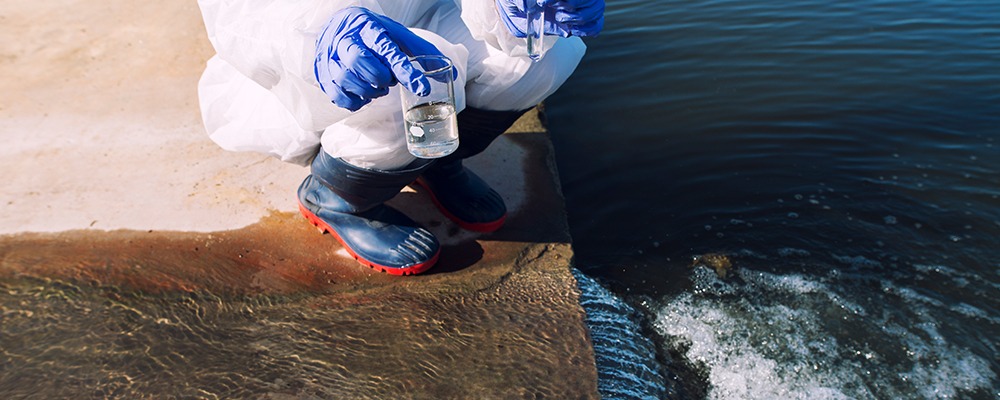
Industrial wastewater often contains organic pollutants such as oils, fats, proteins, and carbohydrates. Traditionally, surfactants and oxidising agents are used to degrade these substances. Enzymes such as lipases, proteases, and amylases can achieve the same effect by specifically targeting fats, proteins, and starches, converting them into water-soluble, biodegradable forms. This not only improves water quality but also reduces the load on subsequent treatment stages.
2. Controlling Biofilm Formation
Biofilms, formed by bacteria adhering to surfaces in water systems, are a persistent problem in industries ranging from food processing to pharmaceuticals. Conventional methods involve the use of chlorine, ozone, or biocides. Enzymes like cellulases and proteases can disrupt the extracellular polymeric substances (EPS) that hold biofilms together. By breaking down these structural components, enzymes weaken and eliminate biofilms without toxic residues.
3. Reducing Scaling and Deposits
Scaling caused by minerals such as calcium carbonate or silicates can clog pipelines and heat exchangers, reducing operational efficiency. While chemical descalers are effective, they are corrosive and hazardous to handle. Enzymes can help by preventing the binding of minerals or by modifying organic matter that contributes to scale formation. In some cases, enzyme-based pre-treatment of feed water can reduce scaling significantly, cutting down on chemical consumption.
4. Supporting Bioremediation Efforts
Enzymes can complement microbial consortia used in biological treatment systems. By breaking down complex molecules into simpler compounds, enzymes make nutrients more accessible to microbes, enhancing overall treatment efficiency. This synergy between enzymes and microorganisms is particularly useful in industries generating high loads of wastewater rich in organic matter.
5. Cost and Efficiency Advantages
Although enzymes may initially appear costlier than conventional chemicals, their efficiency and specificity often translate to long-term savings. Since they work in small doses and under mild conditions, energy costs for heating and pH adjustments are reduced. Equipment also lasts longer as enzymes are non-corrosive, cutting down on repair and replacement expenses. Furthermore, compliance costs related to chemical discharge are minimised, as enzymes are biodegradable and environmentally safe.
The Challenges and Limitations
While the potential of enzymes in industrial water treatment is immense, it is important to acknowledge the challenges. Enzymes are sensitive to extreme conditions such as very high temperatures, unusual pH levels, or the presence of chemical inhibitors in wastewater. This makes them less suitable in certain harsh industrial environments without modification or stabilisation.
However, advancements in biotechnology are steadily overcoming these limitations. Immobilised enzyme technology, where enzymes are bound to solid supports, enhances their stability and reusability. Genetic engineering is also enabling the development of enzyme variants tailored for specific industrial applications, making them more robust and cost-effective.
The Future of Water Treatment: A Shift Towards Sustainability
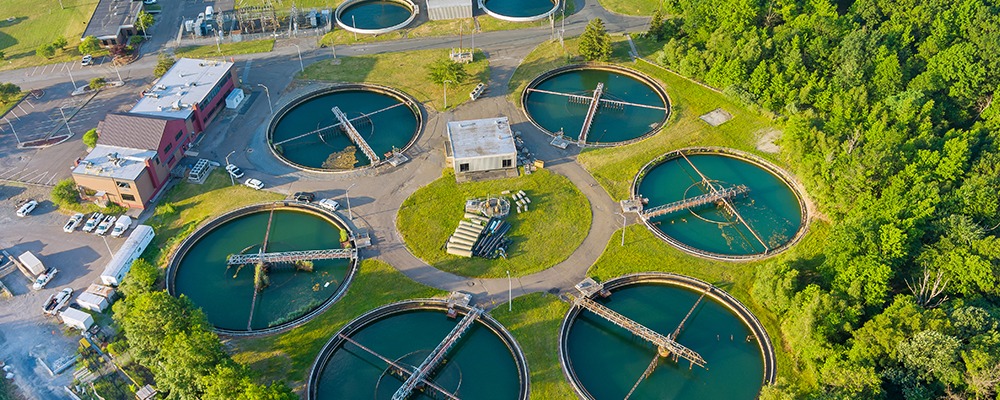
As industries worldwide face mounting pressure to reduce their environmental footprint, the search for sustainable alternatives is intensifying. Enzymes, with their natural origin, targeted action, and eco-friendly profile, are well positioned to play a larger role in industrial water treatment. They represent not just a replacement for harsh chemicals, but a paradigm shift towards processes that align industrial growth with environmental responsibility.
Governments and regulatory bodies are also pushing for reduced chemical usage in wastewater management. In this context, enzymes could become integral to compliance strategies, offering industries a way to meet regulatory standards without compromising on efficiency.
Conclusion
The question of whether enzymes can replace harsh chemicals in industrial water treatment does not have a simple yes or no answer. What is clear, however, is that enzymes offer significant advantages in terms of sustainability, safety, and long-term cost efficiency. They can handle organic contaminants, disrupt biofilms, reduce scaling, and work in harmony with biological systems. While challenges remain in terms of stability and cost perception, ongoing innovations are making enzymes increasingly viable across diverse industrial environments.
At Biolaxi Enzymes, we believe in the power of enzymes to redefine industrial processes for a cleaner, greener future. With years of expertise in enzyme formulations for diverse industries, we continue to invest in research and development to create solutions that meet the evolving needs of businesses worldwide. Our commitment lies in delivering high-quality, customised enzyme solutions that not only enhance efficiency but also promote eco-safe and sustainable practices.