

The textile industry has undergone significant technological advancement, yet fibre damage remains one of its most persistent challenges. From excessive strength loss to surface roughness and uneven fabric appearance, harsh fibre damage directly impacts product quality, process efficiency and customer satisfaction. As suppliers strive for higher performance fabrics and sustainable production practices, controlled enzyme processing has emerged as a precise and reliable solution to manage fibre integrity while delivering consistent results.
Enzyme technology is redefining how textile fibres are treated by replacing aggressive chemical processes with biologically driven precision. By acting selectively on specific fibre components, enzymes allow producers to address damage without compromising fabric strength or appearance.
Understanding Harsh Fibre Damage in Textile Processing
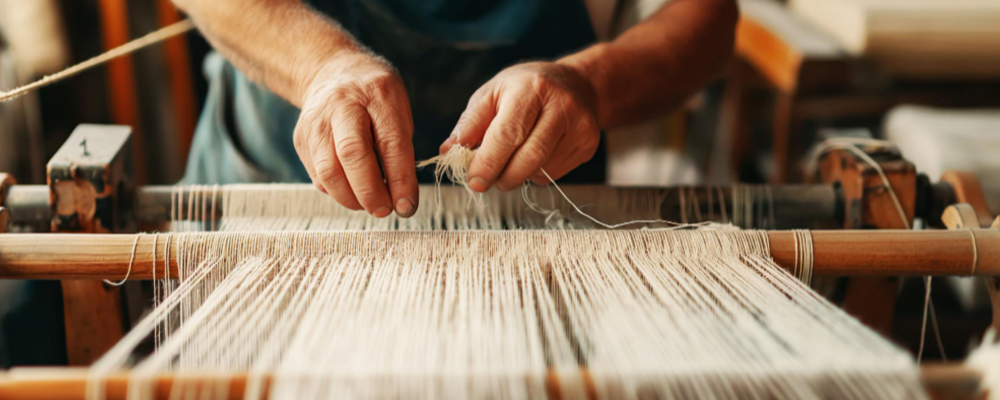
Harsh fibre damage typically occurs during wet processing stages such as desizing, scouring, bleaching and finishing. Conventional chemical treatments often rely on high alkalinity, elevated temperatures and prolonged processing times. While effective in removing impurities, these conditions can weaken fibres, increase fibrillation and lead to irreversible structural degradation.
Natural fibres such as cotton are particularly vulnerable, as excessive treatment can break cellulose chains, resulting in loss of tensile strength and reduced fabric lifespan. Synthetic and blended fibres are not immune either, often experiencing surface etching and uneven texture when exposed to harsh processing environments.
Limitations of Conventional Chemical Treatments
Traditional chemical processing methods prioritise speed and bulk efficiency but lack precision. Chemicals act broadly rather than selectively, attacking both unwanted impurities and essential fibre components. This indiscriminate action increases the likelihood of over processing, especially when batch conditions fluctuate.
Additionally, harsh chemicals contribute to high water consumption, difficult effluent treatment and increased operational risk. In a regulatory environment that increasingly prioritises sustainability and worker safety, these limitations have become impossible to ignore.
Enzymes as a Controlled Alternative
Enzymes offer a fundamentally different approach to fibre treatment. As biological catalysts, they target specific substrates without disturbing the overall fibre structure. This selectivity enables controlled processing, where only unwanted materials such as protruding fibres, residual starches or surface fuzz are removed.
Because enzymes function effectively under moderate conditions, they significantly reduce the mechanical and chemical stress placed on fibres. The result is a gentler process that preserves strength, softness and fabric uniformity.
Enhancing Fibre Strength and Fabric Longevity
One of the key advantages of enzyme processing is the preservation of fibre strength. Unlike strong alkalis that weaken cellulose chains, enzymes act only on accessible surface components. This controlled action prevents excessive fibre breakage and maintains the internal structure of the yarn.
By reducing damage at the microscopic level, enzyme processing enhances fabric durability. Garments retain their appearance and performance over repeated use and washing cycles, increasing their overall value and lifespan.
Improving Fabric Surface Quality
Surface defects such as fuzz, pilling and uneven texture are common consequences of harsh processing. Enzymatic treatments, particularly bio polishing, address these issues with precision. Enzymes selectively remove loose fibres from the fabric surface, resulting in a smoother and cleaner finish.
This improvement in surface quality enhances colour uniformity, dye uptake and overall aesthetic appeal. For suppliers producing high quality textiles, controlled enzyme processing offers a competitive advantage without compromising fibre integrity.
Consistency Through Process Control
Consistency is a critical requirement in textile manufacturing. Enzyme based processes are inherently more controllable than chemical treatments. Parameters such as temperature, pH and treatment time can be finely adjusted to achieve repeatable outcomes across batches.
This predictability reduces reprocessing, minimises quality variations and improves overall production efficiency. Controlled enzyme processing ensures that fibre treatment remains uniform, even at industrial scale.
Reduced Environmental Impact and Effluent Load
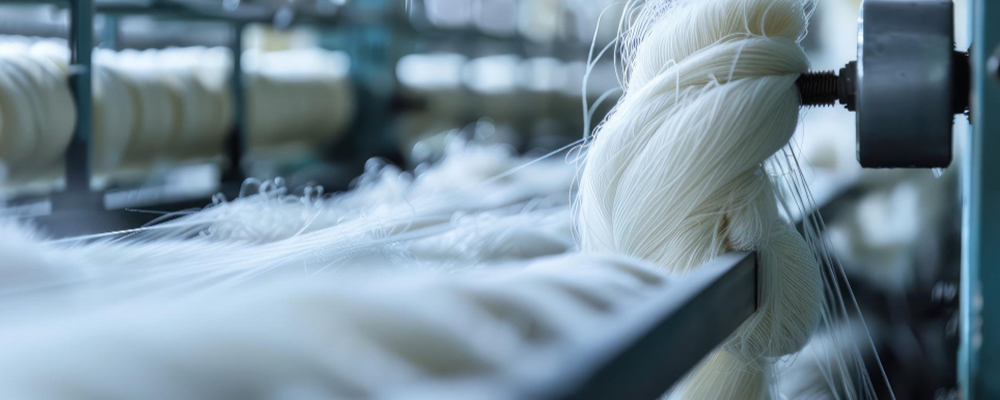
Enzyme processing aligns closely with sustainable manufacturing objectives. Because enzymes are biodegradable and require milder operating conditions, they reduce chemical load in effluents and lower water and energy consumption.
Effluent treatment becomes simpler and more cost effective, while compliance with environmental standards is easier to maintain. For textile units operating under increasing regulatory oversight, this environmental benefit is both strategic and operationally significant.
Supporting Modern Textile Applications
As textile applications diversify into technical textiles, performance wear and specialised fabrics, the need for precise fibre treatment has increased. Enzymes provide the flexibility required to process different fibre types and blends without aggressive adjustments to process conditions.
Controlled enzyme processing supports innovation by enabling customised treatments tailored to specific end use requirements. This adaptability makes enzymes an essential component of modern textile processing strategies.
Conclusion
Harsh fibre damage is no longer an unavoidable consequence of textile processing. Through controlled enzyme processing, producers can achieve effective fibre treatment while preserving strength, improving surface quality and ensuring process consistency. Enzymes offer a scientifically sound and industrially viable solution to balance performance, efficiency and sustainability.
In this context, Biolaxi Enzymes plays a meaningful role by delivering specialised textile enzyme solutions designed to minimise fibre damage, enhance fabric quality and support environmentally responsible processing across diverse textile applications.