
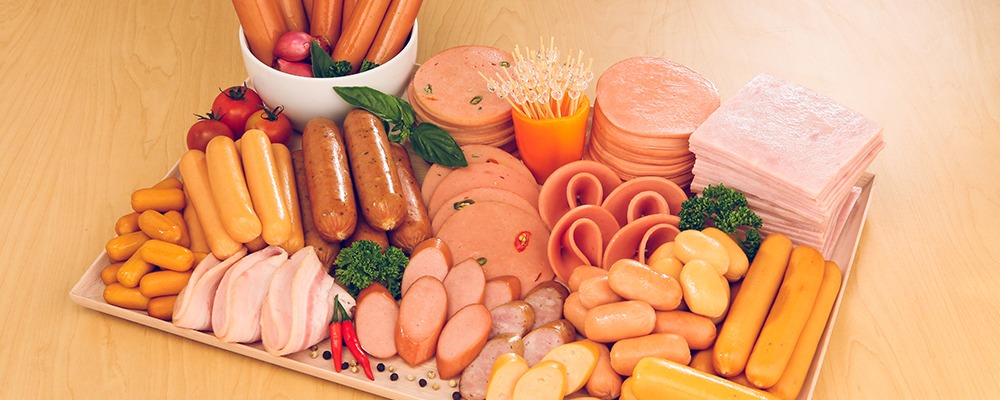
The global demand for processed meat products has been steadily increasing, fuelled by changing lifestyles, convenience-driven consumption, and the growing appetite for protein-rich foods. While taste, texture, and shelf-life are the most visible aspects of processed meat, what lies behind these qualities is a complex interplay of proteins and functional ingredients. Among these, enzymes have emerged as one of the most effective tools in enhancing protein functionality, ensuring that processed meats deliver on quality, consistency, and consumer expectations.
Enzymes are biological catalysts that accelerate chemical reactions in food processing without being consumed in the process. In the context of processed meats, they help optimise protein behaviour, thereby improving texture, binding ability, flavour release, juiciness, and stability. By doing so, enzymes not only refine the sensory experience but also contribute to cost efficiency and sustainability in meat processing.
Understanding Protein Functionality in Processed Meat
Proteins are the structural backbone of meat products. Their ability to bind water, emulsify fats, form gels, and provide structural integrity determines the success of processed items such as sausages, hams, nuggets, and meat patties. However, native proteins in meat are not always sufficient to deliver the desired outcomes, especially when subjected to modern processing techniques such as grinding, heating, or freezing.
Protein functionality is affected by several factors including pH, ionic strength, temperature, and mechanical stress during processing. This is where enzymes step in, offering targeted modifications that enhance protein performance in controlled and predictable ways.
Key Enzymes Used in Processed Meat Applications
Different classes of enzymes are employed to improve specific attributes of processed meats:
1. Proteases
Proteases are enzymes that break down proteins into peptides and amino acids. In meat processing, controlled use of proteases improves tenderness by modifying muscle proteins. This results in a softer bite and improved palatability. Proteases also enhance the solubility of proteins, enabling better emulsification and water retention, both of which are essential in sausages and other emulsified meat products.
2. Transglutaminase
Commonly referred to as the “meat glue” enzyme, transglutaminase catalyses cross-linking reactions between protein molecules. This creates a stronger protein network, improving texture, cohesiveness, and sliceability. It allows processors to bind smaller cuts of meat into larger portions, reducing waste and improving product value. The enzyme also supports reduced-fat formulations by compensating for the textural losses typically seen when fat is lowered.
3. Lipases
Although primarily associated with fat breakdown, lipases play a role in flavour development in cured and fermented meats. By releasing fatty acids, lipases enhance aroma and taste profiles, giving products their characteristic richness and depth.
4. Phospholipases
These enzymes improve emulsification by modifying phospholipids, which stabilises fat-protein interactions in processed meats. The result is enhanced juiciness, a more uniform structure, and extended shelf-life.
Enhancing Water-Holding Capacity
One of the biggest challenges in processed meat production is water retention. Excessive water loss during cooking or storage can lead to dry textures, poor yields, and consumer dissatisfaction. Enzymes such as transglutaminase strengthen protein-protein interactions, which trap water molecules more effectively. Proteases, on the other hand, improve protein solubility, allowing proteins to bind water more efficiently. The combined effect is juicier products with consistent weights and textures.
Improving Texture and Bite
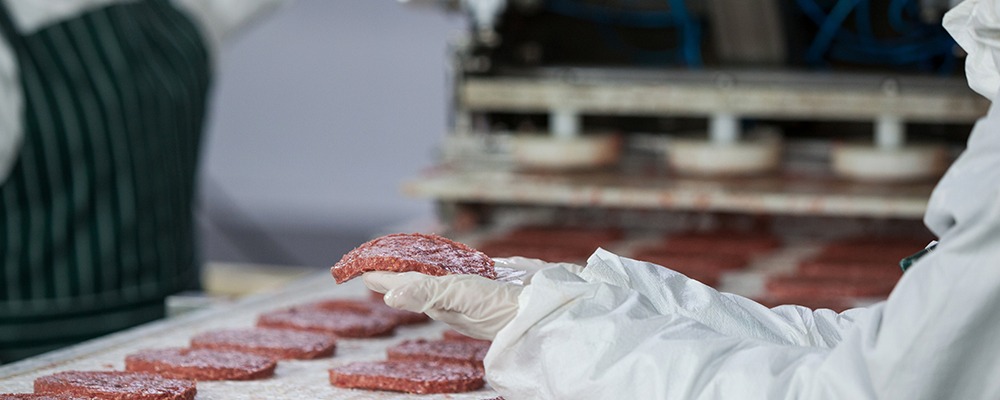
Texture defines consumer perception of quality in meat products. Whether it is the snap of a sausage or the chew of a burger, enzymes help tailor texture to match consumer expectations. Transglutaminase enhances firmness and cohesiveness, while proteases fine-tune tenderness. This precise control over protein structure ensures that products are neither too tough nor too soft, but balanced and appealing.
Supporting Clean Label and Cost Reduction
Enzymes also help manufacturers meet clean label demands. Consumers are increasingly cautious of synthetic additives and phosphates traditionally used to enhance protein functionality. Enzymes provide a natural alternative, reducing reliance on chemical additives while still achieving desired product qualities.
Additionally, enzymes contribute to cost optimisation. By improving binding and water-holding capacity, they allow better utilisation of raw materials, reduce cooking losses, and minimise waste. Transglutaminase, for example, enables processors to bind trimmings and smaller cuts into higher-value portions, maximising yield from every batch.
Application in Different Processed Meat Categories
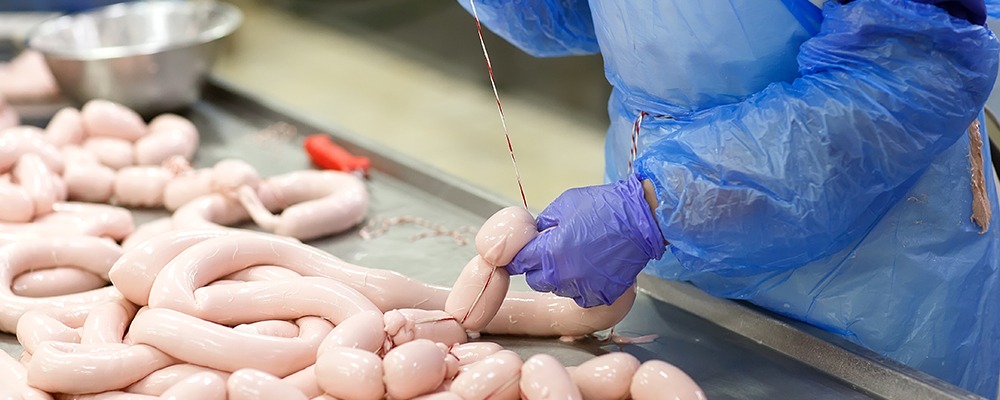
Enzymes find wide application across various processed meat products:
- Sausages and Frankfurters: Enhanced binding, juiciness, and emulsion stability.
- Hams and Deli Meats: Improved sliceability and cohesive texture.
- Meat Patties and Burgers: Balanced tenderness and juiciness with reduced shrinkage.
- Cured and Fermented Meats: Improved flavour development through lipase activity.
- Low-Fat and Reduced-Salt Products: Compensated texture and mouthfeel in healthier formulations.
The Role of R&D and Customisation
Every processed meat product has unique requirements depending on the raw material quality, formulation, and intended consumer experience. Hence, enzyme solutions are often customised. A strong R&D approach ensures that the right enzyme blend and dosage are developed for each application. Manufacturers are increasingly collaborating with enzyme specialists to create tailored solutions that improve product quality while keeping costs under control.
Looking Ahead: Enzymes in Sustainable Meat Processing
Sustainability is a growing priority in the food industry. Enzymes contribute by improving raw material efficiency, reducing energy use, and enabling the production of lower-fat, lower-salt, and clean-label meat products. They also support the growing market for plant-based meat analogues, where protein functionality is critical to replicating the texture and taste of traditional meat.
By unlocking the full potential of proteins, enzymes are shaping the future of meat processing. They are not only tools for quality improvement but also enablers of innovation and sustainability.
Conclusion
The role of enzymes in processed meat goes far beyond tenderisation or flavour. They act as precision tools that enhance protein functionality, creating products that are juicy, tasty, and consistent in quality. From improving water-holding capacity and texture to enabling cost savings and clean label formulations, enzymes are indispensable in modern meat processing. Their versatility makes them suitable across multiple product categories, while their natural origin aligns with consumer expectations for safe and sustainable food.
Biolaxi Enzymes Pvt Ltd, with its extensive expertise in customised enzyme solutions, continues to support the global food industry with innovative and eco-friendly formulations. With a commitment to quality, reliability, and customer-centric innovation, Biolaxi delivers enzyme products that enhance performance while promoting sustainable practices. As a trusted partner, the company empowers meat processors to achieve excellence in every batch, reinforcing its position as a dependable name in industrial enzymes.