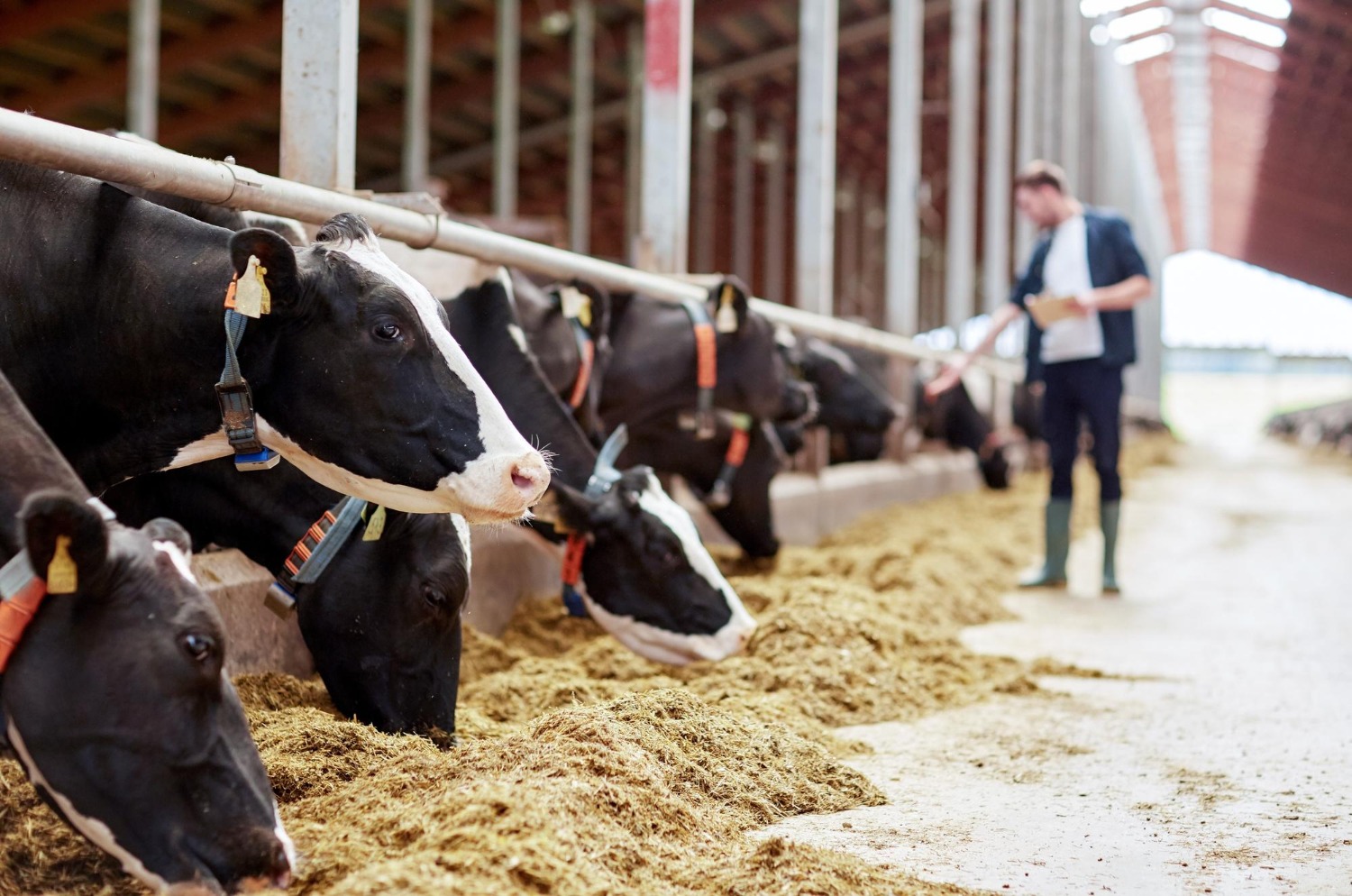
The animal feed industry produces and distributes feed for livestock, poultry, aquaculture, and pets. Its role is to convert raw ingredients into nutritionally balanced feeds that support efficient production of meat, milk, eggs, fish, and other animal products. Feed manufacturers ensure that nutrients are stable, digestible, and available for animals while maintaining sustainability and feed quality.
With rising demand for animal protein, feed efficiency has become more important than ever. Enzymes are now a critical part of feed formulations because they enhance digestibility, nutrient absorption, and animal performance. They also improve feed processing efficiency, storage stability, and environmental sustainability. By mitigating anti-nutritional factors and maximizing nutrient availability, enzymes help the industry meet both economic and nutritional goals.
Challenges in the Animal Feed Industry and How Enzymes Help
The animal feed industry faces challenges such as high feed costs, nutrient loss during processing, anti-nutritional factors in plant ingredients, and limited digestibility in monogastric animals like poultry, pigs, and fish. Raw material variability further complicates feed formulation, as soybean meal, corn, wheat, and by-products like rice bran can vary in nutrient composition and digestibility depending on growing conditions and processing methods.
Many ingredients contain compounds such as phytic acid, non-starch polysaccharides (NSPs), and trypsin inhibitors that bind essential nutrients or reduce their absorption, limiting growth and feed efficiency.
Enzymes provide a practical solution. They break down anti-nutritional components, release trapped nutrients, and improve absorption. These biological catalysts allow animals, particularly monogastric species, to extract more nutritional value from their food. Enzymes act on carbohydrates, proteins, fats, and fibers, converting them into simpler, absorbable forms that enhance feed conversion, growth performance, and nutrient utilization.
Types of Enzymes Used in the Animal Feed Industry
Enzymes are selected based on feed ingredients, animal species, and desired nutritional outcomes. Each type plays a specific role in improving feed quality and efficiency.
Phytase
Phytase is the most widely used feed enzyme. It hydrolyzes phytic acid in soybean meal, corn, wheat, and rice bran, releasing phosphorus, calcium, and other bound minerals. This improves bone development, growth, and overall nutrient absorption. Its use reduces the need for supplemental inorganic phosphorus, lowering feed costs and minimizing phosphorus excretion into the environment.
Xylanase
Xylanase targets arabinoxylans and other NSPs in cereals such as wheat, barley, and rye. By reducing intestinal viscosity, it improves nutrient release and digestibility, especially in poultry and swine diets. It is often combined with beta-glucanase to enhance fiber degradation and energy release.
Beta-glucanase
Beta-glucanase breaks down beta-glucans found in barley, oats, and wheat. These compounds can cause high gut viscosity, reducing nutrient uptake in monogastric animals. The enzyme improves energy availability, protein utilization, and gut health, making it valuable in poultry, swine, and aquaculture diets.
Protease
Protease improves protein digestibility by breaking down complex proteins and reducing the effects of anti-nutritional proteins like trypsin inhibitors in soybean meal. This allows animals to utilize protein more efficiently, reduces nitrogen excretion, and lowers the need for expensive protein supplementation.
Amylase
Amylase hydrolyzes starch into glucose, improving carbohydrate digestibility and energy availability. It is particularly useful in young animals with immature digestive systems and in aquaculture where starch digestibility is limited. While its commercial use is less common than phytase or xylanase, it provides important benefits in specialized feeds.
Cellulase and Hemicellulase
Cellulase and hemicellulase break down cellulose and hemicellulose, the structural carbohydrates in plant cell walls. They are most beneficial in ruminant diets, where they support microbial fermentation and fiber utilization, leading to improved milk and meat yields. In monogastric animals, their use is more limited and often experimental, but they are sometimes included in multi-enzyme complexes to support fiber digestion.
Future Applications of Enzymes in Animal Feed
The future of feed enzymes is driven by innovation, efficiency, and sustainability. Advances in biotechnology are producing enzymes that are highly specific, thermostable, and resilient under processing conditions such as pelleting, extrusion, and storage. These innovations improve consistency and allow for reduced reliance on supplemental nutrients.
Emerging applications include enzymes designed to support gut microbiota balance, enhance immune function, and reduce methane emissions in ruminants. Another growing area is the use of enzymes to enable alternative feed ingredients such as insect protein, algae, and agricultural by-products without compromising nutritional value or digestibility.
Such innovations will help the animal feed industry address environmental concerns, reduce costs, and expand ingredient options while maintaining animal health and productivity.
Conclusion
Enzymes are indispensable in the animal feed industry. They enhance digestibility, nutrient absorption, growth, and animal health while also supporting feed processing and sustainability. Each enzyme, from widely used phytase and xylanase to more specialized options like amylase and cellulase, plays a distinct role in improving feed efficiency and overcoming anti-nutritional factors.
By improving the utilization of energy, protein, fats, and minerals, enzymes help livestock, poultry, aquaculture, and pets achieve better health and performance. This translates into higher milk yields, better meat and egg quality, faster fish growth, and improved efficiency across animal production systems.
Looking ahead, enzyme innovations will further strengthen the industry’s ability to reduce feed costs, increase sustainability, and improve the quality of animal-derived food products. Their dual role in feed processing and animal diets will continue to make them essential tools for farmers and feed manufacturers worldwide.