
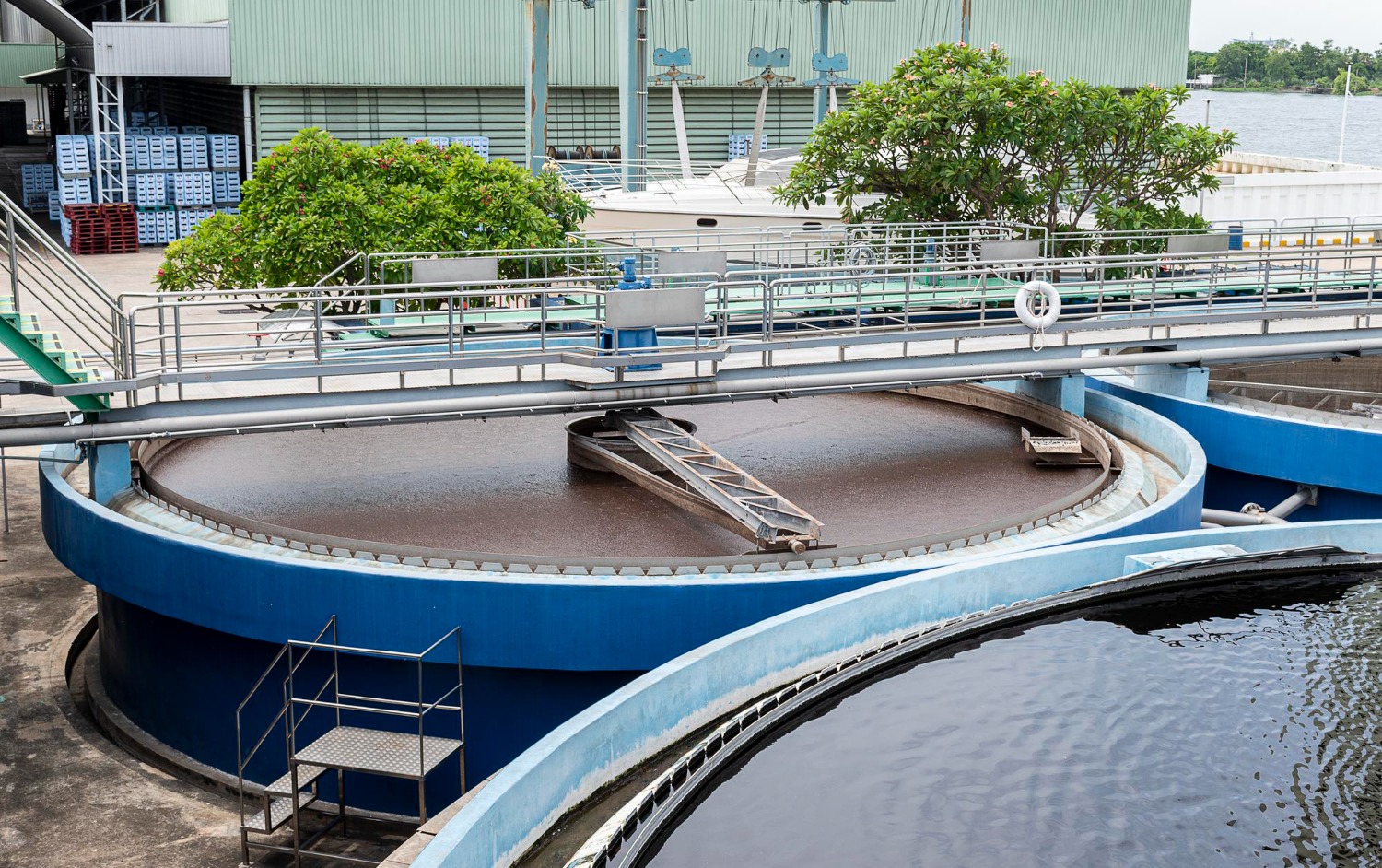
Wastewater treatment is vital for protecting ecosystems, human health, and water resources. Traditional treatment methods often rely on chemical and physical processes, which can be energy-intensive, costly, and environmentally challenging. Enzymes have emerged as a sustainable and effective alternative, offering specificity, efficiency, and lower environmental impact. These biological catalysts accelerate the breakdown of pollutants, improve biodegradability, reduce sludge yield under the right conditions, and support stable treatment plant operation.
What Problems Does Wastewater Treatment Face, and How Do Enzymes Help?
Wastewater contains a wide range of contaminants originating from industrial discharges, municipal sewage, and agricultural runoff. These include proteins, fats, oils, starches, cellulose, phenolic compounds, and nitrogenous wastes. Such complex mixtures are difficult to degrade using conventional techniques, leading to sludge build-up, unstable biological processes, unpleasant odors, and higher operational costs.
Enzymes address these challenges by breaking down pollutants at the molecular level into simpler, more bioavailable forms. This improves biological oxygen demand (BOD) and chemical oxygen demand (COD) reduction, enhances microbial uptake, and decreases reliance on harsh chemicals. By enabling targeted degradation of specific substrates, enzymes improve overall process efficiency and contribute to cleaner effluents.
How Enzymes Work in Wastewater Treatment
Enzymes act by catalyzing hydrolysis or oxidation of complex compounds into smaller, more soluble molecules. These breakdown products are readily consumed by microorganisms in secondary treatment. For example, proteins are hydrolyzed to amino acids, fats to fatty acids and glycerol, and starch to glucose.
This pre-digestion improves mass transfer, accelerates degradation, and can reduce aeration demand when downstream microbial communities are balanced. Enzyme performance depends on matching enzyme specificity to wastewater composition and maintaining suitable pH, temperature, and contact time.
Sources of Enzymes Used in Wastewater Treatment
Enzymes for wastewater treatment are produced from a variety of natural and engineered sources:
- Microbial sources: The primary and most common source. Bacteria and fungi are cultivated under controlled fermentation to produce enzymes such as proteases, lipases, and amylases.
- Plant sources: Certain enzymes like papain (from papaya) and bromelain (from pineapple) can degrade organic matter, though their wastewater use is limited compared to microbial enzymes.
- Animal sources: Enzymes such as trypsin and pepsin are extractable from animal tissues but are rarely used due to cost and scalability constraints.
- Recombinant technology: Genetically engineered microorganisms produce enzymes with enhanced stability, activity, and specificity, making them especially valuable for industrial effluents.
How Enzymes Are Introduced
Enzymes can be applied in different ways depending on treatment objectives:
- Point of addition: At equalization tanks for pre-hydrolysis or directly in biological reactors.
- Formats: Soluble liquids or powders, immobilized on carriers, or integrated into bioaugmentation blends with microbes.
- Controls: Dosing determined through jar tests or pilot trials; optimized for contact time, mixing, and aeration.
- Integration: Aligned with primary clarification, secondary biological treatment, or tertiary polishing depending on target pollutants.
Types of Enzymes Used in Wastewater Treatment
- Proteases
Proteases hydrolyze proteins into peptides and amino acids. They are used in effluents from slaughterhouses, food processing, and textile industries where protein waste is abundant. By accelerating protein breakdown, proteases lower sludge accumulation, reduce odor formation, and support microbial nutrient uptake.
- Lipases
Lipases hydrolyze fats, oils, and greases (FOG) into glycerol and fatty acids. They are applied in restaurant wastewater, food industry effluents, and oil refinery discharges. Lipases help prevent scum layers and blockages, maintaining hydraulic flow. Hydrolysis generates fatty acids that must be oxidized downstream; careful dosing avoids foaming and acidification in aeration basins.
- Amylases
Amylases hydrolyze starch and polysaccharides into glucose and other sugars, making wastewater more biodegradable. They are used in effluents from bakeries, breweries, and food plants. By reducing viscosity and providing readily digestible substrates, amylases improve microbial performance and lower COD levels.
- Cellulases
Cellulases degrade cellulose fibers into glucose. They are applied in pulp and paper, textile, and agricultural wastewater rich in fibrous residues. Their use accelerates decomposition of suspended fibers, reduces sludge mass when coupled with sufficient oxidation, and improves settleability.
- Laccases
Laccases oxidize phenolic and aromatic pollutants found in textile dyeing, petrochemical, and pharmaceutical wastewater. They break down complex molecules such as dyes and phenols into less harmful compounds. Many applications require redox mediators to broaden activity. Immobilized laccase systems are often used to improve stability, efficiency, and reuse in tertiary polishing.
- Ureases
Urease hydrolyzes urea into ammonia and carbon dioxide, often raising pH. On its own, urease does not remove nitrogen but enables subsequent steps such as nitrification and denitrification or ammonia capture/stripping. It is useful in wastewater from fertilizer manufacturing, agricultural runoff, and chemical industries when integrated into a complete nitrogen removal train.
- Dehydrogenases
Dehydrogenase activity is an indicator of microbial metabolic health rather than a dosed enzyme. It is monitored in biological wastewater treatment to assess biomass respiration and optimize parameters like aeration, sludge age, and nutrient balance. Measuring dehydrogenase activity helps operators maintain stable operation and efficient organic matter degradation.
Applications of Enzymes in Wastewater Treatment
Enzyme applications vary across industries:
- Food and beverage: Lipases for FOG control, amylases for starch degradation.
- Pulp and paper: Cellulases for fiber breakdown and sludge reduction.
- Textiles and dyes: Laccases for phenolic and dye degradation in tertiary treatment.
- Municipal wastewater: Proteases and amylases to enhance biological stability and reduce organic load.
- Fertilizer and agriculture: Urease to prepare urea for nitrogen removal through downstream biological or stripping processes.
Operating Constraints and Considerations
Enzyme efficiency in wastewater treatment depends on operational factors:
- pH and temperature: Each enzyme has an optimal range.
- Inhibitors: Heavy metals, solvents, surfactants, and high salinity can reduce activity.
- Retention time: Adequate contact is required for substrate hydrolysis.
- Mixing and aeration: Ensures distribution and downstream oxidation of hydrolysis products.
- Cost and stability: Storage conditions, shelf life, and immobilization affect long-term feasibility.
- Safety and compliance: Dosing must follow safety data guidelines, and mediator residues (for laccase) must be managed for regulatory acceptance.
Conclusion
Enzymes are becoming indispensable in wastewater treatment by addressing persistent challenges posed by diverse pollutants. Sourced mainly from microbial and recombinant systems, they offer specificity and sustainability compared to chemical treatments. Each enzyme type plays a distinct role in degrading proteins, fats, carbohydrates, fibers, dyes, or nitrogen compounds, improving biodegradability and supporting microbial processes.
While enzyme efficacy depends on conditions such as pH, temperature, and downstream biological integration, they provide industries and municipalities with a cleaner and more efficient option. With growing demand for eco-friendly treatment, enzyme-based approaches are expected to expand, contributing to cost-effective, sustainable, and reliable wastewater purification.